














By Victory Enokela
Medical professionals have long established the relationship between age, bodily stamina and quality of health. However, an inverse relationship between age and health exists, such that as one grows older, there is a decrease in the body’s ability to resist disease and infections. Ordinarily, this manifests itself as Age-Related Diseases (ARDs), with effects that usually vary from person to person and largely depend on prevalent lifestyle habits. Just as we refer to age in numbers, the body also goes through an aging process called cellular aging. Cellular aging is a genetically predetermined process that occurs naturally. The fundamental building blocks of the body are cells. Your cells have the ability to divide, grow, and carry out fundamental biochemical mechanisms. The more cells divide, the older they get. In turn, cells eventually weaken and lose their ability to function properly. As cells age, cellular damage also increases. Thus, the cell becomes less healthy, leading to the failure of the biological processes.

A strong Narrative of Female Strength and Empowerment by Tanya Maswaure The moment I watched the trailer, instant goose bumps spread over my body.…

Smoothies are viscous, creamy drinks, usually made from blending a variety of fruits and vegetables mixed with juices, yoghurts, nuts, seeds, non-dairy milk, and…
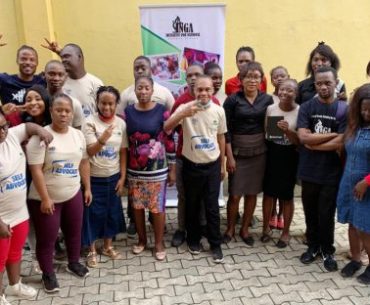
The European Union (EU), through the British Council and Agents for Citizens-driven Transformation (ACT), have trained 30 physically-challenged women in skill acquisition. The Executive…
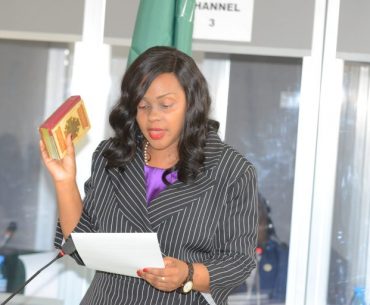
Human Rights lawyer Grace Wakio Kakai has been appointed the Deputy Registrar of the African Court on Human and People’s Rights in Kenya.
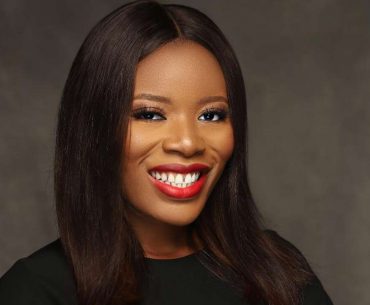
By Adedoyin Jaiyesimi Recently, something remarkable happened in my country. Nigerian track and field athlete Tobi Amusan set a world record at the World…
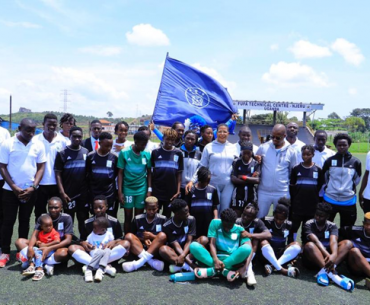
“Sports have the ability to drive gender equality by teaching women and girls teamwork, self-reliance, resilience and confidence to compete favourably with men, according…
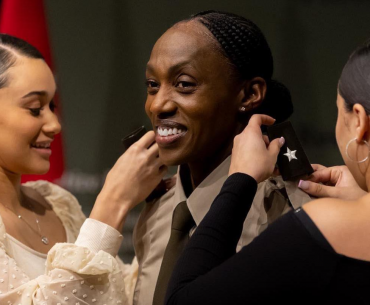
A Nigerian-born Amanda Azubuike, a senior officer in the United States Army, has been promoted to the rank of Brigadier General.

The Tanzanian Civil Society Organisations (CSOs) have urged the government to take immediate action to curb the rise of domestic violence and enact a…
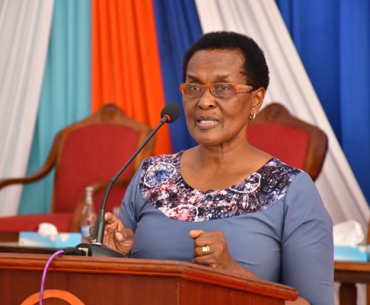
President William Ruto has confirmed the nomination of Ambassador Nancy Karigithu as the International Maritime Organisation Secretary General post.
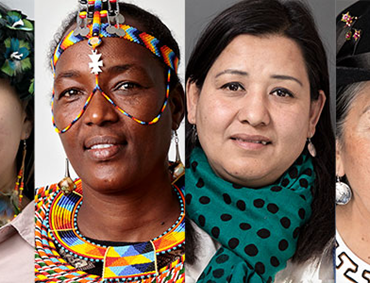
The UN Committee on the Elimination of Discrimination against Women (CEDAW) is currently reaching out to states to develop and implement comprehensive policies to…
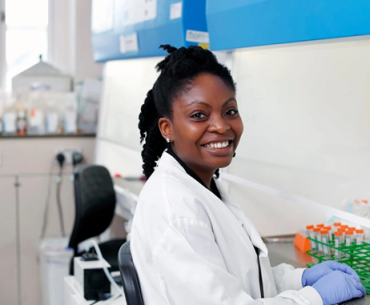
Educating a woman is one fact that can never be over-emphasised, and it is in this vein that the Faculty for the Future initiative…
