By Blossom Ukoha
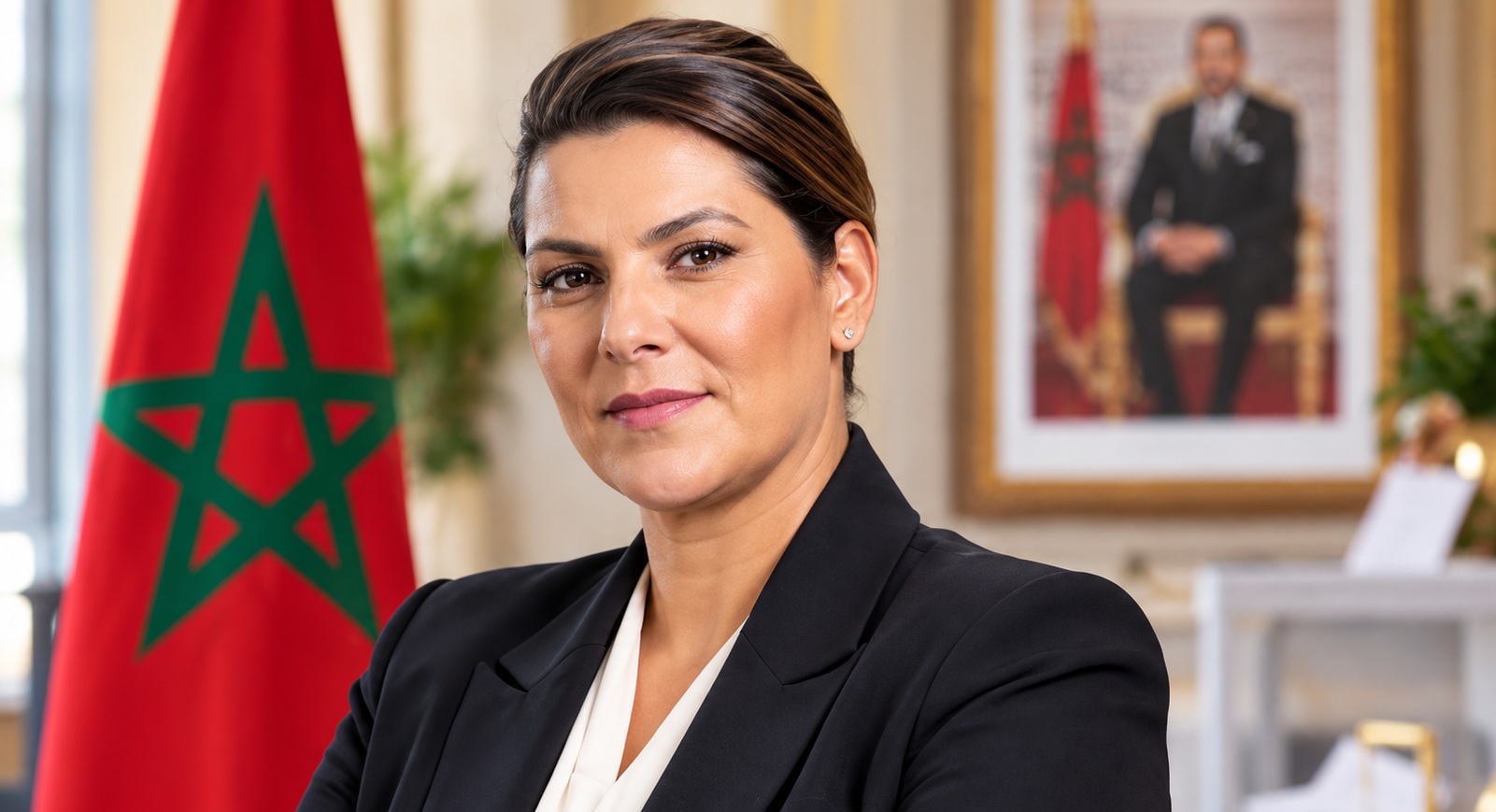
When Fatima Ezzahra El Mansouri was appointed Morocco’s Head of Government on 29 September 2026, history was made in a country where the highest levels of political leadership had long been occupied by men. At 50, the lawyer-turned-politician became the first woman to lead Morocco’s government after King Mohammed VI appointed her at the Royal Palace in Rabat and entrusted her with forming a new administration. Her appointment followed the electoral victory of the Authenticity and Modernity Party (PAM), which secured 97 of the 395 seats in the House of Representatives.
For El Mansouri, the moment represented more than a personal milestone. It placed a woman at the centre of national executive leadership and brought renewed attention to how women’s political representation can translate into decision-making power. Her journey from municipal government in Marrakech to the highest government office illustrates how experience, political organisation and sustained participation can create pathways into positions historically dominated by men.
From Law to Public Leadership
Born on 3 January 1976 in Marrakech, El Mansouri developed a professional foundation in law before entering politics. She studied private law at Mohammed V University in Rabat, pursued postgraduate studies in business contract law at the University of Montpellier in France and obtained a certificate in Anglo-Saxon business law from Pace University in New York.
She subsequently built a legal career specialising in property, land, real estate and commercial law, joining the Marrakech Bar in March 2005. Her professional background gave her experience in legal frameworks, contracts and the complexities of property and commercial affairs—areas closely connected to urban development and public administration.
Her political career began around 2007, and she became a founding member of the Authenticity and Modernity Party in 2008. The party provided the political platform through which she progressed from local government into parliamentary and ministerial responsibilities.
Breaking Barriers in Marrakech
In 2009, at just 33, El Mansouri became the first woman elected mayor of Marrakech. Her election challenged traditional expectations about who could lead one of Morocco’s most prominent cities, internationally recognised for its cultural heritage, tourism and economic activity.
She served as mayor until 2015 and returned to the position following her re-election in 2021. During her years in municipal leadership, she gained experience navigating urban priorities, public services and the demands of governing a major city. Her public profile also grew through her engagement with communities affected by Morocco’s devastating 2023 earthquake.
El Mansouri’s municipal experience matters because political leadership is not built solely through election victories or prominent appointments. Local government requires leaders to confront practical questions about housing, infrastructure, public services and citizens’ expectations. Her years in Marrakech gave her a platform to develop that experience before assuming national responsibilities.
From Parliament to the Cabinet
El Mansouri served in Morocco’s House of Representatives from 2011 to 2021, completing two parliamentary terms. Within PAM, she became president of the National Council in 2015 and later coordinated the party’s collective leadership, a role she assumed in 2024.
In 2021, she was appointed Minister of National Territory Planning, Urban Planning, Housing and City Policy in the government led by Aziz Akhannouch. Her responsibilities included urban development and housing policy, alongside the substantial reconstruction challenges that followed the 2023 earthquake.
These positions established a progression from municipal administration to national policymaking and party leadership. They also placed her in areas of government with direct consequences for economic development, living conditions and public investment.
Her appointment as Head of Government therefore followed years of political and administrative experience rather than a sudden emergence into public life.
The Election That Changed Morocco’s Political Landscape
Morocco’s legislative elections took place on 23 September 2026. PAM secured 97 seats, ahead of the National Rally of Independents, which won 66, and Istiqlal, which obtained 65. No party secured an absolute majority in the 395-seat House of Representatives. Voter turnout stood at approximately 38 per cent, raising questions about public participation and political confidence.
Under Article 47 of Morocco’s Constitution, the King appoints the Head of Government from the political party that wins the most seats in the House of Representatives. El Mansouri’s appointment followed that constitutional process.
However, leading the government will require coalition-building because PAM falls well short of the 198 seats needed for an absolute majority. Negotiations with other parties will shape the composition and priorities of the administration.
Beyond the Historic First
El Mansouri’s appointment comes with significant policy challenges. Morocco must respond to youth unemployment, cost-of-living pressures and public expectations around social programmes while preparing to co-host the 2030 FIFA World Cup with Spain and Portugal. The scale of infrastructure investment and the need for inclusive economic growth will test the new government’s ability to turn political commitments into measurable results.
Her appointment is also part of a wider conversation about women’s political leadership across the Arab world. She is widely described as the third woman to serve as a prime minister or head of government in the region, following Tunisia’s Najla Bouden and Sarra Zaafarani.
Yet the significance of El Mansouri’s rise should not rest on gender alone. It should also be assessed through the quality of governance, the effectiveness of public policy and the extent to which women gain meaningful authority in political institutions.
Call to Action: Let Her Journey Inspire the Next Generation
Fatima Ezzahra El Mansouri’s journey is a reminder to women and girls that leadership is not beyond their reach. Her progression from legal practice to municipal leadership, parliament, the cabinet and the highest office in government demonstrates the value of preparation, persistence, competence and the courage to pursue opportunities in spaces where women have historically been underrepresented.
To women aspiring to leadership in politics, business, public service and other fields, her story is an encouragement to develop their expertise, make their voices heard and prepare themselves for positions of responsibility. Do not allow traditional expectations or the absence of women in certain positions to determine the limits of your ambition. Seek opportunities to serve, build the knowledge your goals demand and support other women as they pursue their own paths to leadership.
Every woman who breaks a barrier can help another woman see a possibility she may never have imagined for herself.
Conclusion: A Historic Milestone for Morocco
Fatima Ezzahra El Mansouri’s appointment marks a defining moment in Morocco’s political history. From the mayor’s office in Marrakech to the national executive, her career demonstrates the importance of experience, institutional participation and sustained political advancement. Her greatest test now lies ahead: building a functioning government, responding to citizens’ concerns and translating historic representation into tangible public outcomes.
Amazons Watch Magazine warmly congratulates Fatima Ezzahra El Mansouri on her historic appointment as Morocco’s first female Head of Government. We recognise the significance of this milestone for women’s political representation and celebrate the possibilities her achievement opens for the next generation of women leaders. We wish her wisdom, strength and success as she undertakes the responsibility of leading Morocco’s government.
Her appointment is not only a personal achievement; it is a powerful reminder that women belong wherever decisions are made and the future is shaped. May her leadership contribute to a more inclusive political landscape in which women’s competence, vision and contributions are recognised at the highest levels of public life.





Comments are closed.