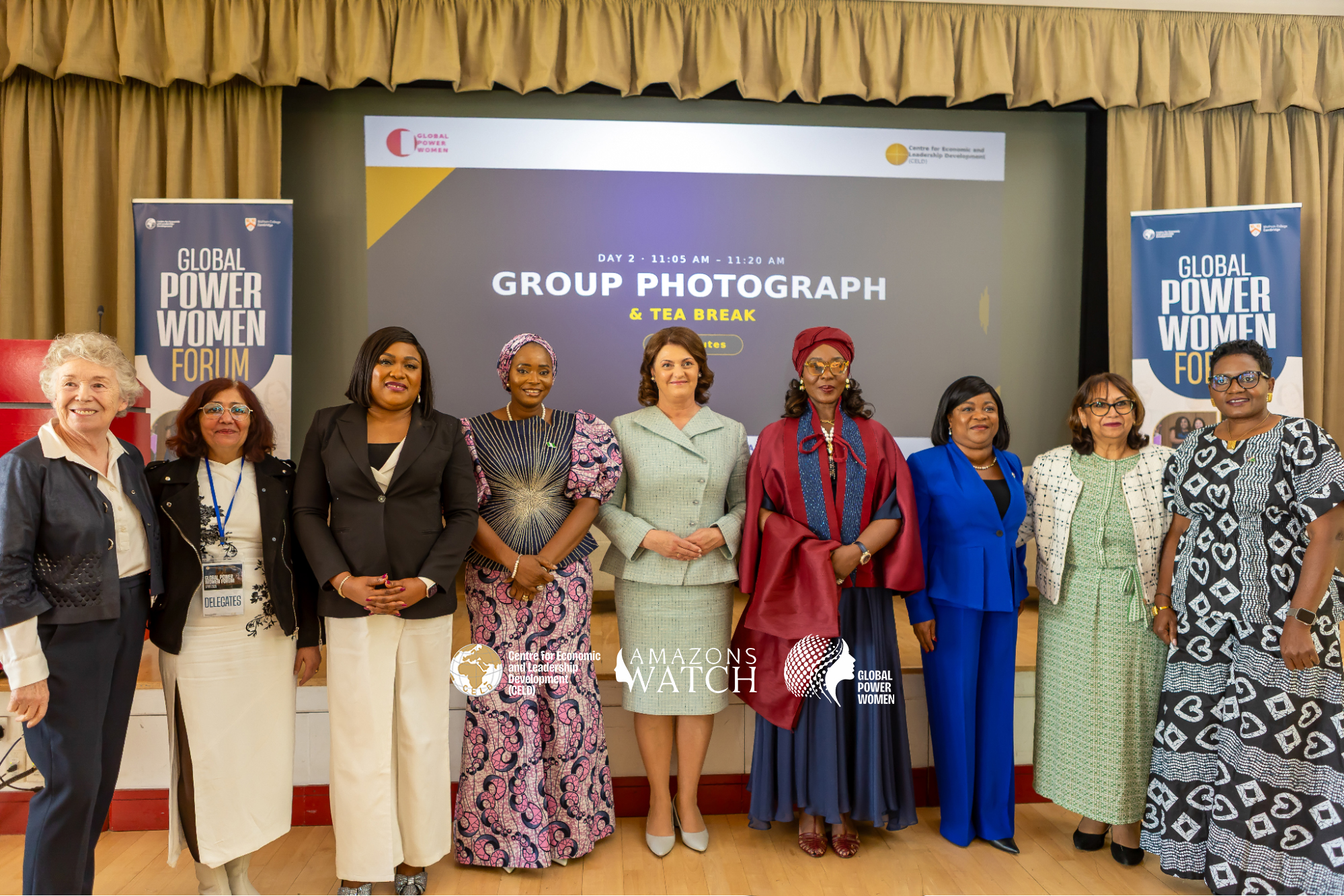
The Global Power Women Forum (GPWF) 2026 concluded successfully at Wolfson College, University of Cambridge, bringing together an exceptional gathering of global leaders, policymakers, diplomats, investors, academics, entrepreneurs, development practitioners, and changemakers committed to shaping a more inclusive and prosperous future.
Convened by the Centre for Economic & Leadership Development (CELD) in strategic collaboration with Wolfson College, University of Cambridge, this year’s Forum was held under the theme: “Women-Powered Economies: Capital, Trade & the Future of Economic Governance.”
More than a conference, GPWF 2026 served as a strategic platform for high-level dialogue, partnership-building, and action-oriented engagement focused on the role of women in designing, financing, governing, and sustaining the economies of the future.
The Forum welcomed an impressive delegation of global leaders and influencers, including Hon. Dr. Harini Amarasuriya, Prime Minister of Sri Lanka, represented by an official delegation; Her Excellency Diana Nausėdienė, First Lady of Lithuania; Her Excellency Ambassador Prof. Olufolake AbdulRazaq, First Lady of Kwara State, Nigeria, and Chairperson of the Nigeria Governors’ Spouses’ Forum (NGSF); Her Excellency Mrs. Sara Amani, Ambassador of the Republic of Côte d’Ivoire to the United Kingdom; Hon. Dr. Emma Kantema, Minister of Gender Equality and Child Welfare of the Republic of Namibia; Baroness Sandy Verma, Member of the United Kingdom House of Lords; and other distinguished leaders from government, diplomacy, academia, business, and international development.
The distinguished gathering also featured renowned experts and thought leaders, including Renuka Thakore, Founder and CEO of Global Sustainable Futures Network CIC; Professor Tolullah Oni, Clinical Professor of Global Public Health and Sustainable Urban Development at the University of Cambridge and Founder of UrbanBetter; Professor Ronita Bardhan, Professor of Sustainable Built Environment and Health at the University of Cambridge; Professor Fawzia Rasheed, Climate and Environment Lead and Honorary Professor of the Practice of Public Health at the London School of Hygiene & Tropical Medicine; Professor Elizabeth Garnsey, Professor of Innovation Studies; Tililenji Phiri, PhD Candidate in the Faculty of Education, University of Cambridge; Nanna Sylla-Coulibaly, Vice-President of Women Investment Club Côte d’Ivoire (WIC CI); Mrs. Oghogho Gwabin Musa of the Christopher Oghogho Foundation and Wife of the Minister of Defence, Nigeria; Rachel Blackburn MBE, Founder and CEO of US2U Consulting Ltd; and Joan Asante, Group Director of The Asante Group.
Women as Economic Architecture
In her opening address, Dr. Ibifuro Ken-Giami, Executive Director of CELD and Convener of the Forum, challenged participants to rethink conventional approaches to women’s leadership.
She emphasised that women must no longer be viewed merely as participants within economic systems but as architects of the systems themselves.
Drawing from the realities faced by women and girls across communities worldwide, she highlighted the interconnectedness of education, health, trade, infrastructure, enterprise, and access to capital, noting that when women are excluded from these systems, economies lose productivity, resilience, innovation, and growth potential.
“The future of economic governance cannot be designed without women at the centre of decision-making, investment, trade, and institutional leadership,” she stated.
Her remarks set the tone for a forum focused not on symbolism but on consequence—bringing together leaders from different sectors to identify practical pathways for collaboration, investment, and systemic transformation.
Day One: Building Relationships That Drive Results
The Forum commenced with an exclusive Private Networking Mixer and Partnerships Dinner, attended by senior government representatives, diplomatic missions, investors, business executives, academics, and development leaders.
The evening created a unique environment for meaningful conversations and strategic introductions, enabling participants to explore opportunities for collaboration across countries, sectors, and institutions.
Discussions centred on women-powered economies, investment readiness, institutional partnerships, and practical mechanisms for accelerating inclusive growth and sustainable development.
The networking dinner reinforced one of the Forum’s central objectives: creating relationships that extend beyond the event itself and evolve into tangible partnerships and measurable outcomes.
Day Two: Designing Systems for Growth, Stability, and Resilience
The Forum’s main programme opened with the plenary session, “Women, Power & the Architecture of Global Economies,” which explored how female leadership influences growth models, productivity, investment decisions, and national economic performance.
The distinguished line-up featured heads of government, First Ladies, ambassadors, ministers, academics, development experts, investors, and business leaders, including and other distinguished participants who shared insights on governance, economic recovery, digital transformation, human capital development, climate finance, education, trade, investment, and sustainable growth.
Throughout the day, speakers demonstrated how women’s leadership is increasingly shaping national resilience, economic competitiveness, and institutional effectiveness across diverse regions and sectors.
From Insight to Action
One of the Forum’s most impactful sessions was the Insight-to-Action Roundtable, which brought together policymakers, academics, investors, and development practitioners to explore how evidence can be translated into policy, investment decisions, and scalable implementation strategies.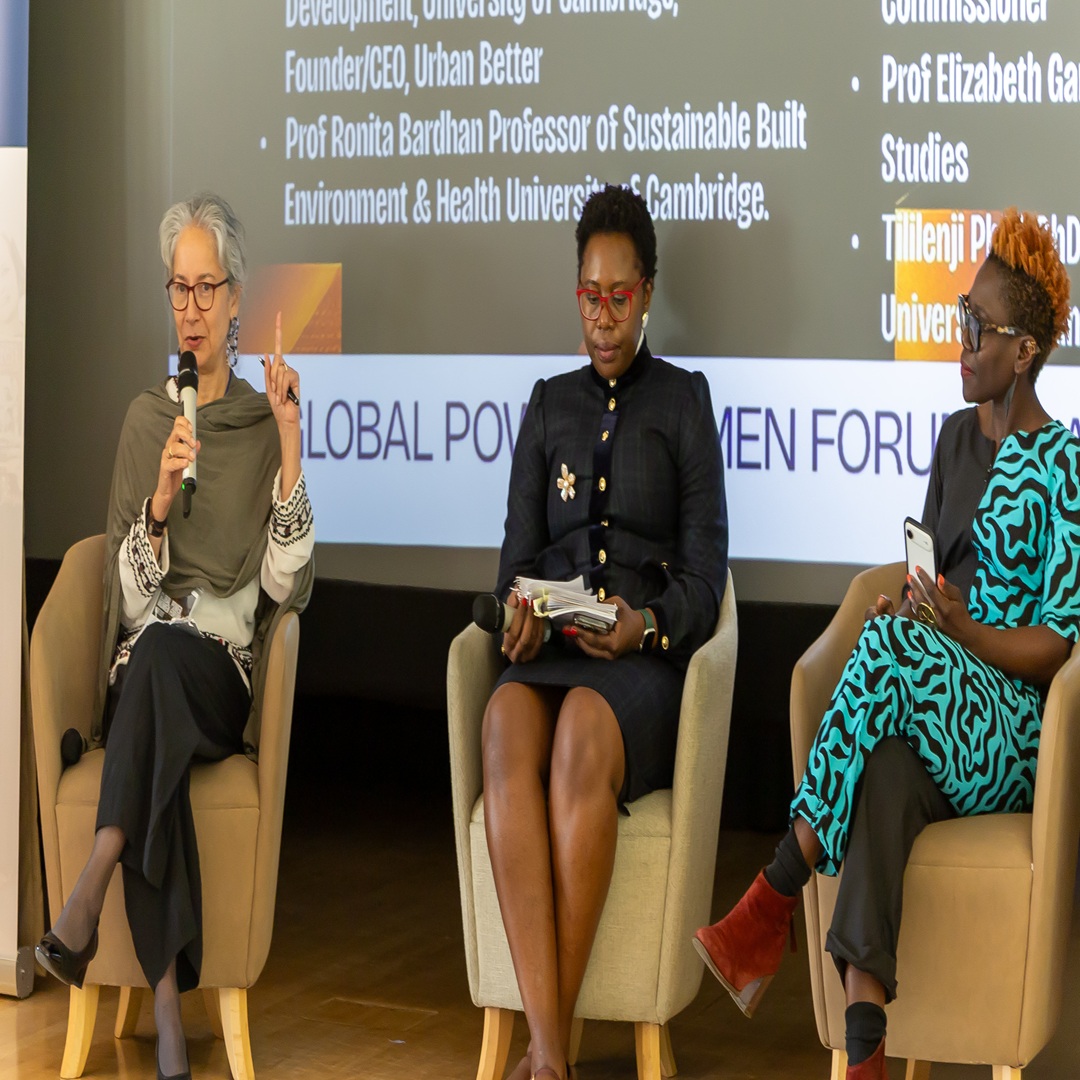
The discussions addressed critical questions surrounding capital allocation, climate resilience, education, health systems, innovation, urban development, and sustainable economic transformation.
The roundtable reflected the Forum’s commitment to moving beyond conversation and toward actionable frameworks capable of influencing policy and investment priorities.
Women-Powered Economies in Action
The afternoon National Showcase highlighted practical examples of women-led transformation from across Africa and beyond.
Speakers presented successful approaches to advancing gender-responsive policies, enterprise development, investment attraction, trade facilitation, community resilience, and economic inclusion.
Participants examined how women-led businesses and institutions are driving productivity, creating jobs, attracting investment, and contributing to national development strategies.
The subsequent Market Access, Trade & Capital Pathways session focused on export readiness, international partnerships, commercial sustainability, compliance frameworks, and strategies for expanding access to global markets.
Together, these sessions demonstrated that women-powered economies are not merely aspirational concepts; they are already delivering measurable results across industries and regions.
Celebrating Impact and Legacy
The Forum concluded with the prestigious Global Power Impact & Legacy Honours, recognising outstanding leaders and institutions whose contributions have driven meaningful change and transformational outcomes.
The honours celebrate individuals whose leadership has transcended personal achievement to create lasting impact within communities, organisations, and nations.
The ceremony served as a powerful reminder that sustainable progress is built not only through vision, but through commitment, collaboration, and measurable action.
Looking Ahead
As delegates departed Cambridge, the prevailing sentiment was clear: the conversations initiated at GPWF 2026 must continue.
The Forum reaffirmed that the future of economic governance requires new partnerships, new investment models, and new approaches that place women at the centre of economic design rather than at its margins.
From government and business to academia and civil society, participants left with a shared commitment to advancing policies, investments, and collaborations capable of unlocking the full potential of women-powered economies.
GPWF 2026 may have concluded, but the work of building more inclusive, resilient, and prosperous economies has only just begun.
About GPWF
The Global Power Women Forum (GPWF) is a premier international platform that convenes influential leaders, policymakers, investors, academics, entrepreneurs, and development practitioners to advance women’s leadership, economic participation, investment opportunities, and institutional transformation across nations.




Comments are closed.