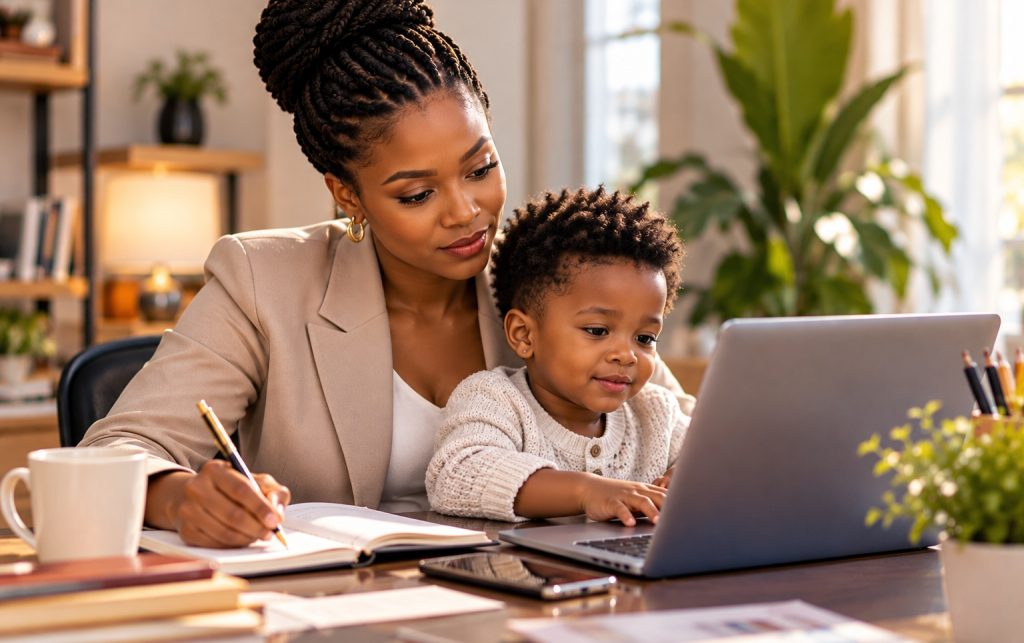
By Blossom Ukoha According to the International Labour Organization (ILO), women perform 76.2 per cent of unpaid care work globally and spend 3.2 times as much time on it as men. This unequal burden has significant consequences for women’s economic participation, earnings and career progression. While women’s economic empowerment is often discussed in terms of education, employment opportunities, entrepreneurship and access to finance, childcare remains a critical part of the equation. Without reliable, affordable care, many women struggle to enter the workforce, sustain businesses, pursue promotions or earn incomes that reflect their abilities. The Invisible Cost of Unpaid Care The scale of the challenge is substantial. The ILO estimated in 2024 that approximately 708 million women worldwide were outside the labour force because of unpaid care responsibilities, compared with around 40 million men. These figures reveal a structural problem: women’s time is essential to families and communities, yet much of…
Raising Emotionally Resilient Children: What Parents Can Do Every Day
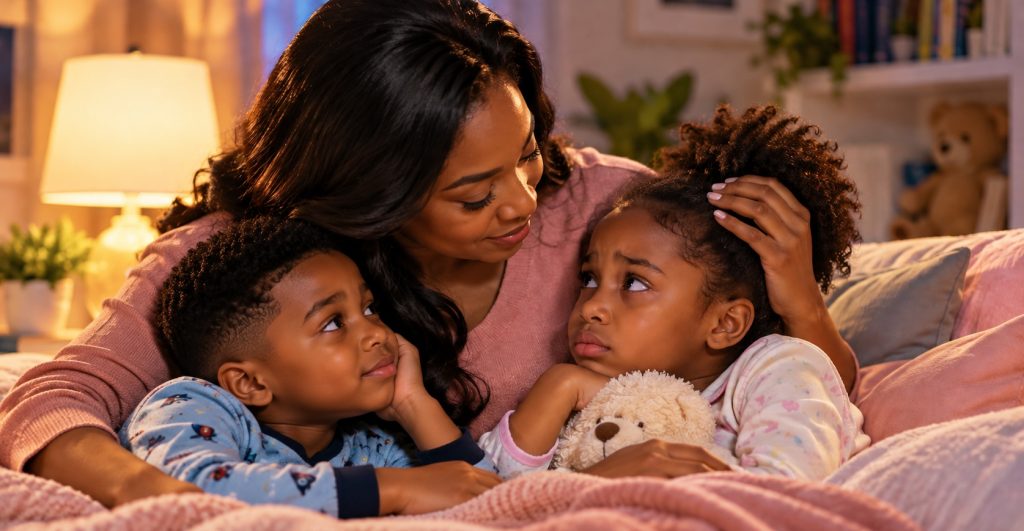
It is bedtime, but your child is still awake. Tomorrow is the school presentation, and the anxiety that has been building all week has finally surfaced. “I don’t think I can do it,” the child says, fighting back tears. A parent could quickly respond, “Of course you can. Don’t worry. You’ll be fine.” But another response may be more powerful: “I can see that you are worried. Tell me what is making you nervous.” That small difference matters. Instead of immediately trying to remove the child’s discomfort, the parent creates space for the child to recognise, express and work through it. In moments like this, resilience is being built not through a major intervention, but through an ordinary conversation. Emotional resilience does not mean that children never feel afraid, disappointed, angry or overwhelmed. It means developing the ability to recognise difficult emotions, seek support, regulate responses and recover from challenges. The…
How Easy Is It to Balance Motherhood, Business and Global Influence?
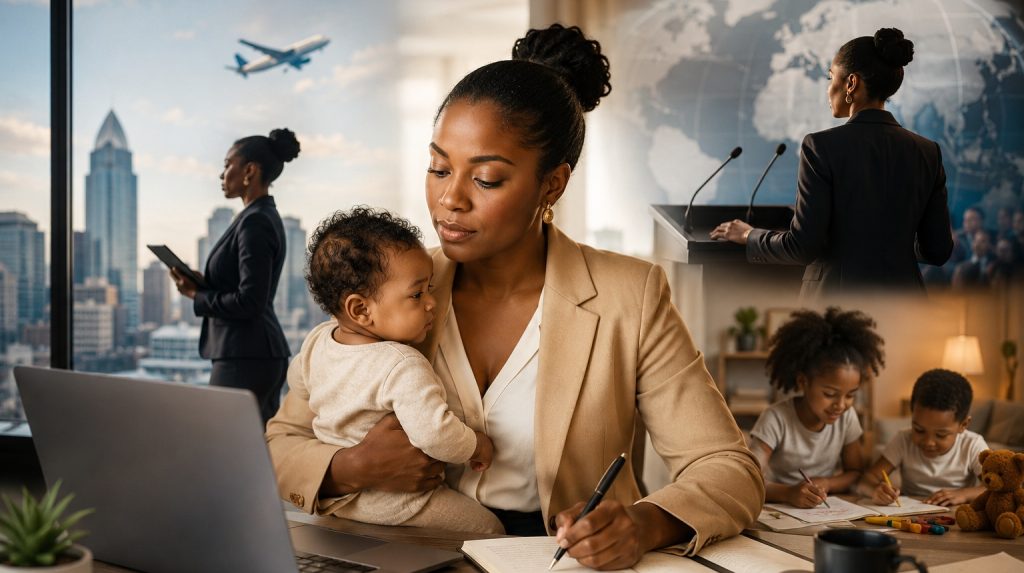
By Laura Jones At 6:00 a.m., the day has already begun. A child needs breakfast, a school bag needs finding, a message from a business partner in another time zone is waiting for a response, and a meeting is already on the calendar. Before she has walked into the office, a woman may have already been a mother, caregiver, strategist, employer and decision maker. Then the world expects her to enter the boardroom and perform as though none of that exists. This is the part of women’s leadership we do not always see. We see the companies, awards, investments, international appointments and photographs from global stages. We celebrate women for what they have built but rarely see the daily negotiation between ambition and responsibility that makes much of that success possible. So, how easy is it to balance motherhood, business and global influence? The honest answer is that it is not…
Top 8 Reasons Why Your Child Should Learn AI Before They Turn 13
By Blossom Ukoha “The best way to predict the future is to create it.” — Alan Kay, Computer Scientist Every generation has a defining skill that determines who thrives and who struggles. For our grandparents, literacy unlocked opportunity. For our parents, computer literacy transformed careers. Today, the defining skill is artificial intelligence (AI). AI is no longer a technology reserved for scientists or software engineers. It is rapidly becoming part of everyday life, influencing how we learn, work, communicate, shop, and solve problems. Whether we realise it or not, our children are already interacting with AI through search engines, smartphones, educational apps, voice assistants, social media algorithms, and online learning platforms. The question is no longer whether children should be exposed to AI. They already are. The real question is whether they will become creators of AI-powered solutions or merely consumers of AI-generated content. Research increasingly shows that introducing AI…
Can the World End Obstetric Fistula and Restore Dignity for Women?
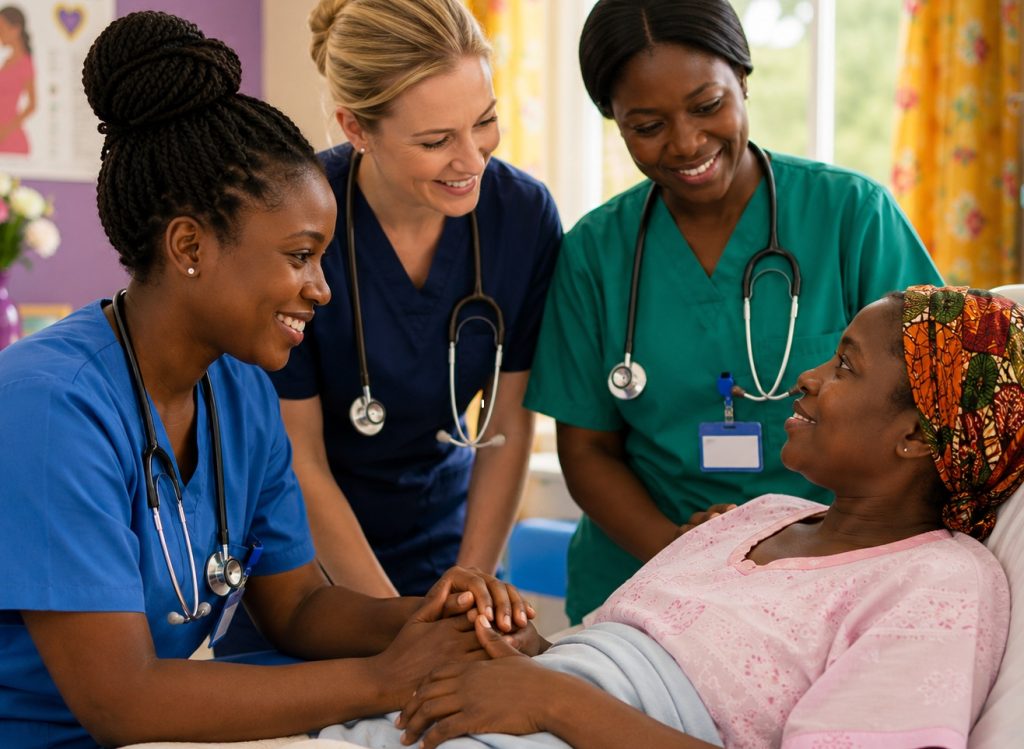
By Staff Writer Thoraya Ahmed Obaid, former Executive Director of the United Nations Population Fund (UNFPA), once made a powerful statement while advocating for maternal health and safe childbirth: “No woman should die while giving life.” Yet for hundreds of thousands of women around the world, surviving childbirth can still come at a devastating cost. Every year, women and girls emerge from prolonged, obstructed labour with a preventable injury that leaves them incontinent, isolated, and stripped of their dignity. This condition, obstetric fistula, remains one of the clearest indicators of inequality in women’s healthcare and one of the most urgent maternal health challenges of our time. For many women, childbirth is expected to be a moment of celebration, the beginning of a new chapter filled with hope and promise. Instead, for those affected by obstetric fistula, it can become the beginning of years of physical suffering, social exclusion, and…
Super Moms: Balancing Boardrooms and Bedtime Stories
At 7:30 a.m., Jennifer Locus is on her laptop, leading a video call with colleagues across three continents. By 8:00 a.m., she’s negotiating with her four-year-old about wearing socks to school. At noon, she’s presenting quarterly results to her company’s board. By 8:30 p.m., she’s curled up on the edge of her child’s bed, whispering the last line of The Very Hungry Caterpillar. This is not multitasking. This is modern motherhood. And it is nothing short of superhuman. The Quiet Revolution in Leadership The last decade has seen a quiet revolution. Across boardrooms, parliaments, and startups, mothers are no longer stepping back from leadership; they are stepping right into it. The numbers tell a story. As of 2025, women now hold 30.4% of board seats in U.S. public companies, up from 15% just a decade ago. However, only 7.7% are women of color, revealing the significant amount of work that…
“Empowering Parenthood: Navigating the Multifaceted World of Raising Daughters”
By Blossom Ukoha
“Words are not enough to express the unconditional love that exists between a parent and a daughter”.
– Caitlin Houston
A 2019 research published in the National Library of Medicine (NLH) states that among the many relationships that influence children’s growth and development, the most influential is the one between parent and child. This is because they are often built on safety, unconditional love, mutual respect, acceptance, and flexibility.