
By Blossom Ukoha
“I was just a child and suddenly got married. Before I had time to recover from the shock, I got pregnant.”
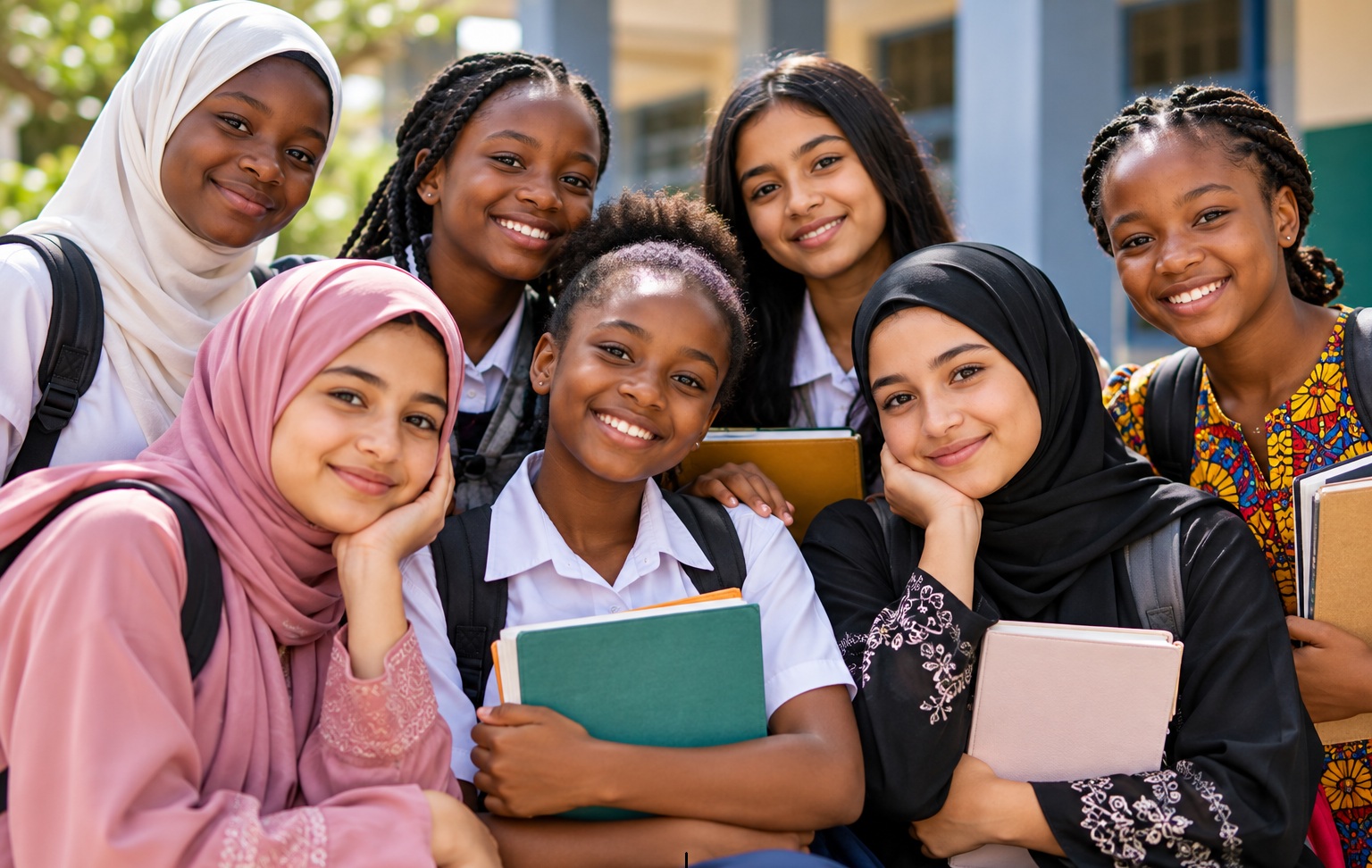
Salma, a girl from Yemen, was just 15 when she was forced into marriage, an experience that interrupted her childhood and exposed her to gender-based violence. Yet her story did not end there. She returned to school and is pursuing her dream of becoming a doctor. Her journey reflects the reality faced by millions of girls whose education, safety and aspirations are threatened by child marriage.
On 11 October 2026, the International Day of the Girl Child is observed under the theme “End child marriage and invest in girls’ rights!” The message is clear: every girl deserves the freedom to learn, grow, make decisions about her life and shape her future.
A Global Crisis That Cannot Be Ignored
Established by the United Nations General Assembly in 2011, the International Day of the Girl Child was first observed in 2012 to promote girls’ rights, empowerment and leadership.
Today, more than 12 million girls are married before the age of 18 each year—approximately one every three seconds. Around one in five girls worldwide experiences child marriage, while an estimated 650 million women and girls alive today were married during childhood. Sub-Saharan Africa has the highest regional prevalence, at approximately 31 per cent.
These numbers represent girls whose education, health, safety and independence may be compromised before adulthood. Child marriage can expose them to early pregnancy, violence, interrupted education and limited economic opportunities, with consequences that may continue throughout their lives.
Education: A Powerful Protection Against Child Marriage
Education offers girls knowledge, confidence and opportunities to build independent futures. Yet approximately 122–133 million girls worldwide remain out of school, while almost four in ten adolescent girls and young women do not complete upper secondary education.
Poverty, conflict, early pregnancy, inadequate school facilities and discriminatory social expectations continue to prevent many girls from learning. In some communities, financial pressures lead families to prioritise early marriage over education.
Governments must make schools accessible and safe, support vulnerable families and ensure that girls can continue their education. Salma’s return to school demonstrates why these opportunities matter. Every girl deserves the chance to pursue her ambitions without first experiencing the loss of her childhood.
Beyond Marriage: Protecting Girls’ Rights and Safety
Ending child marriage must accompany broader efforts to protect girls from violence and discrimination. Nearly one in four ever-married or partnered adolescent girls aged 15–19 has experienced intimate partner violence.
Effective laws, accessible healthcare, protection services and support for survivors are essential. Families, community leaders and institutions must also challenge harmful beliefs that excuse violence or deny girls a voice in decisions affecting their lives.
Girls should participate in shaping the policies and programmes designed to protect them. Their experiences and perspectives are essential to building solutions that respect their dignity, rights and aspirations.
Investing in Girls Is Investing in Society
The 2026 theme calls for practical investment in girls’ education, healthcare, safety, economic opportunities and leadership.
Progress is possible. Investments in education, legal reform and social protection have helped avert an estimated 68 million child marriages over the past 25 years. This demonstrates that sustained action can change outcomes for girls.
Educated and healthy girls are better positioned to contribute to their families, communities and economies. They can become entrepreneurs, educators, scientists and leaders, helping advance gender equality, reduce poverty and strengthen communities.
Investing in girls is therefore not simply a matter of protecting childhood. It is an investment in women’s future participation in economic, social and political life.
A Call to Action: Give Every Girl the Freedom to Choose
Governments must strengthen and enforce laws against child marriage while investing in education, healthcare and protection services. Schools and community organisations should identify girls at risk of dropping out, and families need support to overcome the economic pressures that can contribute to early marriage.
Parents and communities must listen to girls, respect their ambitions and involve them in decisions about their futures. Development partners, businesses and civil society organisations must also support programmes that expand girls’ opportunities and leadership.
Every girl deserves to have her voice heard, her rights protected and her dreams taken seriously.
Conclusion
Salma’s journey from forced marriage at 15 to returning to school and pursuing medicine demonstrates that a girl’s future can be interrupted without being beyond recovery. Yet no girl should have to endure such harm before receiving the opportunity to fulfil her potential.
The International Day of the Girl Child 2026 calls for a world where girls can grow up safely, receive an education and make informed choices about their lives. Ending child marriage and investing in girls’ rights are essential to achieving that future.
Every girl deserves more than protection from a stolen childhood. She deserves the freedom, resources and opportunity to build the future she chooses.





Comments are closed.