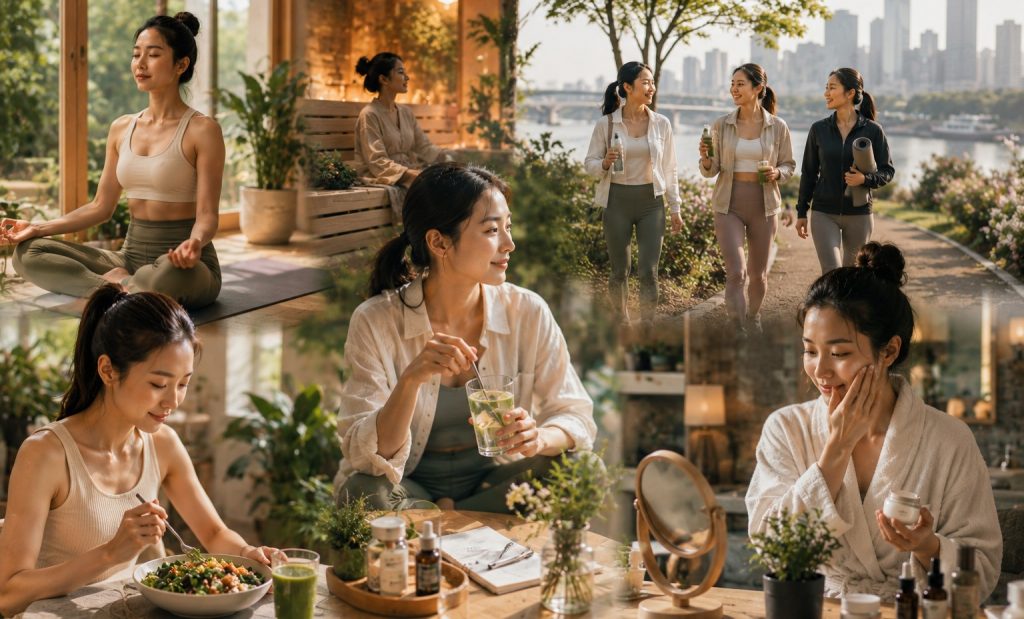
By Janet Coin On a weekday morning in Seoul, a young professional finishes a Pilates session before heading to work. Later that evening, she stops at a wellness store for a functional drink and a product designed around a specific health need. Before bed, she sets aside her phone and prepares for sleep. None of these actions feels unusual. They are simply part of her routine. This is the changing face of wellness in South Korea. The country that introduced the world to K-beauty is moving beyond skincare and cosmetics towards a broader culture of wellbeing. Beauty remains important, but it increasingly sits alongside nutrition, fitness, mental health, sleep, preventive care and recovery. For Korean women, particularly younger women and working professionals, wellness is becoming less about occasional pampering and more about maintaining the whole self. From K-Beauty to K-Wellness South Korea’s global beauty influence has long been associated with…
From Marrakech to Modern Homes: The Moroccan Design Elements Taking Over Interiors
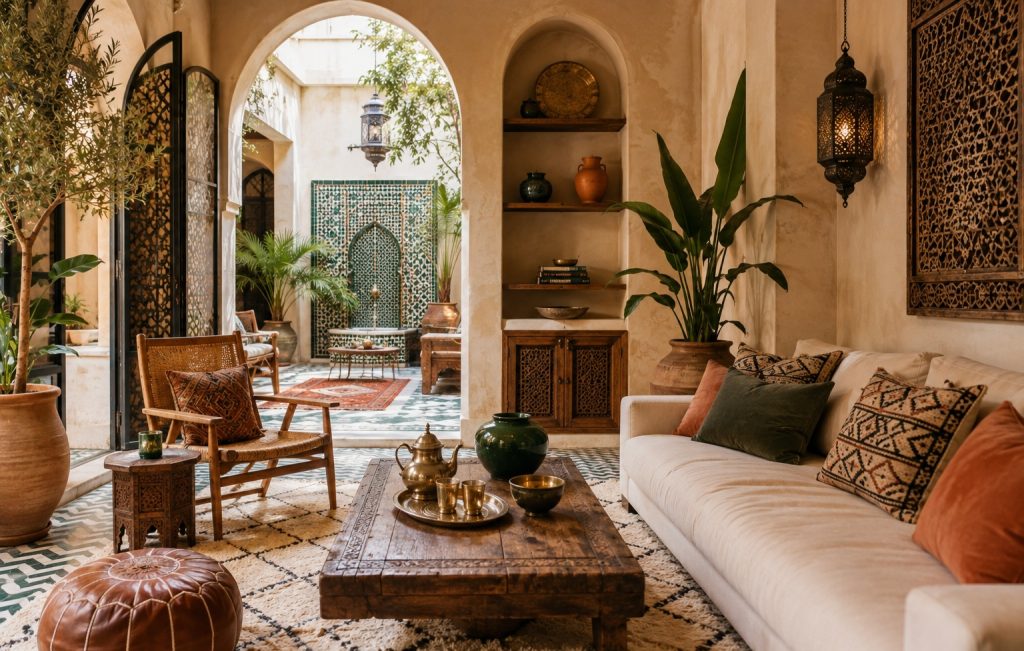
Laura Jones Step into a traditional riad in Marrakech and the first thing you notice is not how much furniture fills the space, but how effortlessly everything feels connected. Sunlight filters through an arched doorway, patterned tiles catch the light, a brass lantern creates a warm glow, and handmade textiles bring softness to the room. Nothing feels rushed or overly polished. The beauty comes from the balance between craftsmanship, texture, colour and simplicity. That distinctive atmosphere is increasingly finding its way into modern homes around the world. Moroccan design, rooted in centuries of craftsmanship and cultural exchange, is being reinterpreted for contemporary interiors that value warmth, character and authenticity. Why Moroccan Design Remains Timeless Moroccan interiors have never depended on passing trends. Their appeal comes from traditional materials, handmade details and a strong relationship between architecture and everyday living. From Marrakech riads to homes in Casablanca and Fez, Moroccan design…
Why Smart Women Still Struggle With Impostor Syndrome
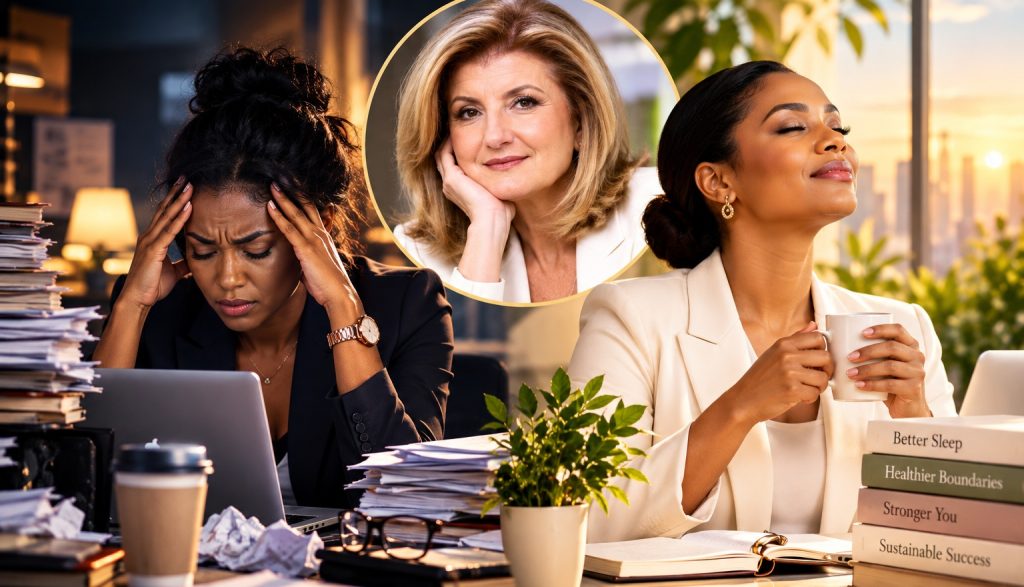
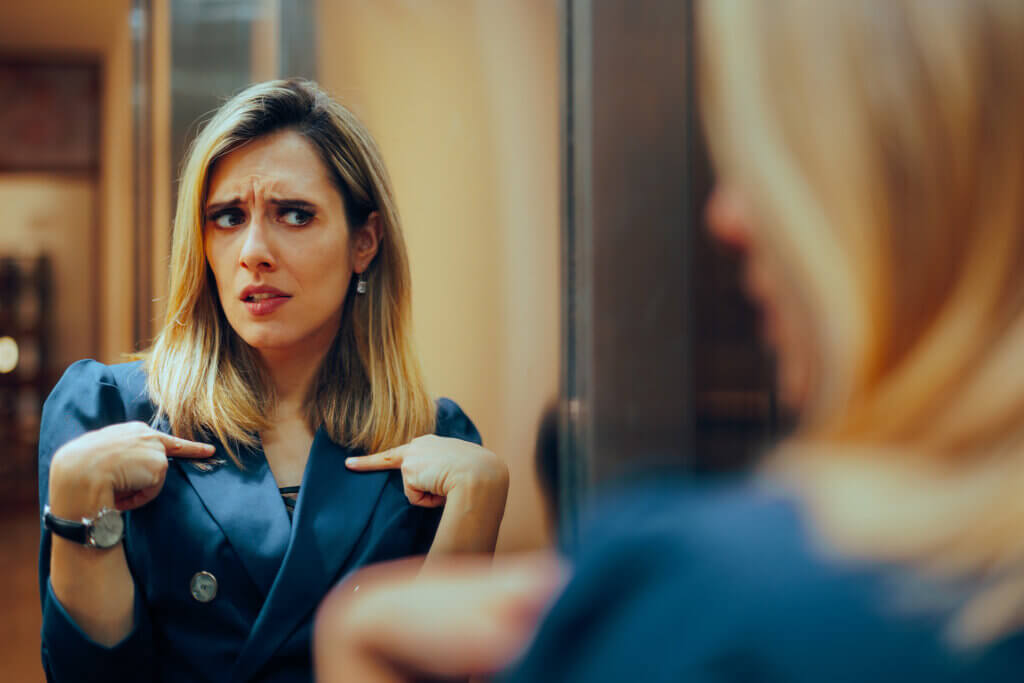
By Janet Coin Seven in 10 women have experienced impostor syndrome at some point in their careers, compared with 58% of men, according to a 2025 Hays survey of more than 8,000 professionals. Even more striking, 47% of women said these feelings had become more frequent as they progressed in their careers. That statistic tells a story that many successful women will recognise. You can have the qualifications, the experience, the promotion, the successful company and the recognition, yet still wonder whether you genuinely deserve your place. From the outside, you may look confident and accomplished. Internally, however, you may be questioning whether your success came from ability or simply from luck, timing or circumstances. This is the paradox of impostor syndrome. It does not necessarily affect women because they lack competence. In many cases, it appears precisely among women who have substantial evidence of achievement. When Success Still Does…
Revealed! Holiday Glow Beauty Rituals Celebrated by Women around the World
As the year gently bows toward its close and cities sparkle with fairy lights, candlelit windows, and familiar carols, the festive season arrives as more than a calendar moment, it becomes a feeling. A feeling of reflection, reunion, gratitude, and renewal. Across cultures and continents, women mark this season not only with celebrations and gifts, but with intentional beauty rituals that honor the body, calm the spirit, and reconnect them to heritage and self-worth. From snow-dusted capitals to sun-warmed coastlines, empowered women around the world share cherished holiday beauty traditions, rituals passed down through generations or lovingly reimagined, reminding us that beauty, especially during the holidays, is as much about presence as it is about appearance. Nigeria — Radiance with Shea & Hibiscus In Nigeria, particularly in Abuja, Lagos and major cities, the festive season is alive with color, music, and laughter. Women prepare for long days of celebration by…
World Diabetes Day 2025: Women and Diabetes — A Global Call to Care, Prevent, and Empower
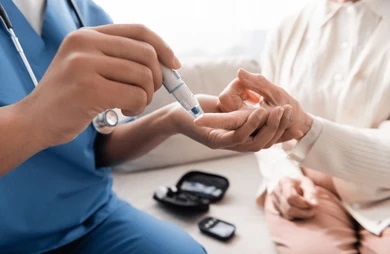
By Blossom Ukoha “Globally, women with diabetes have a right to a healthy future and to equitable access to diabetes medicines, technologies and self‑management education.” — World Health Organization (WHO) On World Diabetes Day 2025, as the world marks the theme “Diabetes Across Life Stages,” attention turns to the unique challenges faced by women living with diabetes. As the World Health Organization reminds us, “women with diabetes have a right to a healthy future and to equitable access to diabetes medicines, technologies and self‑management education,” this day underscores the urgent need to ensure that every girl and woman, from adolescence through reproductive years and into older adulthood, has the tools, knowledge, and support to prevent, manage, and thrive despite diabetes. Recognizing these gender-specific barriers is critical not only for individual health but for empowering women, protecting maternal and child well-being, and strengthening families and communities globally. The Rising Global Burden…
World Patient Safety Day: Celebrating Women Nurses and Midwives as Frontline Guardians of Safety
I remember sitting in the dimly lit recovery ward of the hospital, clutching my friend’s hand. She had given birth just hours earlier, but something was “off”; her heartbeat fluttered, she was dizzy, pale. The midwife seemed overworked, rushing through checks; the doctor delayed. By morning, my friend was slipping into hemorrhagic shock, having lost too much blood. Against the odds, she survived, but only because one nurse, refusing to look away, insisted the drip be replaced and a specialist called. That moment toggled between life and death, and it showed me how fragile “safe care” really is, especially for women. That story isn’t unique. All around the world, women face uneven odds in hospitals and clinics, simply because systems designed to protect all still leave too many exposed. On World Patient Safety Day 2025, we shine a light on those gaps, celebrate those who fight as’ guardians of patient…
The Exercise Factor in Decreasing the Risks of Age-Related Diseases (ARDs) in Menopausal Women
By Victory Enokela
Medical professionals have long established the relationship between age, bodily stamina and quality of health. However, an inverse relationship between age and health exists, such that as one grows older, there is a decrease in the body’s ability to resist disease and infections. Ordinarily, this manifests itself as Age-Related Diseases (ARDs), with effects that usually vary from person to person and largely depend on prevalent lifestyle habits. Just as we refer to age in numbers, the body also goes through an aging process called cellular aging. Cellular aging is a genetically predetermined process that occurs naturally. The fundamental building blocks of the body are cells. Your cells have the ability to divide, grow, and carry out fundamental biochemical mechanisms. The more cells divide, the older they get. In turn, cells eventually weaken and lose their ability to function properly. As cells age, cellular damage also increases. Thus, the cell becomes less healthy, leading to the failure of the biological processes.