

By Blossom Ukoha
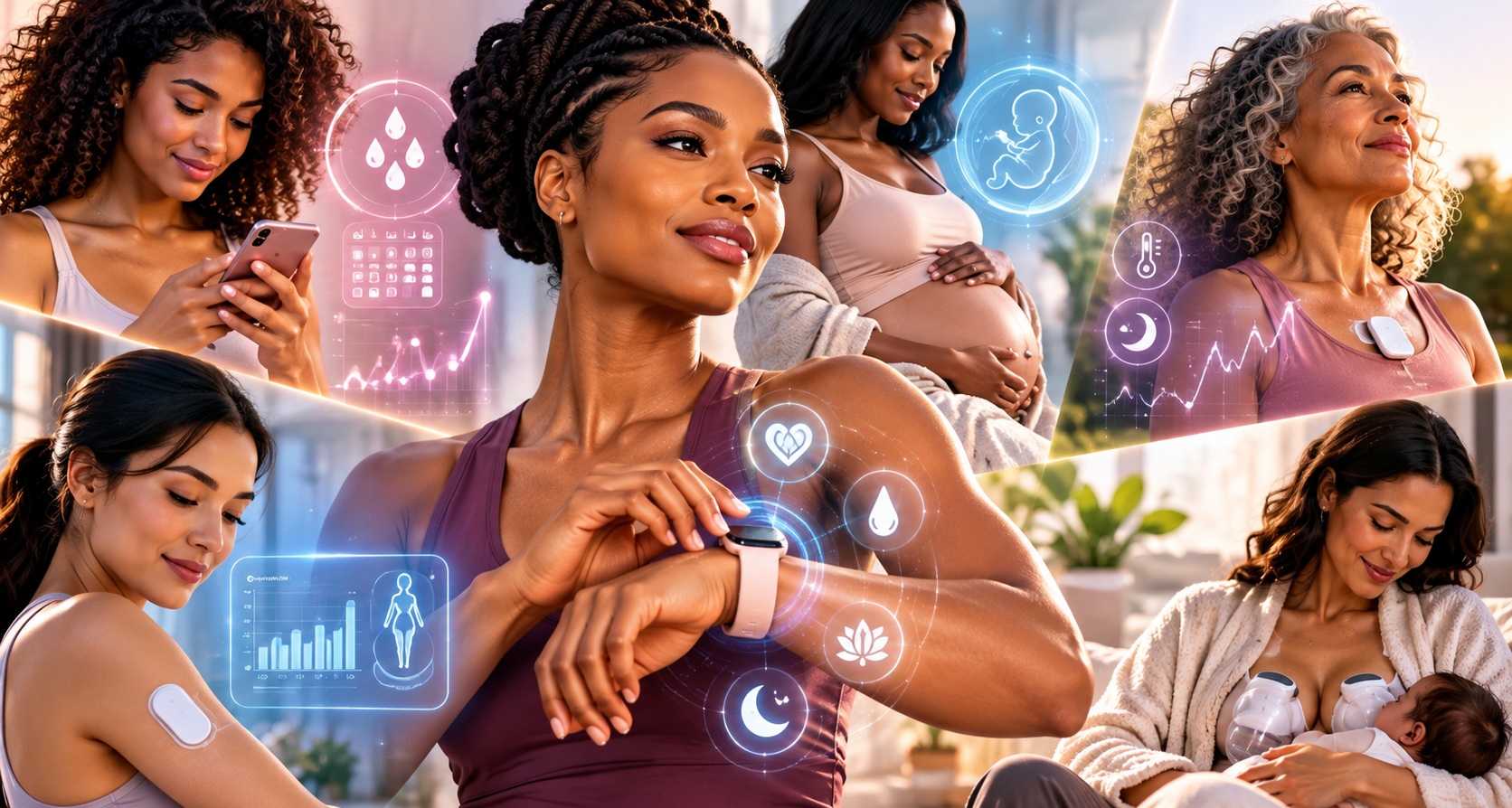
For generations, women have navigated health concerns that were often under-researched or diagnosed only after symptoms became difficult to ignore. From menstrual irregularities and hormonal changes to pregnancy complications and menopause, many aspects of female physiology have received insufficient attention in mainstream medical technology. Today, women innovators are addressing these gaps by developing devices and digital platforms that make everyday health monitoring more accessible, personalised and responsive to women’s needs.
These innovations are changing how women collect health information, recognise physiological patterns and communicate with healthcare professionals. Instead of relying exclusively on occasional appointments or one-off tests, emerging technologies are exploring continuous monitoring to help women better understand their bodies and make informed health decisions.
The Growing Market for Women’s Health Technology
The expansion of femtech, the technology sector addressing women’s health needs, reflects growing recognition of unmet healthcare needs and commercial opportunities. Market estimates vary according to the products and services included, but several industry forecasts place women’s health technology in the tens of billions of dollars, with further growth expected towards 2030.
According to Rock Health’s analysis of US digital health funding, women’s health startups raised approximately $4.4 billion between 2020 and 2024, including $671 million in 2024, representing about 6.6 per cent of US digital health venture funding that year.
Despite this progress, investment remains uneven. Some analyses have estimated that only around 4 per cent of healthcare research and development funding has historically been directed towards women’s health conditions beyond oncology, although estimates vary by methodology.
This imbalance has consequences for product development. Women represent approximately half the global population, yet health technologies have not always adequately accounted for female physiology, hormonal fluctuations and differences in symptoms across life stages. Women innovators are helping address these gaps by placing women’s experiences at the centre of design.
Monitoring Hormones Beyond the Clinic
Hormones influence menstrual cycles, fertility, sleep and other aspects of health. Understanding hormonal patterns, however, often requires repeated tests, symptom tracking or clinical assessments.
Jenny Duan, associated with Clair Health, has worked on a wrist-worn concept designed to explore non-invasive monitoring of reproductive hormones using multiple biosensors. The goal is to observe hormonal patterns without relying exclusively on repeated blood or urine samples.

At UCLA, researcher Anne Andrews has explored sweat-based wearable sensors intended to monitor hormones over time. Such technology could eventually help researchers identify patterns associated with conditions such as polycystic ovary syndrome (PCOS), which affects reproductive and metabolic health and can be diagnosed late.
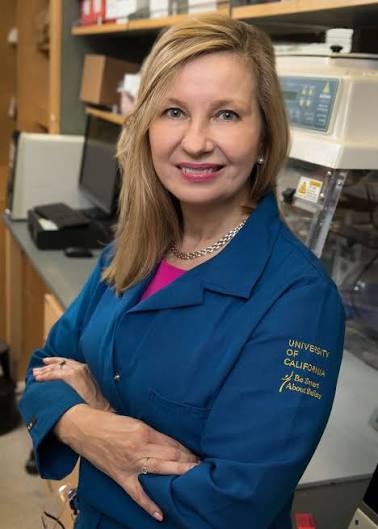
Andrews has highlighted the potential of continuous monitoring, including the possibility of detecting physiological patterns associated with PCOS. However, these technologies remain an evolving field, and their accuracy and clinical usefulness must be established through rigorous validation. Monitoring data alone cannot confirm a diagnosis.
Making Perimenopause More Visible
Perimenopause can cause hot flashes, night sweats, sleep disruption and mood changes. Because symptoms vary and may occur intermittently, women can struggle to communicate their frequency and severity during medical appointments.
Heidi Davis, co-founder of IdentifyHer, associated with the Peri wearable concept, has described developing a torso-worn device designed to capture physiological patterns linked to perimenopausal symptoms.
“We will keep the specific sensors confidential until we open pre-orders… Our breakthrough lies in the digital fingerprints we have identified through three years of R&D, collecting sensor data from women experiencing perimenopause.”
Heidi Davis, co-founder & CEO of PERI (originally known as identifyHer)
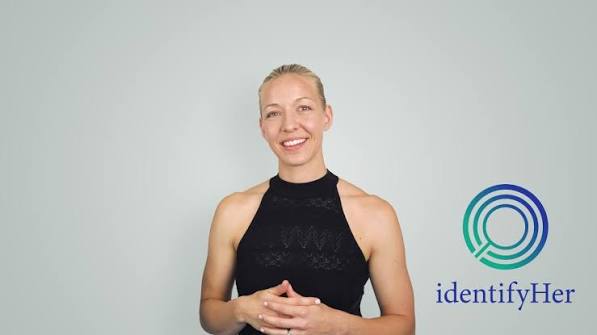
Her work reflects an important principle: technologies designed around the characteristics and locations of women’s symptoms may provide more relevant information than devices developed without sufficient consideration of female physiology. Independent studies will be necessary to establish their accuracy and effectiveness.
Rethinking Menstrual and Reproductive Health
Ida Tin, founder of Clue, helped popularise the term femtech and brought menstrual and fertility tracking into mainstream digital health conversations.
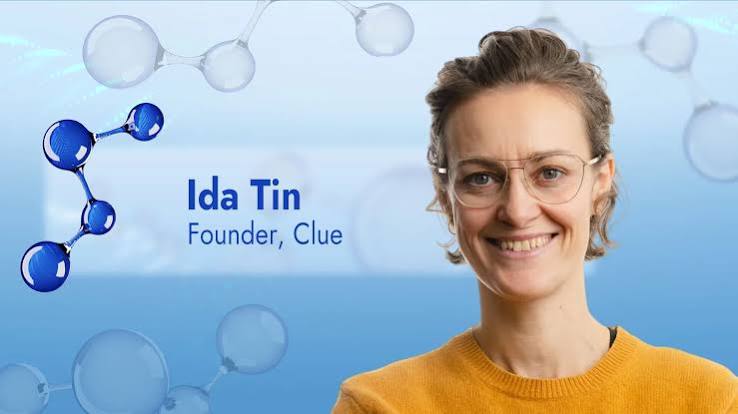
Explaining her motivation, Tin said: “I thought, ‘What if I could take out my phone and it would just tell me: Today, you can’t become pregnant?”
Her vision helped popularise digital cycle tracking, enabling users to record menstrual information and identify patterns. However, period-tracking applications cannot guarantee whether someone will become pregnant on a particular day. Predictions are estimates, and fertility-awareness methods require an understanding of their limitations.
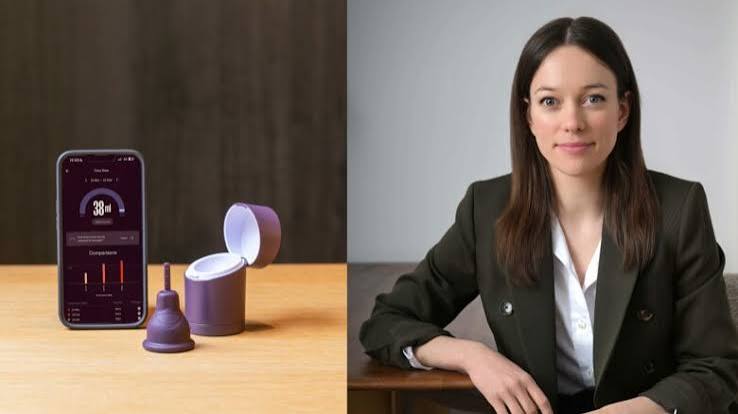
Another innovation is Jenny Button’s Emm smart menstrual cup concept, designed to measure menstrual flow volume and rate through embedded sensors. Other emerging solutions are exploring menstrual-fluid analysis and cycle-aware wearables. Their capabilities and clinical readiness differ, but they share an ambition to make menstrual health easier to understand and discuss with healthcare professionals.
From Pregnancy Monitoring to Everyday Wellness
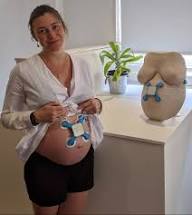
Pregnancy and maternal health offer further opportunities for innovation. Remote monitoring technologies are being developed to help healthcare professionals observe maternal and fetal indicators, identify potential complications and support women who cannot easily attend frequent appointments.
Dr. Sarah McDonald, who has discussed developing pregnancy and labour monitoring technology following her own experiences, explained her motivation: “I started this journey to ensure no woman goes through what I did.”
Tania Boler, founder of Elvie, has also helped expand technology addressing breastfeeding and pelvic-floor health. Elvie’s wearable breast pumps and pelvic-floor training devices have made certain health-related activities more discreet and convenient.

These innovations show that health technology is not simply about collecting data. It can also make healthcare tools easier to use and help women manage their health within their everyday routines.
Closing the Data Gap
Stacy Salvi, a vice president at Movano Health, has identified a fundamental problem: “We’re missing an enormous amount of biometric data on women.”

When women are underrepresented in research datasets, technologies may perform less reliably for them. Developers must therefore conduct robust clinical studies involving diverse participants and assess performance across different ages, skin tones, health conditions and life stages. Protecting sensitive health information and ensuring affordability are equally important.
Call to Action
Investors, healthcare institutions, technology companies and policymakers should support women-led research, strengthen clinical validation and help ensure that effective innovations reach women across different communities. Women can also contribute by asking informed questions about emerging technologies, protecting their personal data and discussing health concerns with qualified professionals.
A Future Where Women’s Health Is Better Understood
The value of health-monitoring technology lies in whether it provides accurate, understandable information that improves women’s health decisions and outcomes. From hormone sensors and menstrual applications to maternal monitoring, women innovators are helping address longstanding gaps in healthcare research and design.
Investing in these innovations, protecting users’ data and making validated technologies accessible are essential to progress. When women help shape health technology, they help build a healthcare system that better recognises their needs and responds to their realities.





Comments are closed.