






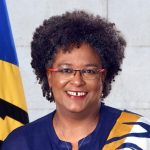



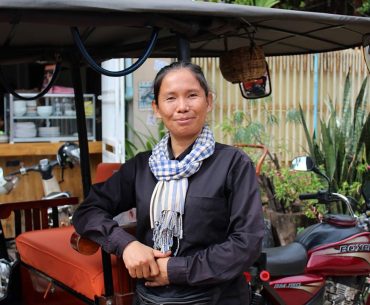
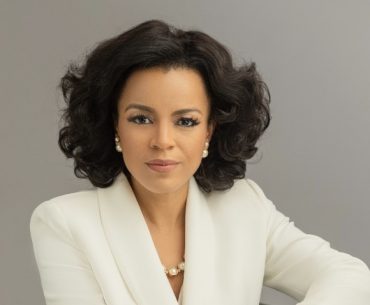
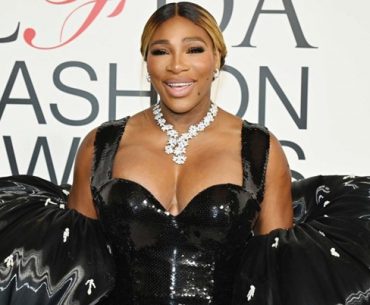

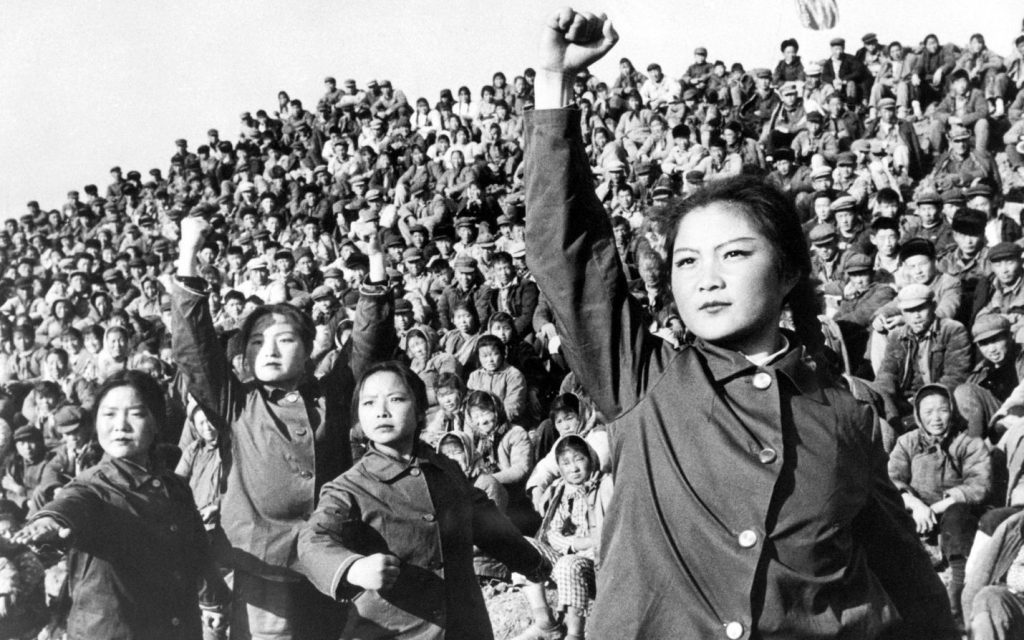
By Shan-Jan Sarah Liu In the global struggle to get more women into high political office, one of the more hopeful fronts is Asia. In 2018, Taiwan celebrated two years of its first female president, Tsai Ing-Wen, and its national legislature includes 43 women (38% of seats). Other Asian countries, such as South Korea and Thailand, have also had women heads of government. Some Asian parliaments have more women MPs than many of their Western counterparts. These are major advances, but is Asia really making headway on gender equality? It is widely assumed that when women start to become political leaders, gender equality benefits, but my own research on the political representation and participation of women in Asia calls that assumption into question. To achieve real equality, Asian countries will need to do a lot more than just get more women representatives and leaders elected. It is true that women’s political presence has serious implications. Female MPs are generally imagined…
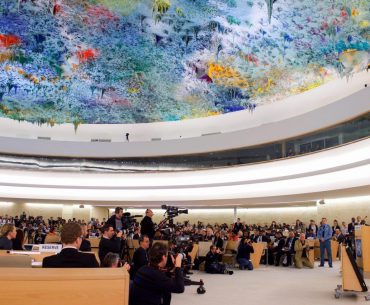
The Human Rights Council this afternoon held a clustered interactive dialogue with Dubravka Šimonović, Special Rapporteur on violence against women, its causes and consequences,…

The president of the Fédération Internationale de Football Association, FIFA, Gianni Infantino has requested assurances from the Iranian Football Federation that women will be…

A wise saying by Jim Rohn goes that “Either you run the day or the day runs you”. Highly successful businesswomen are those who…

Maintaining your hair is relatively easy once you know how to care for it. Hair is made of protein, so keeping a healthy diet…
‘Until you look like me, you are disgusting. What I actually saw, was all those ‘me’s were the perfect picture of grotesque and abnormal.…

By Splendor Eloke-Young If you want to change the future, you must change what you’re doing in the present. The truth smeared all over…
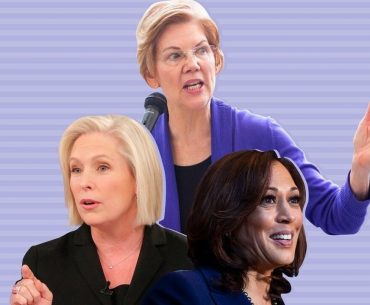
As the clock ticks towards the 2020 US Election six women amongst others, have declared their candidacies for the Democratic nomination in 2020. It’s…

By Eloke-Young Splendor Great families make great societies. Every criminal and ill-mannered citizen of a country is of course the product of a family.…
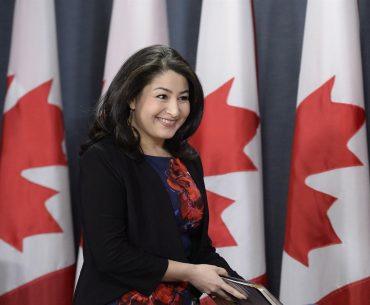
Canada’s minister of gender equality has announced a new initiative aimed at creating a sustainable model to fund women’s rights organizations in developing countries…
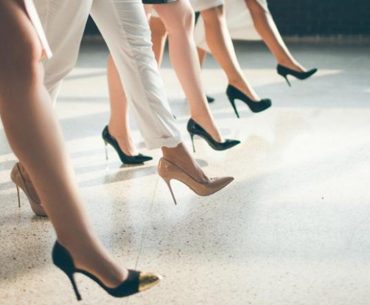
Campaigners urge government to ban employers from forcing footwear on female staff A group of Japanese women have submitted a petition to the government…
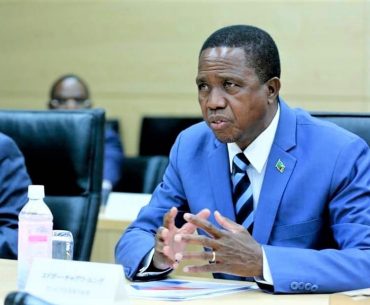
In pursuit of gender equality in Africa, the president of Zambia, Edgar Lungu has said that his government will set up a Gender and…
