

“Let food be thy medicine and medicine be thy food.” — Hippocrates
For years, women have been inundated with fad diets, detoxes and quick-fix weight loss solutions. Yet one eating pattern has consistently stood the test of time, not because it promises instant results, but because it supports long-term health, vitality and longevity. Instead of focusing on restrictions, the Mediterranean diet encourages a balanced way of eating that nourishes both the body and the mind.
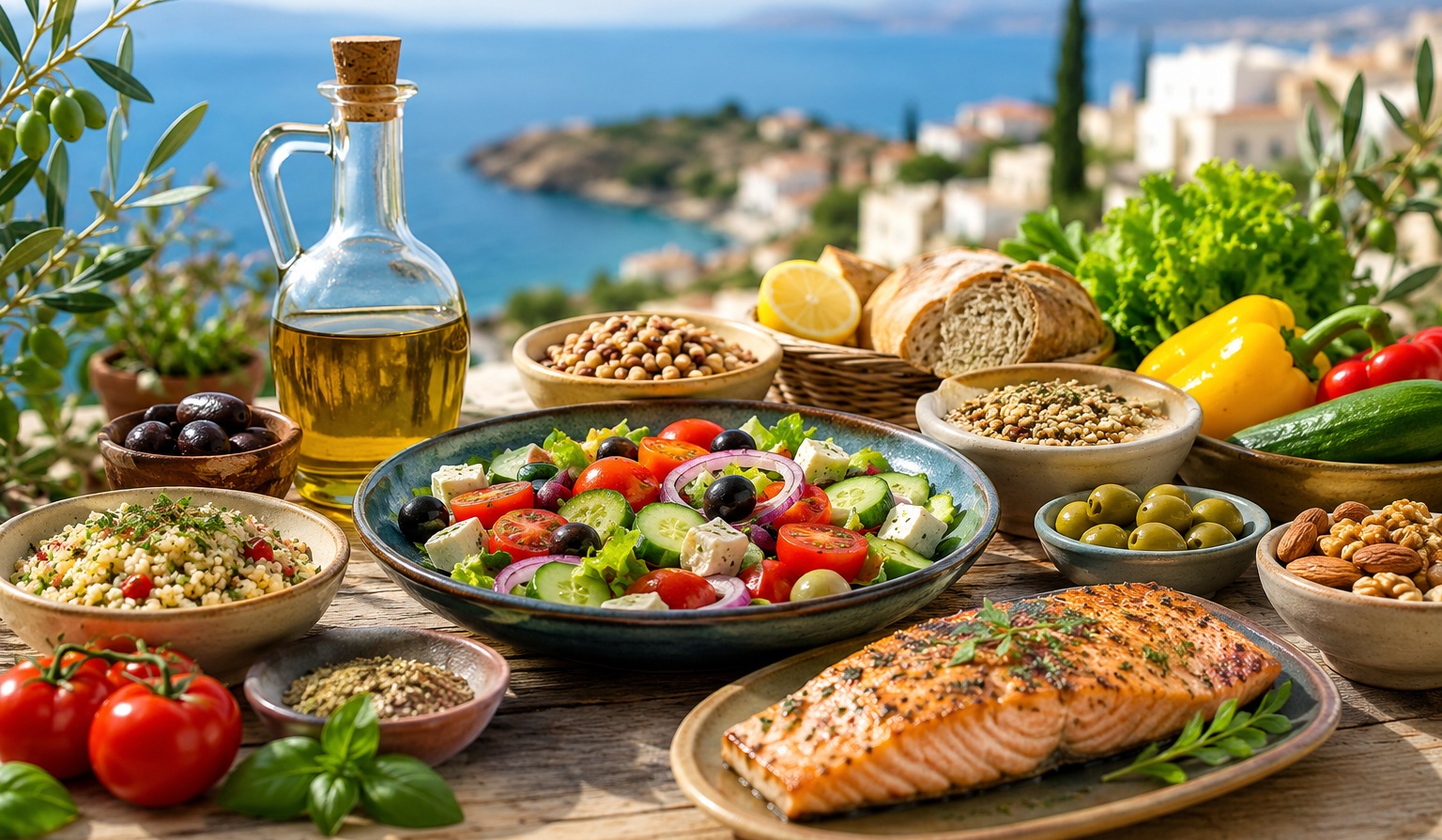
Inspired by the traditional cuisines of Greece, Italy and other Mediterranean countries, the Mediterranean diet centres on vegetables, fruits, whole grains, legumes, nuts, olive oil, fish and herbs. Rather than restricting food, it promotes balance, variety and mindful eating, making it easier to maintain as a lifelong lifestyle rather than a temporary eating plan.
Its benefits extend far beyond weight management. It has been recognised by U.S. News & World Report as the Best Overall Diet for several consecutive years and is widely recommended by leading health organisations for lifelong wellness because of its proven ability to reduce the risk of chronic diseases and improve overall quality of life.
Why Women’s Nutrition Matters
Women’s nutritional needs evolve throughout life, from adolescence and pregnancy to menopause and healthy ageing. According to the World Health Organization (WHO), cardiovascular disease remains the leading cause of death among women, accounting for approximately 35% of female deaths worldwide, many of which are linked to preventable lifestyle factors, including poor diet.
Research published in The Lancet also identifies poor dietary habits as one of the leading contributors to premature illness and death, highlighting the importance of healthy eating throughout life. A nutritious diet not only supports physical health but also contributes to hormonal balance, stronger immunity, better mental wellbeing and increased energy levels.
What Makes the Mediterranean Diet Different?
Unlike restrictive diets, the Mediterranean diet encourages wholesome, minimally processed foods, including:
- Fruits and vegetables
- Whole grains
- Beans and legumes
- Extra virgin olive oil
- Fish and seafood
- Moderate dairy
- Herbs and spices
- Limited processed foods, sugary drinks and red meat
It also promotes enjoying meals with family and friends, recognising that healthy eating is both nutritional and social. This emphasis on community, mindful eating and fresh ingredients is one of the reasons the Mediterranean lifestyle has remained relevant for generations.
Why It Is Considered the Gold Standard
The Mediterranean diet is one of the world’s most researched eating patterns.
The landmark PREDIMED trial, published in the New England Journal of Medicine, found that people following a Mediterranean diet supplemented with olive oil or nuts had about a 30% lower risk of major cardiovascular events, including heart attacks and strokes.
The American Heart Association also reports that the diet helps lower blood pressure, reduce inflammation and improve cholesterol levels, making it particularly beneficial for women, whose heart disease often goes undiagnosed until later stages. These findings continue to reinforce why healthcare professionals regard the Mediterranean diet as one of the healthiest eating patterns available today.
A Powerful Ally for Women’s Health
The Mediterranean diet supports multiple aspects of women’s health.
Heart Health: Healthy fats from olive oil, nuts and fish help protect the heart, while fibre rich foods support healthy cholesterol levels and improve cardiovascular function.
Brain Health: Research published in Neurology links Mediterranean style eating with slower cognitive decline and a reduced risk of dementia, suggesting that good nutrition also supports long term brain health.
Hormonal Health: Nutrient rich foods, healthy fats and fibre support hormonal balance and metabolic health throughout different life stages, including menopause.
Healthy Ageing: Anti inflammatory foods contribute to stronger bones, improved mobility and greater vitality as women age, allowing them to remain active and independent for longer.
Weight Management: According to The BMJ, Mediterranean style eating supports sustainable weight management by promoting satiety through fibre, lean protein and healthy fats rather than restrictive calorie counting.
Mental Wellbeing: Research published in Molecular Psychiatry suggests that greater adherence to the Mediterranean diet is associated with a lower risk of depression, reinforcing the strong connection between nutrition, brain health and emotional wellbeing.
Can African Women Follow the Mediterranean Diet?
Absolutely. The Mediterranean diet is based on principles rather than specific foods. African women can easily adapt it using locally available ingredients such as spinach, amaranth, millet, sorghum, beans, cowpeas, avocados, groundnuts and fresh fish.
The emphasis is on eating fresh, minimally processed foods while limiting refined sugars and highly processed meals. This makes the Mediterranean diet both practical and affordable for many households across the continent.
Five Simple Ways to Start
- Eat more vegetables and fruits every day.
- Choose whole grains instead of refined grains.
- Eat fish, beans or lentils more often than red meat.
- Use healthy oils, especially olive oil, in moderation.
- Prepare more home cooked meals and eat mindfully.
These simple habits, when practised consistently, can significantly improve overall health and reduce the risk of chronic diseases over time.
A Lifestyle Worth Embracing
The Mediterranean diet has earned its reputation through decades of scientific research. Endorsed by organisations including the World Health Organization, the American Heart Association and the Harvard T.H. Chan School of Public Health, it remains one of the most trusted eating patterns for disease prevention and healthy ageing.
For women, healthy eating is not about following the latest trend, it is about building a stronger, healthier future and investing in lifelong wellbeing.
A Call to Action
Small changes can produce lasting results. Start by replacing one processed meal each day with a plate rich in vegetables, whole grains and healthy fats. Every nutritious choice is an investment in your future.
The Mediterranean diet reminds us that true wellness is achieved through balance, consistency and intentional living. For women seeking strength, vitality and longevity, it remains one of the healthiest lifestyles to embrace and one of the smartest investments they can make in their long term health.





Comments are closed.