Author

Amazons Watch Magazine

Browsing

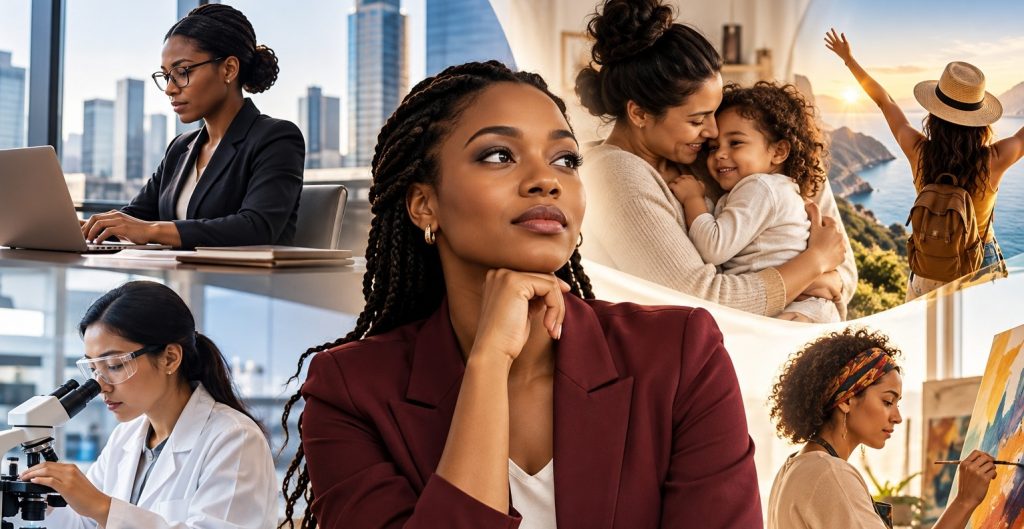
Top 8 Reasons Why Your Child Should Learn AI Before They Turn 13

By Blossom Ukoha “The best way to predict the future is to create it.” — Alan Kay, Computer Scientist Every generation has a defining skill that determines who thrives and who struggles. For our grandparents, literacy unlocked opportunity. For our parents, computer literacy transformed careers. Today, the defining skill is artificial intelligence (AI). AI is no longer a technology reserved for scientists or software engineers. It is rapidly becoming part of everyday life, influencing how we learn, work, communicate, shop, and solve problems. Whether we realise it or not, our children are already interacting with AI through search engines, smartphones, educational apps, voice assistants, social media algorithms, and online learning platforms. The question is no longer whether children should be exposed to AI. They already are. The real question is whether they will become creators of AI-powered solutions or merely consumers of AI-generated content. Research increasingly shows that introducing AI…

Peru’s First Female President: Keiko Fujimori’s Historic Mandate

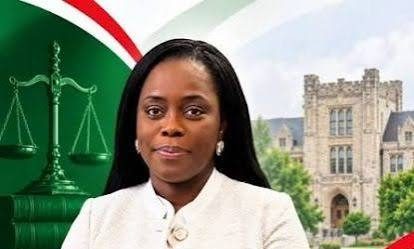
“The rise of women to the highest offices of government is not merely a political achievement; it is a testament to the progress of democracy and the limitless potential of women’s leadership.” History was made on 28 July 2026 when Keiko Sofía Fujimori Higuchi shattered one of Peru’s most enduring political barriers by becoming the country’s first woman elected president through a democratic popular vote. Her inauguration on Peru’s Independence Day marked not only a personal triumph after three unsuccessful presidential bids but also a defining moment for women’s political leadership in Latin America. Assuming office during one of the most challenging periods in Peru’s recent history, Fujimori inherited a nation grappling with political instability, economic uncertainty, rising insecurity, and declining public confidence in government. As Peru’s 10th president in just over a decade, she now shoulders the responsibility of restoring stability, strengthening democratic institutions, revitalising the economy, and rebuilding…

If Peace Had a Face, It Would Be a Woman

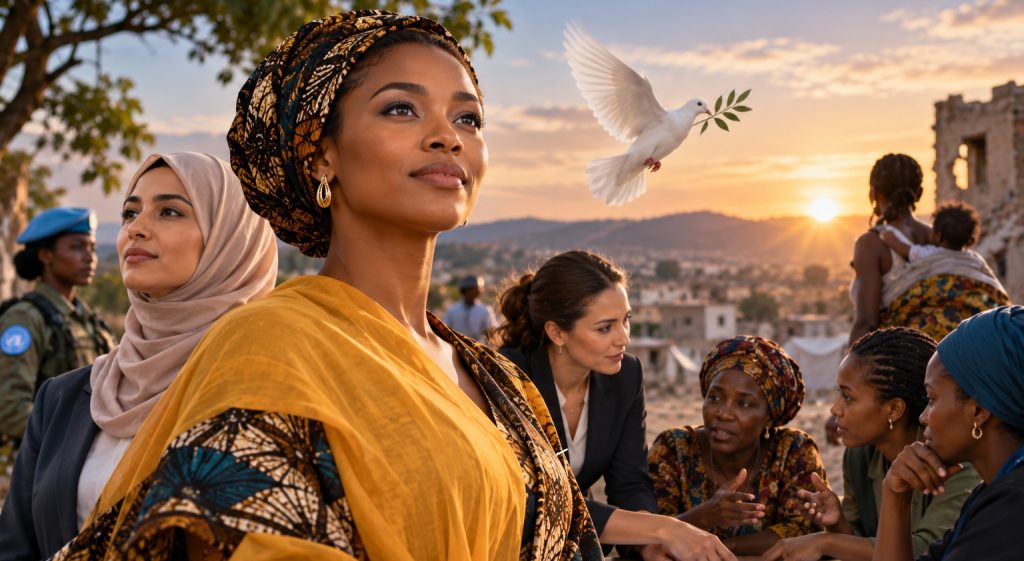
By Blossom Ukoha “Women are not only the victims of conflict, they are the architects of peace.” — Phumzile Mlambo-Ngcuka, Former Executive Director of UN Women Phumzile Mlambo-Ngcuka, former Executive Director of UN Women, was not merely making an inspiring statement. She was reflecting a reality supported by decades of evidence. Across history, women have stood at the frontlines of peacebuilding, not with weapons but with courage, dialogue, resilience, and an unwavering commitment to rebuilding communities shattered by conflict. While wars are often remembered through the generals who fought them, peace is frequently sustained by the women who negotiated reconciliation, protected families, defended human rights, and refused to let violence define the future. Increasingly, global data and the stories of remarkable women leaders affirm what Mlambo-Ngcuka’s words suggest: if peace had a face, it would indeed look remarkably like that of a woman. For centuries, women have been among the…

No Woman for Sale: Confronting the Global Human Trafficking Crisis

By Blossom Ukoha “She thought she was boarding a bus to a better future. Instead, she was travelling into a nightmare.” This is how countless trafficking stories begin. A young woman accepts what appears to be a legitimate job abroad. A teenage girl is promised education or financial stability. A mother, desperate to support her family, believes in an opportunity that seems too good to be refused. What begins with hope too often ends in exploitation, violence, and the stripping away of freedom. Behind every statistic is a human life whose dreams were manipulated through deception, coercion, or force. This is why the World Day Against Trafficking in Persons, observed annually, exists. Proclaimed by the United Nations General Assembly in 2013 through Resolution A/RES/68/192, the day raises global awareness of human trafficking, strengthens protection for victims, and reinforces international efforts to combat one of the fastest-growing forms of organised crime. Human…

Beyond Borders: How Friendship Is Empowering Women to Build a More Peaceful World

By Blossom Ukoha “Friendship between peoples, countries, cultures and individuals can inspire peace efforts and build bridges between communities.” — United Nations Every year on 30 July, the world celebrates the International Day of Friendship, a United Nations observance established by the UN General Assembly in 2011 to promote friendship among peoples, cultures, and nations as a pathway to peace. At first glance, the day appears to be a universal celebration of human connection. Yet beneath its broad message lies a powerful opportunity to reflect on one of the world’s most transformative forces: the solidarity of women. Although the International Day of Friendship is not a gender-specific observance like International Women’s Day, its values align closely with the global movement for women’s rights, equality, and peacebuilding. The UN’s Culture of Peace framework, which inspired the observance, identifies equality between women and men as one of the essential actions required to…

World Hepatitis Day: Why Protecting Women Is Key to Ending Hepatitis

“Health is a fundamental human right.” – World Health Organization A pregnant woman arrives at her first antenatal appointment feeling healthy and excited about the future. She has no symptoms, no pain, and no reason to believe anything is wrong. Yet, without knowing it, she is living with hepatitis B, a silent viral infection that could be passed on to her baby during childbirth. Fortunately, a simple blood test, timely treatment and a vaccine administered within the first twenty-four hours of birth can almost completely prevent that transmission. Her story reflects the urgent message behind World Hepatitis Day 2026, observed annually on 28 July under the theme “Hepatitis: Let’s Break It Down.” The campaign calls on governments, health professionals and communities to break down the financial, social and systemic barriers that continue to prevent millions of people from accessing prevention, testing, treatment and care. For women, this message is especially…

The Future of Female Leadership in a Multipolar World

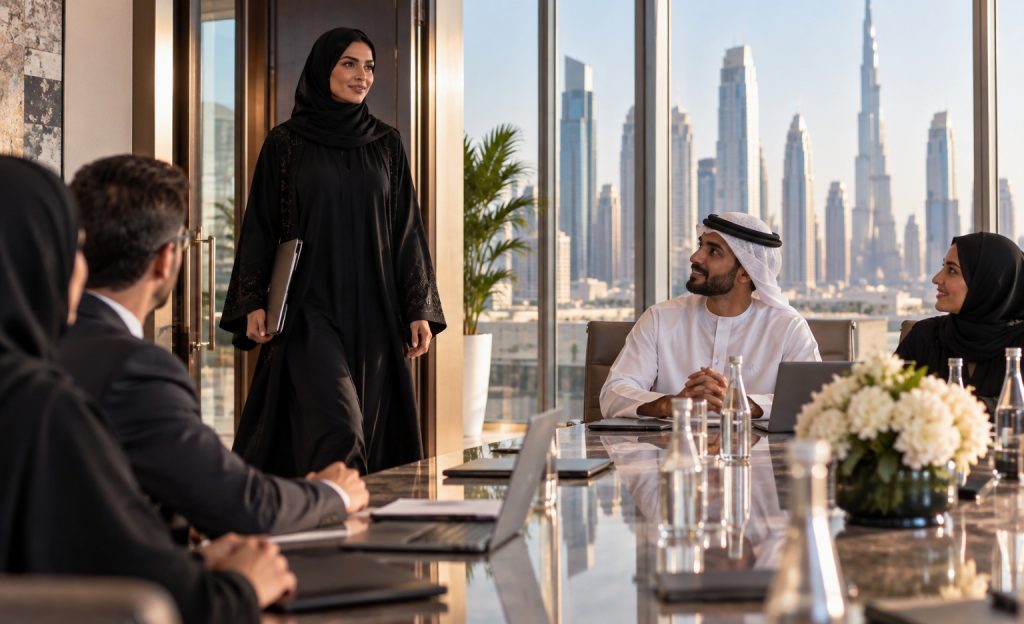
As global power shifts, will women help shape the next world order—or be left behind? According to the 2026 Women in Politics Map, jointly published by UN Women and the Inter-Parliamentary Union (IPU), the world remains far from achieving gender-balanced leadership. Only 28 countries are currently led by a woman as Head of State or Government, while 101 countries have never had a female leader. Women occupy just 22.4% of cabinet minister positions globally, 27.5% of parliamentary seats, and only 19.9% of Speaker of Parliament positions, a decline that marks the first reversal in more than two decades. At the current pace, the IPU and UN Women estimate that gender equality in the world’s highest executive offices remains approximately 130 years away. The picture is equally concerning in business. The World Economic Forum (WEF) reports that the global gender gap is 68.8% closed, leaving the world approximately 123 years away…