








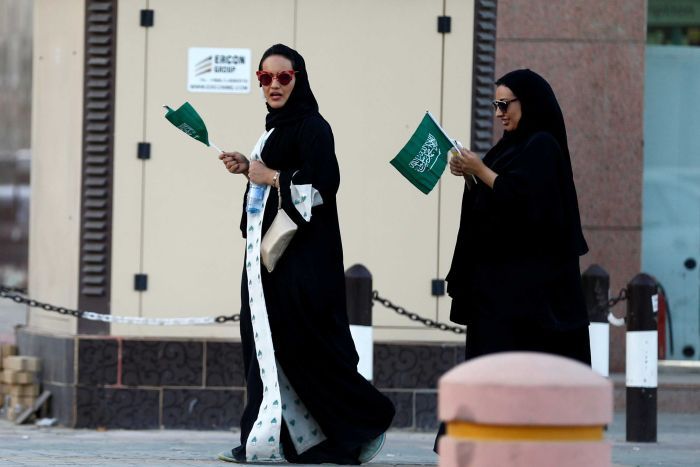
Saudi Arabia, a country where women are not allowed to drive cars, has been elected to the United Nations women’s rights commission, sparking anger. The kingdom was elected recently by secret ballot to a four-year term on the Commission on the Status of Women and will join 45 other countries on the panel, a UN press statement said. The commission’s role has been to “promote shaping global standards on gender equality and the empowerment of women”. Algeria and Iraq were also elected to join the commission along with ten other countries. Under the kingdom’s conservative interpretation of Islamic law, women face many restrictions in work and travel. UN Watch, a monitoring group, has harshly criticized the UN for allowing Saudi Arabia onto the commission. “Electing Saudi Arabia to protect women’s rights is like making an arsonist into the town fire chief,” said Hillel Neuer, Executive director of the watchdog. “It’s…
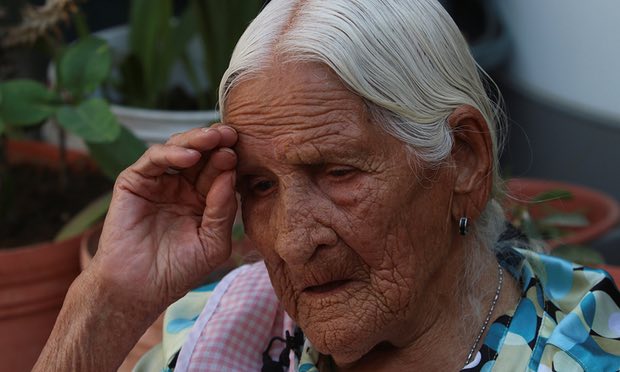
Born at the turn of the past century, Maria Félix is old enough to remember the Mexican Revolution – but too old to get…
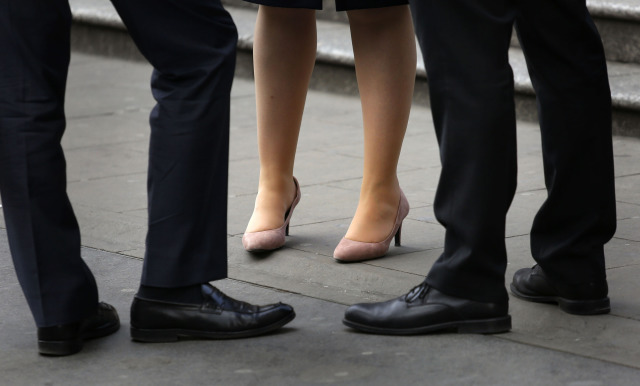
Women in the UK technology industry are paid on average 16% less than men, new research into the wage gap claims. A survey across…

By: Miracle Nwankwo Fernandez-Ruiz is a native of the Philippines who was born in 1985 and raised by a missionary mother who travelled around…

By: Simone Paget There’s the popular saying that one cannot serve two masters at the same time. Materialism goes beyond buying clothes and shoes…

Everyone has talent. What is rare is the courage to follow the talent to the dark place where it leads. Erica Jong, 75,…
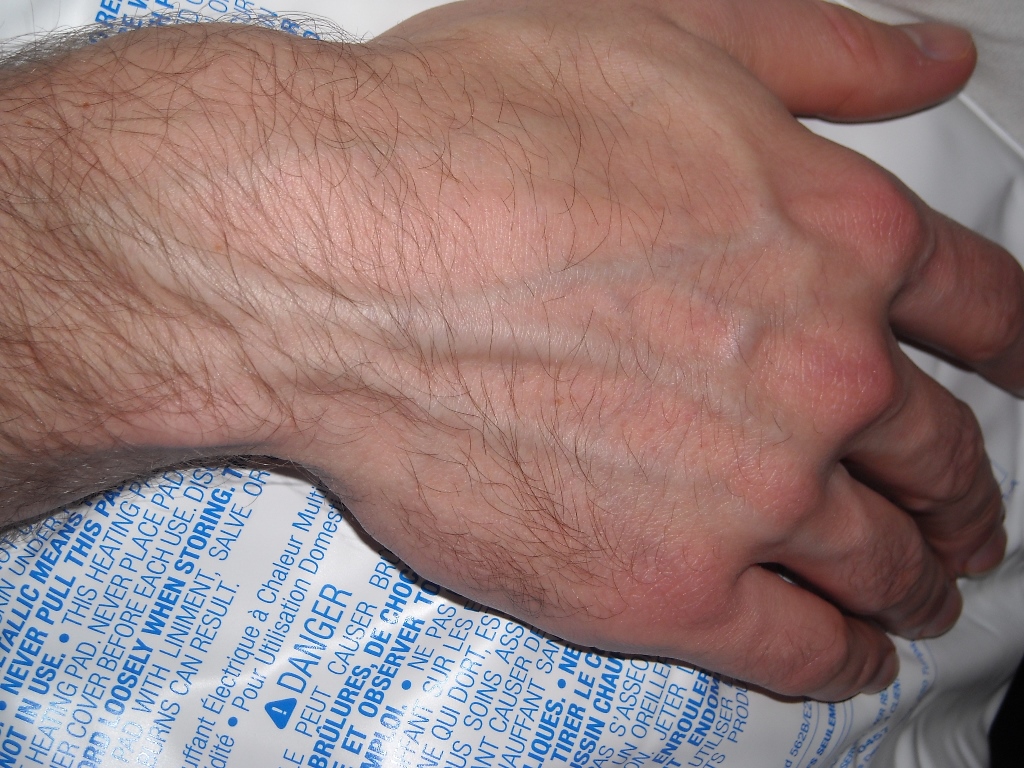
Varicose veins are veins that are swollen and are raised above the skin. They can be blue, red, or flesh-colored. They often look like cords…
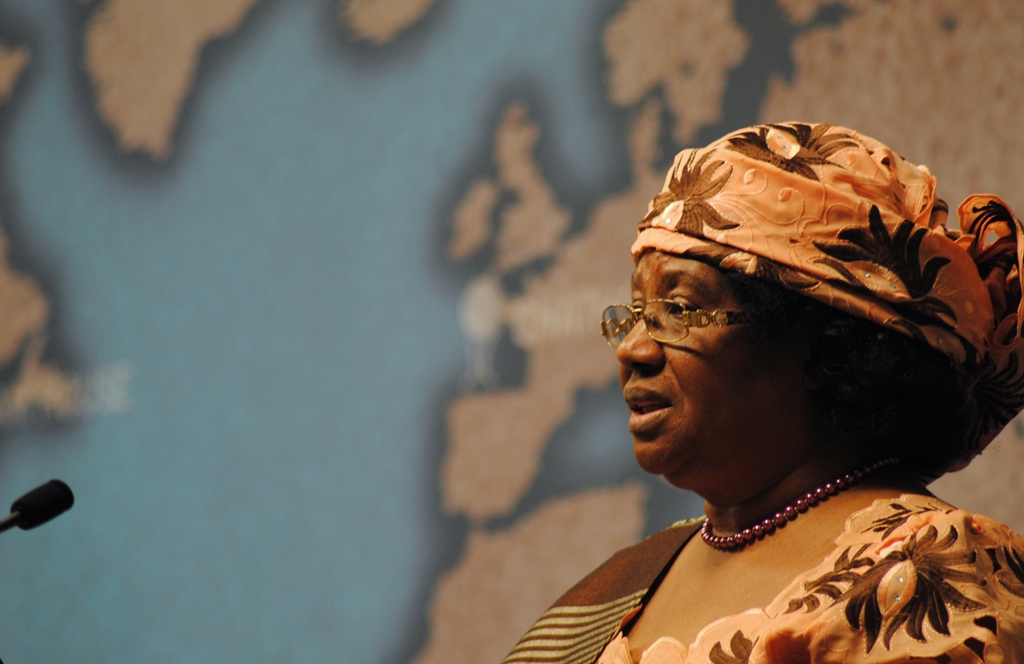
Joyce Banda formerly known as Joyce Hilda Ntilda was born on the 12th day of April 1950 in a little village called Malemia under…

With the theme “empowering children enabling wellbeing”, the Buds of Christ; an Indian organization catering for orphan children and striving to make these children…
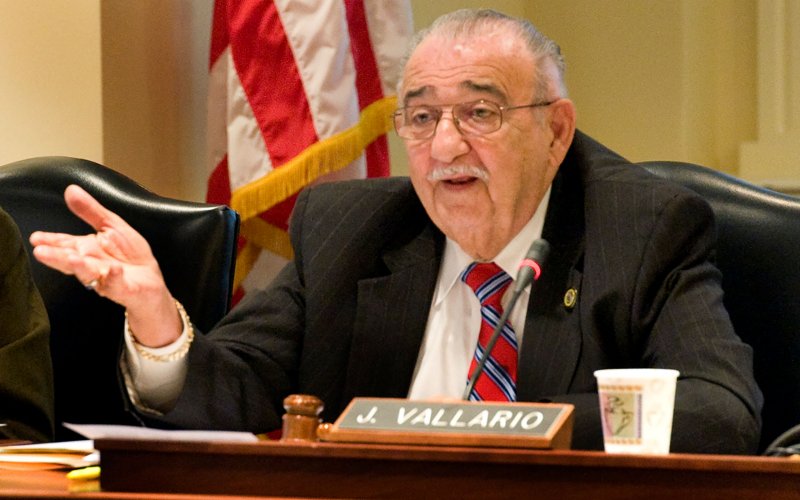
By: Kelly Weill Five Maryland legislators could have ended a policy that forces women to share child custody with their rapists. Instead the five…
By: Joseph Wangui After venturing into male-dominated political arena in the country, women seeking elective positions in Nyeri are getting it rough due to…
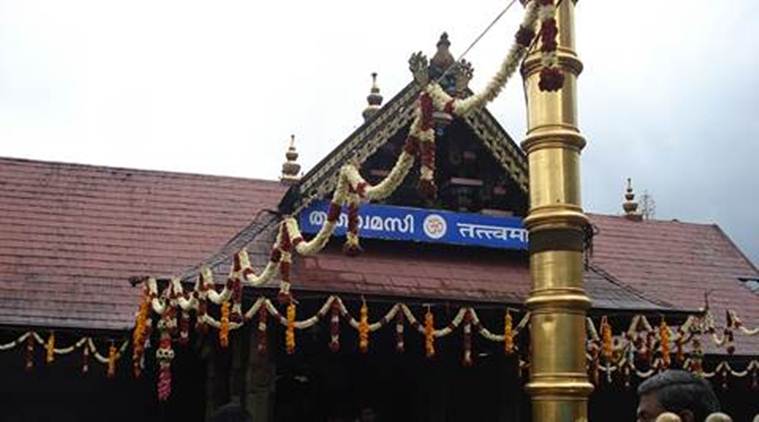
The Kerala government recently ordered a probe into the allegation that young women had entered the Lord Ayyappa temple at Sabarimala. The age-old practice…
