

By Blossom Ukoha
“The Earth is the cradle of humanity, but one cannot live in a cradle forever,” said Konstantin Tsiolkovsky. Today, as humanity stretches beyond that cradle into space, a more pressing question emerges: who is shaping this future, and whose voices are still missing?
For decades, space exploration has symbolised human ambition, intelligence, and progress. Yet beneath this inspiring narrative lies a quieter truth. Women remain significantly underrepresented in the very systems that are defining the future of our planet and beyond. This absence is not just about inequality. It is about missed opportunities, incomplete solutions, and a future that risks being built without the full strength of human insight.
The Power Women Bring to Space Innovation
Women have always been part of the story of space, even when history failed to center them. From Valentina Tereshkova, who proved that women belong beyond Earth, to the countless scientists, engineers, and researchers working behind the scenes today, women have consistently expanded the boundaries of what is possible.
What women bring to space innovation goes beyond technical expertise. They bring perspective, empathy, collaboration, and a deep awareness of how science connects to everyday life. These qualities are not soft additions. They are essential drivers of innovation, especially in a field that increasingly impacts how we live, work, and survive on Earth.
Space Is Not Distant, It Is Deeply Personal
Space technology is no longer a distant concept reserved for astronauts and scientists. It is woven into the fabric of daily life. Satellites guide farmers, support disaster response, enable communication, and monitor climate change.
For women, particularly in developing regions, these technologies are lifelines. A mother relying on accurate weather data to protect her crops, a young girl accessing digital education through satellite connectivity, and a community leader responding to environmental changes. These are not abstract scenarios. They are real, lived experiences.
Yet too often, the systems powering these solutions are designed without women at the decision-making table. When women are excluded, innovation loses its sensitivity to real needs. It becomes less inclusive, less effective, and less human.
The Barriers Women Continue to Face
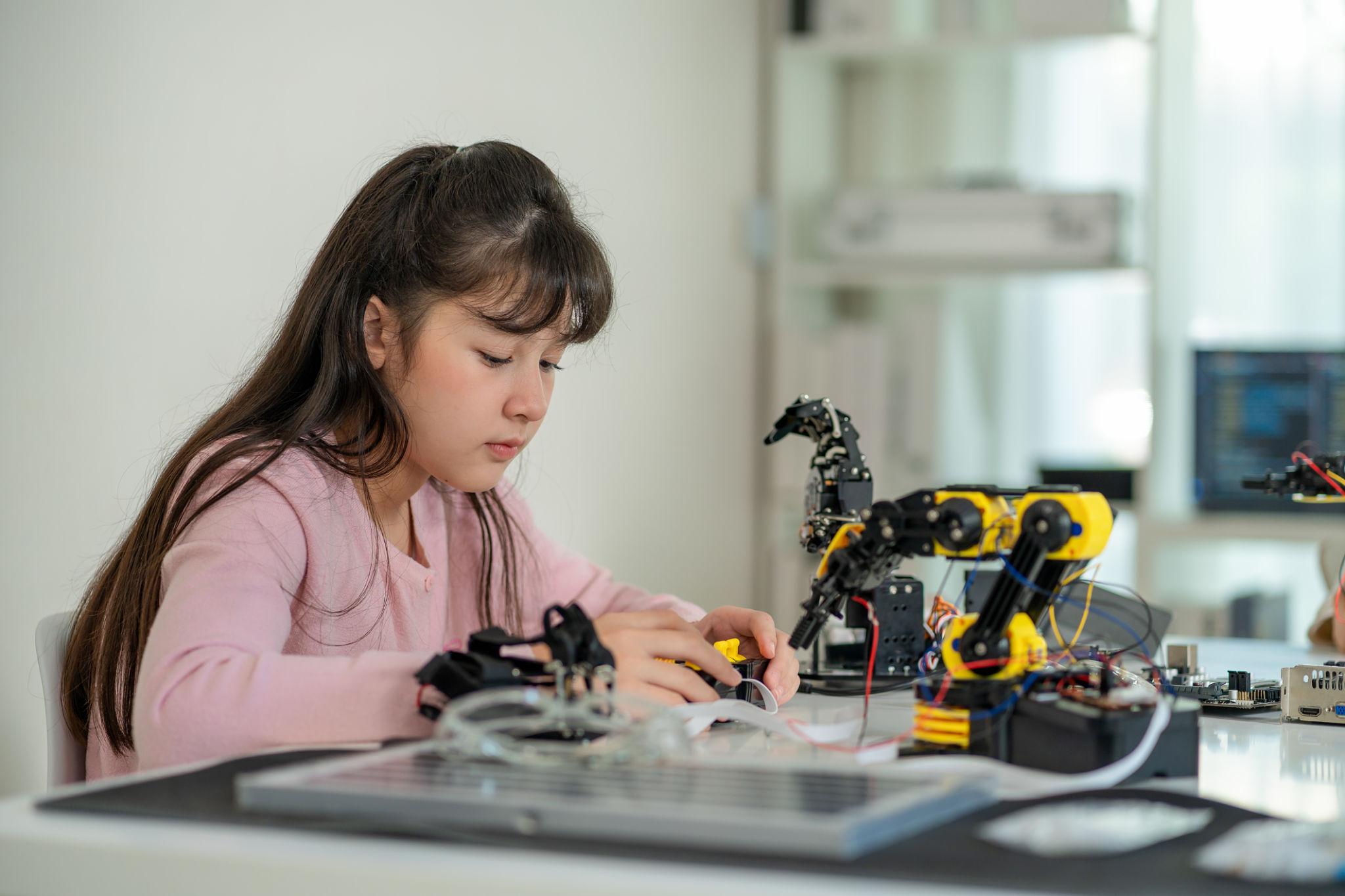
The journey into space innovation begins long before any laboratory or launchpad. It starts in classrooms, in access to education, in the belief that a girl can become a scientist, an engineer, or an astronaut.
But across the world, too many girls are still denied that opportunity. Limited access to STEM education, societal expectations, lack of mentorship, and unequal funding continue to create barriers that push women out of the pipeline before they even begin.
Organizations like UNESCO and UN Women continue to advocate for change, but advocacy alone is not enough. What is needed is sustained, intentional action that transforms policies into lived realities.
Why Inclusion Is Not Optional
The future of space innovation depends on diversity of thought. Without women, that diversity is incomplete. Without their leadership, solutions risk being narrow, overlooking the complexities of human experience.
When women are included, innovation becomes richer. It becomes more responsive to global challenges such as climate change, food security, and healthcare access. It becomes more grounded in the realities of communities and more capable of delivering meaningful impact.
This is not about filling quotas. It is about recognising that progress cannot afford to leave half of humanity behind.
A Call to Action: Her Place Is in the Future We Are Building
The time for passive support has passed. What is required now is deliberate, visible, and measurable action.
Governments must invest in policies that prioritise girls’ education in science and technology. Institutions must create pathways that support women not just to enter space-related fields, but to lead within them. The private sector must fund women-led innovations and ensure that opportunities are not limited by gender.
Educators, mentors, and communities must encourage girls to dream without limitation and to see themselves as part of the global scientific future. Representation must move beyond symbolism into everyday reality.
And for every young woman watching the stars and wondering if there is a place for her, the answer must be clear and unwavering. Yes, there is space for you. Not at the margins, not as an afterthought, but at the very center.
Because the future of space is not just about exploration. It is about inclusion. It is about justice. It is about building a world where every voice matters, and every woman has the power to shape what comes next.





Comments are closed.