

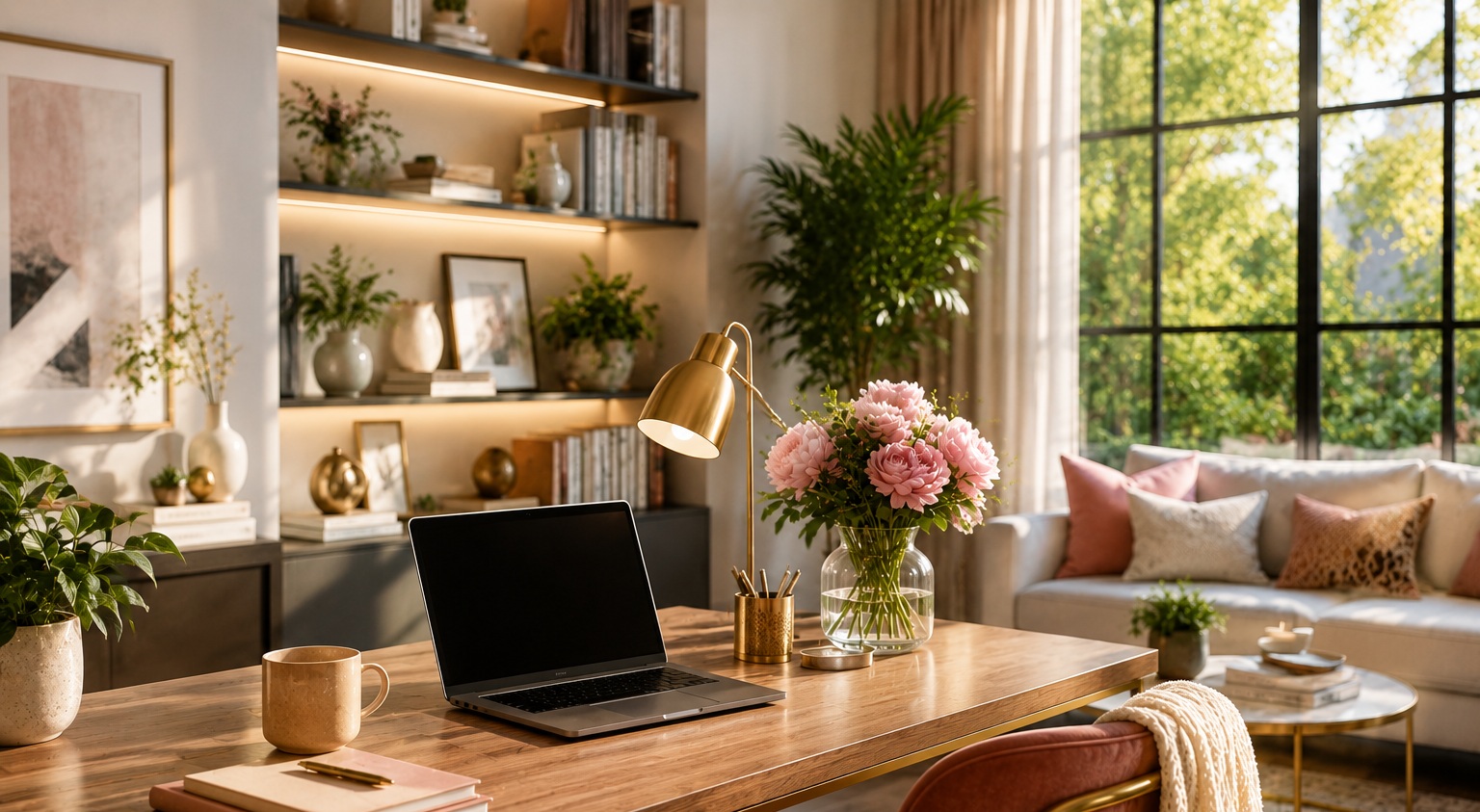
“Freedom appears a core characteristic: the person must feel free and must be able to adapt or choose the environment to fit individual needs and the creativity phase.”
— Jan Dul, The Physical Environment and Creativity (Cambridge Handbook of Creativity, 2019).
A woman’s home is far more than a place to live. It is where ambitions are nurtured, resilience is strengthened and ideas quietly evolve into action. Whether she is leading a business, raising a family, pursuing a profession or building a legacy, the environment she creates around herself has a profound influence on how she thinks, feels and performs.
Jan Dul’s observation highlights a principle that has become increasingly relevant in modern life. Creativity flourishes where people have the freedom to shape their surroundings according to their needs. For women, this means creating homes that do more than provide comfort. They should inspire confidence, encourage innovation and support every stage of personal and professional growth.
The Science Behind Inspiring Spaces
Our surroundings influence far more than our mood. They shape concentration, productivity and creativity.
According to Jan Dul’s research in the Cambridge Handbook of Creativity, environments that give individuals autonomy and the flexibility to adapt their surroundings significantly enhance creative thinking. Spaces that feel open, comfortable and personally meaningful encourage curiosity, experimentation and fresh ideas.
This is especially important for women whose homes often serve multiple purposes. A dining table may become a meeting room, a spare bedroom may function as a home office and a quiet corner may become a place for planning future goals. Thoughtful design allows these spaces to support both everyday responsibilities and long-term aspirations.
Designing for Productivity and Wellbeing
A beautiful home should also be a functional one. Every design choice, from lighting and furniture to colour and layout, can influence wellbeing and performance.
Research published by the World Green Building Council shows that access to natural daylight improves wellbeing, productivity and cognitive performance. Similarly, findings from environmental psychology suggest that incorporating natural elements such as indoor plants, timber finishes and outdoor views can reduce stress while improving concentration and mental clarity.
These principles are particularly valuable for women balancing demanding schedules. A workspace positioned near natural light, organised storage that reduces visual clutter or a comfortable reading corner can make daily routines more efficient while creating opportunities for reflection and renewal.
Designing for wellbeing is not about creating perfection. It is about creating an environment that restores energy and supports clear thinking.
Creating a Home That Supports Every Role
Modern women rarely define themselves by a single role. Many are professionals, entrepreneurs, mentors, mothers, caregivers and community leaders, often all at once. Their homes should reflect this reality by offering flexibility and purpose.
A dedicated workspace encourages focus and productivity. Comfortable communal areas strengthen family relationships and meaningful conversations. Quiet spaces for reading, prayer or personal reflection provide moments of calm amidst demanding schedules. Each area contributes differently to a woman’s ability to lead with confidence and balance.
For mothers, the home also serves as the first environment in which leadership is modelled. Children who observe discipline, compassion, integrity and lifelong learning are more likely to develop those qualities themselves. In this way, the home becomes not only a place of residence but also a place where future leaders are shaped.
Designing with Intention Rather Than Luxury
Creating an inspiring home does not depend on expensive furniture or grand architectural features. It begins with intentional choices that reflect personal values and support everyday living.
Selecting colours that promote calm, displaying books that encourage learning, showcasing meaningful artwork and reducing unnecessary clutter all contribute to an atmosphere that stimulates creativity and purposeful living. Even small improvements can transform the way a space feels and functions.
The most inspiring homes are those that reflect the lives of the women who inhabit them. They celebrate individuality, encourage continuous growth and evolve alongside changing seasons of life.
A Call to Action
Women should view home design as more than an aesthetic pursuit. It is an investment in their wellbeing, productivity and leadership potential. Families, architects, interior designers, developers and policymakers also have a responsibility to create homes and communities that support women’s evolving roles in society.
As more women assume leadership across business, government, academia and entrepreneurship, the spaces they live in should empower rather than constrain them. Designing environments that foster creativity, flexibility and wellbeing is not simply a lifestyle choice. It is an essential step towards enabling women to thrive personally, professionally and socially.
Conclusion
The homes women create today have the power to influence the leaders they become tomorrow. They shape daily habits, encourage innovation, strengthen resilience and provide the foundation from which ideas grow into meaningful action.
As Jan Dul reminds us, creativity flourishes where there is freedom to shape one’s environment. By designing homes that support both aspiration and wellbeing, women are doing more than creating beautiful interiors. They are creating spaces where confidence is cultivated, leadership is strengthened and lasting legacies begin.





Comments are closed.