By Blossom Ukoha
“Anything is possible. Our daughters, our granddaughters, anything is possible. Because this nation is ready to move forward. But it takes a lot of hard work. So again, I love you all. It is time to heal. It is time to get to work. But it also is time to be a family once again.”
“This is your victory… We have all worked hard because we said we want a positive direction and this was an outcry from the people for love.”
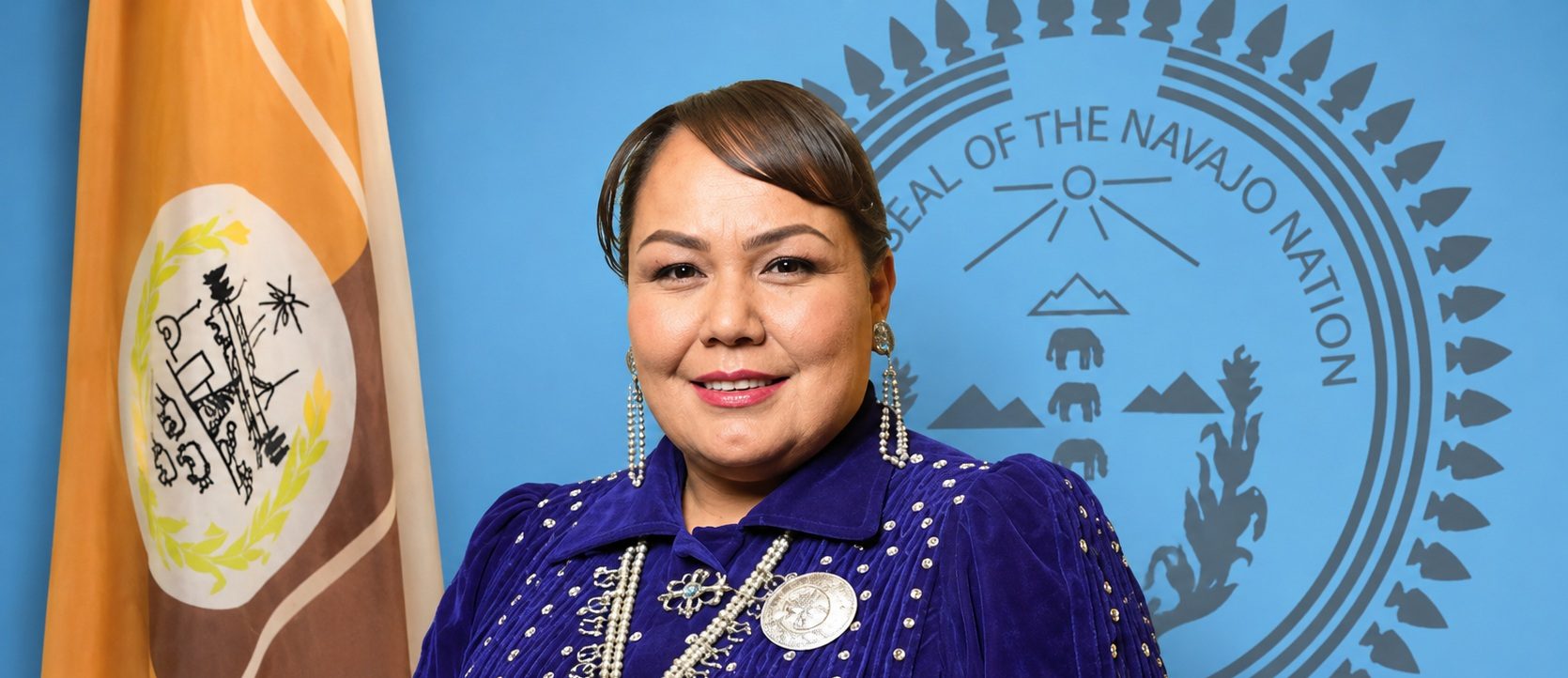
These were Crystalyne Curley’s words following the November 3, 2026, Navajo Nation presidential election. Addressing supporters after the announcement of unofficial results, she spoke not only about a political victory but also about healing, unity and the possibilities awaiting future generations. Her message carried particular significance for Navajo women and girls: for the first time in the Nation’s history, a woman had emerged as the leading candidate for its highest executive office.
At 40, Curley is set to become the first female President of the Navajo Nation, subject to the completion of the electoral process. Her achievement raises a question that extends beyond representation: can her historic leadership reshape how Indigenous governance is understood, practised and experienced? To explore that possibility, it is important to understand the woman behind the milestone and the political institution she is preparing to lead.
A Journey Rooted in Service and Identity
Raised in Fish Point, Arizona, within the Navajo Nation, Curley is closely connected to her Diné identity and cultural heritage. A fluent Navajo speaker and first-generation college graduate, she earned two bachelor’s degrees from Arizona State University and a Master of Public Administration from the University of New Mexico.
Her public service experience spans different areas of Navajo government. She has worked in policy, public information, community development and tribal administration, including serving as a senior public information officer and contributing to the Nation’s response during the COVID-19 pandemic. These experiences gave her exposure to the institutional challenges affecting communities and the responsibilities involved in public administration.
Her relationship with public leadership also developed through cultural representation. In 2011–2012, she served as Miss Navajo Nation, a role that placed her in a position to represent Navajo traditions, language and identity. In 2022, she entered elected politics as a Council Delegate representing five communities: Tachee/Blue Gap, Many Farms, Nazlini, Tselani/Cottonwood and Low Mountain.
In January 2023, she made history again when she became the first woman elected Speaker of the 25th Navajo Nation Council. Her election to the presidency would therefore represent another stage in a political journey shaped by cultural engagement, legislative experience and years of public service.
Beyond the First: What Does Her Leadership Mean?
The significance of Curley’s emergence lies partly in the contrast between women’s cultural influence and their historical representation in the Nation’s highest executive office. Navajo society has a matrilineal clan system, in which identity and clan relationships are traced through the mother. Women also hold important responsibilities in family and community life. Yet the presidency has remained occupied by men until this election.
Her achievement brings this distinction into focus. It challenges the assumption that cultural influence and formal political authority must remain separate, while creating a new point of reference for girls considering careers in public leadership.
Curley has spoken about the importance of her daughter and the opportunities available to younger generations. Her message that daughters and granddaughters can pursue possibilities previously considered out of reach gives her election a significance beyond the immediate political transition. However, representation becomes meaningful when it is accompanied by access, participation and institutional opportunities for others to follow.
The broader question, therefore, is not simply whether a woman can occupy the presidency, but whether her administration can help create conditions in which more women participate in decision-making across government and community institutions.
Can Her Presidency Redefine Indigenous Governance?
Curley’s campaign, built around the slogan Haleid Bee Ahínéiidiikah – Together We Rise, placed unity, community development, accountability and cultural preservation at the centre of its vision.
Her policy priorities include improving public safety, expanding access to mental and behavioural health services, strengthening suicide prevention and addressing housing shortages. She has also highlighted employment opportunities, economic development and support for Navajo-owned businesses.
Infrastructure remains another major concern. Across the Nation, communities continue to face challenges involving access to running water, electricity, reliable roads, broadband and adequate housing. Her proposed approach includes improving infrastructure, streamlining development processes and working with the Navajo Nation Council to advance community projects.
However, the implications of her leadership extend beyond service delivery. The Navajo Nation is a sovereign Indigenous government with its own political institutions and relationship with the United States federal government. Its governance involves questions of land, natural resources, water rights, cultural protection and the authority to make decisions affecting the Diné people.
Curley has emphasised protecting Navajo sovereignty, water rights, mineral resources, sacred sites and the Navajo language. Her previous legislative work also included efforts relating to water rights settlements. These issues demonstrate that Indigenous governance is not simply about managing public services; it also involves protecting political authority, cultural identity and the interests of future generations.
Her presidency will operate within an established system of executive and legislative responsibilities. Working with the Navajo Nation Council, rather than acting alone, will be essential to turning policy commitments into legislation, budgets and practical outcomes. This makes collaboration, transparency and accountability central measures of what her administration can achieve.
The Work Ahead: Turning a Historic First into Institutional Progress
Curley and her running mate, Chris Deschene, received 32,094 votes against Justin Jones and Emily Ellison, who received 30,979, according to unofficial results. The 1,115-vote margin prompted Jones and Ellison to request a recount covering the Nation’s 110 chapters. On November 12, the Navajo Board of Election Supervisors approved a resolution allowing the recount. As of November 15, the recount date had not been set, and the results had not been certified. Curley remains president-elect, with inauguration scheduled for January 12, 2027, subject to the conclusion of the electoral process.
The electoral challenge is an immediate reminder that leadership begins within institutions that must command public confidence. Beyond the recount, the next administration will face difficult questions about infrastructure gaps, unemployment, housing, public safety, economic opportunity and the protection of tribal sovereignty.
Ultimately, Curley’s historic achievement is an opportunity to examine what Indigenous governance can look like when women occupy its highest executive offices. Her leadership will be measured not only by the barrier her election has broken, but also by how effectively her administration works with Navajo institutions, responds to community priorities and protects the Nation’s long-term interests.
For the daughters and granddaughters she addressed on election night, her emergence offers a new image of political possibility. But the lasting significance of this moment will depend on whether that possibility becomes a stronger pathway for participation, influence and leadership across generations.
The question is no longer simply whether a Navajo woman can lead her Nation. It is whether this historic first can help build a system of governance in which representation, accountability and the voices of the Diné people shape the future together.


Comments are closed.