Category

UN Day

Category

Beyond Borders: How Friendship Is Empowering Women to Build a More Peaceful World

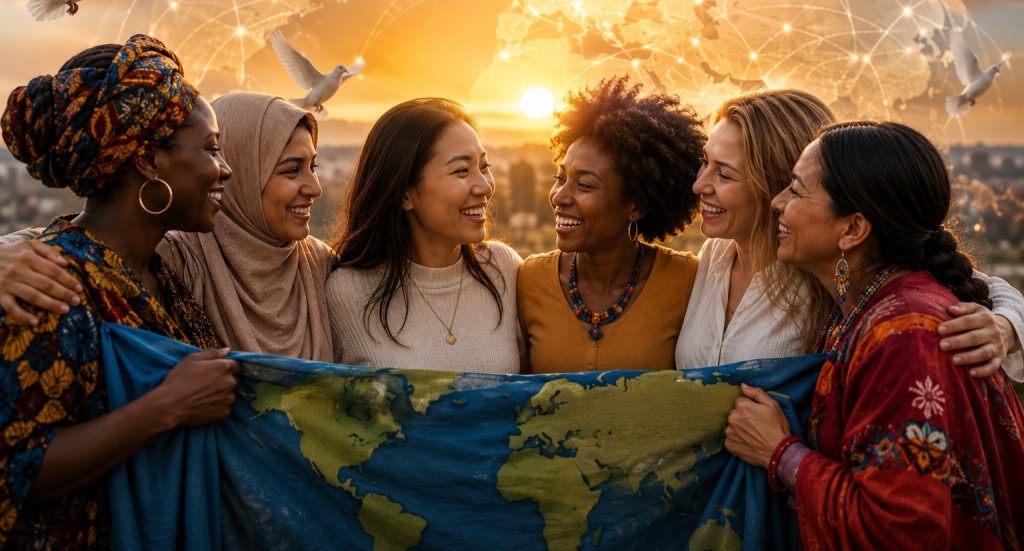
By Blossom Ukoha “Friendship between peoples, countries, cultures and individuals can inspire peace efforts and build bridges between communities.” — United Nations Every year on 30 July, the world celebrates the International Day of Friendship, a United Nations observance established by the UN General Assembly in 2011 to promote friendship among peoples, cultures, and nations as a pathway to peace. At first glance, the day appears to be a universal celebration of human connection. Yet beneath its broad message lies a powerful opportunity to reflect on one of the world’s most transformative forces: the solidarity of women. Although the International Day of Friendship is not a gender-specific observance like International Women’s Day, its values align closely with the global movement for women’s rights, equality, and peacebuilding. The UN’s Culture of Peace framework, which inspired the observance, identifies equality between women and men as one of the essential actions required to…

World Hepatitis Day: Why Protecting Women Is Key to Ending Hepatitis

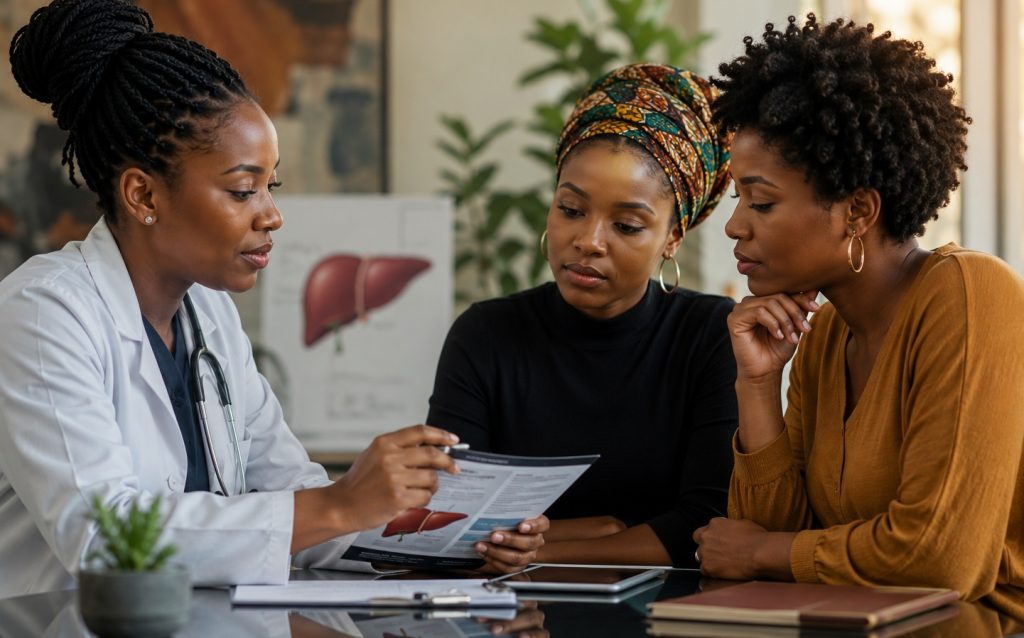
“Health is a fundamental human right.” – World Health Organization A pregnant woman arrives at her first antenatal appointment feeling healthy and excited about the future. She has no symptoms, no pain, and no reason to believe anything is wrong. Yet, without knowing it, she is living with hepatitis B, a silent viral infection that could be passed on to her baby during childbirth. Fortunately, a simple blood test, timely treatment and a vaccine administered within the first twenty-four hours of birth can almost completely prevent that transmission. Her story reflects the urgent message behind World Hepatitis Day 2026, observed annually on 28 July under the theme “Hepatitis: Let’s Break It Down.” The campaign calls on governments, health professionals and communities to break down the financial, social and systemic barriers that continue to prevent millions of people from accessing prevention, testing, treatment and care. For women, this message is especially…

International Chess Day: What Chess Teaches Women About Leadership, Strategy and Success

A young girl sits quietly before a chessboard, her eyes fixed on sixty-four black and white squares. Around her, the room is filled with anticipation. She is the only girl in the competition, facing an opponent with years more experience. She pauses, studies the board and makes her move. It is bold, calculated, and unexpected. Minutes later, she wins. That victory is about far more than chess. It is about confidence overcoming doubt, preparation defeating fear and strategy triumphing over stereotypes. It is a reminder that every woman who dares to think differently has the power to change not only the outcome of a game, but the course of her own life. Every year on 20 July, the world celebrates International Chess Day, marking the founding of the International Chess Federation (FIDE) in 1924. Officially proclaimed by the United Nations General Assembly in 2019, the observance recognises chess as a…

World Day to Combat Desertification and Drought 2026: Must Women Be at the Heart of Restoring Our Planet?

Must women be at the heart of restoring our planet? The evidence suggests that the answer is not only yes, but that achieving meaningful environmental restoration may be impossible without them. As the world marks the World Day to Combat Desertification and Drought on June 17, attention turns once again to one of the most pressing environmental challenges of our time. Established by the United Nations General Assembly in 1994, the observance promotes global action against land degradation, desertification, and drought through the United Nations Convention to Combat Desertification (UNCCD). In 2026, Kenya hosts the global observance, becoming the first African nation in nearly a decade to do so. The theme, “Rangelands: Recognise. Respect. Restore.”, highlights the importance of grasslands, savannas, and drylands that cover more than half of the Earth’s land surface, support approximately 2 billion people, and provide nearly 70% of global livestock feed. Yet according to the…

Can the World End Obstetric Fistula and Restore Dignity for Women?

By Staff Writer Thoraya Ahmed Obaid, former Executive Director of the United Nations Population Fund (UNFPA), once made a powerful statement while advocating for maternal health and safe childbirth: “No woman should die while giving life.” Yet for hundreds of thousands of women around the world, surviving childbirth can still come at a devastating cost. Every year, women and girls emerge from prolonged, obstructed labour with a preventable injury that leaves them incontinent, isolated, and stripped of their dignity. This condition, obstetric fistula, remains one of the clearest indicators of inequality in women’s healthcare and one of the most urgent maternal health challenges of our time. For many women, childbirth is expected to be a moment of celebration, the beginning of a new chapter filled with hope and promise. Instead, for those affected by obstetric fistula, it can become the beginning of years of physical suffering, social exclusion, and…

Women in Blue Helmets: The Growing Force Transforming Global Peacekeeping

By Blossom Ukoha As dawn broke over a remote village in South Sudan, a young mother cautiously approached a United Nations patrol. For months, fear had kept her indoors. Armed conflict had displaced families, disrupted livelihoods, and shattered trust in institutions. But on that day, she walked directly toward a female peacekeeper wearing the iconic blue helmet. The woman listened patiently, spoke with empathy, and helped connect the community to protection services. For the villagers, the presence of women in the peacekeeping force represented more than security; it offered trust, understanding, and hope. This scene reflects a growing reality across conflict zones worldwide. Women peacekeepers are increasingly becoming essential actors in the global pursuit of peace, helping communities rebuild after violence and contributing unique perspectives that strengthen peacekeeping missions. Yet despite their proven impact, women remain significantly underrepresented within United Nations peace operations. United Nations peacekeepers are military personnel, police…

World Health Day 2026: When Women Stand with Science, the World Heals

By Blossom Ukoha There is something profoundly powerful about women shaping the future of health through science not just as caregivers, but as innovators, leaders, and change-makers. As the World Health Organization (WHO) unveils the 2026 theme for World Health Day, “Together for health. Stand with science,” it invites the world into a deeper truth: when women stand with science, entire generations are lifted into healthier, more equitable futures. This year’s theme is more than a global call it is a celebration of collaboration, resilience, and possibility. It champions the One Health approach, recognising that the well-being of people, animals, plants, and our shared environment are intricately connected. But for women and girls across the world, this message carries an even deeper resonance. It speaks to visibility, to equity, and to the urgent need to center women not only as beneficiaries of health systems, but as architects of them. The…