
By Blossom Ukoha
“Friendship between peoples, countries, cultures and individuals can inspire peace efforts and build bridges between communities.” — United Nations
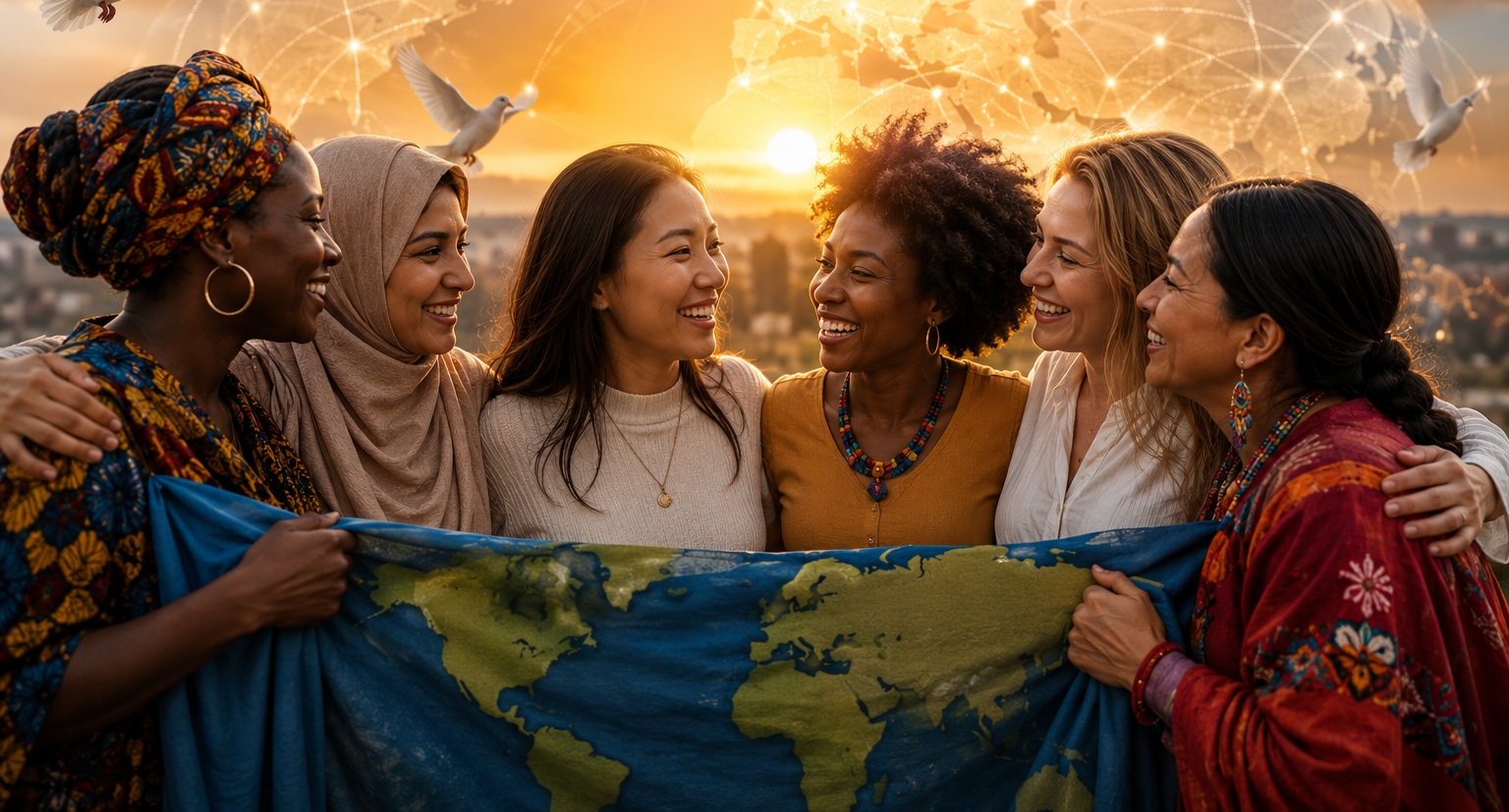
Every year on 30 July, the world celebrates the International Day of Friendship, a United Nations observance established by the UN General Assembly in 2011 to promote friendship among peoples, cultures, and nations as a pathway to peace. At first glance, the day appears to be a universal celebration of human connection. Yet beneath its broad message lies a powerful opportunity to reflect on one of the world’s most transformative forces: the solidarity of women.
Although the International Day of Friendship is not a gender-specific observance like International Women’s Day, its values align closely with the global movement for women’s rights, equality, and peacebuilding. The UN’s Culture of Peace framework, which inspired the observance, identifies equality between women and men as one of the essential actions required to prevent conflict and build peaceful societies. In other words, friendship is more than a personal bond. It is a powerful catalyst for inclusion, resilience, and social change.
Friendship as a Foundation for Peace
The International Day of Friendship encourages dialogue, mutual understanding, respect for diversity, reconciliation, and solidarity among individuals and communities. These are the same principles that underpin successful peacebuilding efforts around the world.
Women have long demonstrated that peace is often built not only in diplomatic halls but also in homes, schools, marketplaces, community centres, and neighbourhood networks. Across cultures, women frequently serve as mediators, caregivers, community organisers, and bridge builders, helping to rebuild trust where conflict has created division.
Their work reflects the very spirit the International Day of Friendship seeks to promote: relationships that transcend differences and create opportunities for cooperation rather than conflict.
Women’s Solidarity Changes Lives
For millions of women worldwide, friendship is far more than companionship. It is a source of emotional support, economic resilience, professional growth, and collective empowerment.
Women’s networks have helped survivors of violence find safety, supported female entrepreneurs in growing businesses, created mentoring opportunities for young professionals, and amplified women’s voices in politics, education, healthcare, and business.
From grassroots community groups to international professional associations, women continue to demonstrate that when they support one another, entire communities benefit. Personal friendships often evolve into collective action, driving campaigns for equal rights, education, healthcare, climate justice, and economic opportunity.
Friendship Across Borders
In an increasingly interconnected world, friendships no longer stop at national borders.
Women activists, journalists, entrepreneurs, researchers, peacebuilders, and human rights defenders collaborate across continents, sharing knowledge, advocating for justice, and strengthening one another’s work. These global networks have become particularly important during humanitarian crises, conflicts, and periods of political instability, allowing women to exchange resources, mobilise support, and advocate for vulnerable communities.
Such cross-cultural friendships challenge stereotypes, reduce prejudice, and foster understanding between societies that may otherwise remain divided.
Young Women Shaping Tomorrow
One of the central goals of the International Day of Friendship is to engage young people as future leaders capable of promoting intercultural understanding and peaceful coexistence.
Young women and girls play a particularly important role in achieving this vision. Programmes that encourage friendship across cultures help develop leadership skills, confidence, empathy, and respect for diversity. They also equip girls to challenge discrimination, reject harmful stereotypes, and become advocates for inclusion within their own communities.
By investing in friendships among young women today, societies cultivate the leaders who will shape more peaceful and equitable futures tomorrow.
Why Friendship Matters More Than Ever
Around the world, women continue to face inequality, discrimination, violence, displacement, and exclusion from leadership. In many societies, they remain underrepresented in political decision-making and formal peace processes, despite their proven contributions to community reconciliation and conflict prevention.
Friendship alone cannot solve these challenges. However, solidarity among women creates the support systems that enable them to overcome barriers, advocate for change, and build stronger, more inclusive societies.
The International Day of Friendship reminds us that meaningful relationships are not simply social connections; they are instruments of peace, equality, and human progress.
A Global Call to Build Bridges
As the world marks another International Day of Friendship, the celebration should extend beyond exchanging greetings and photographs. It should inspire people to build relationships that cross cultures, generations, and communities while strengthening opportunities for women and girls everywhere.
When women champion one another, communities become more resilient. When friendships transcend borders, prejudice gives way to understanding. And when solidarity replaces division, peace becomes more than an aspiration; it becomes a shared reality.
This International Day of Friendship, let us celebrate not only the friendships we cherish but also the power of women supporting women. Because every act of friendship has the potential to build bridges, transform communities, and create a more peaceful and inclusive world for all.





Comments are closed.