
By Blossom Ukoha
“Poverty is not a personal failure; it is a systemic failure, a denial of dignity and human rights.” — António Guterres, United Nations Secretary-General
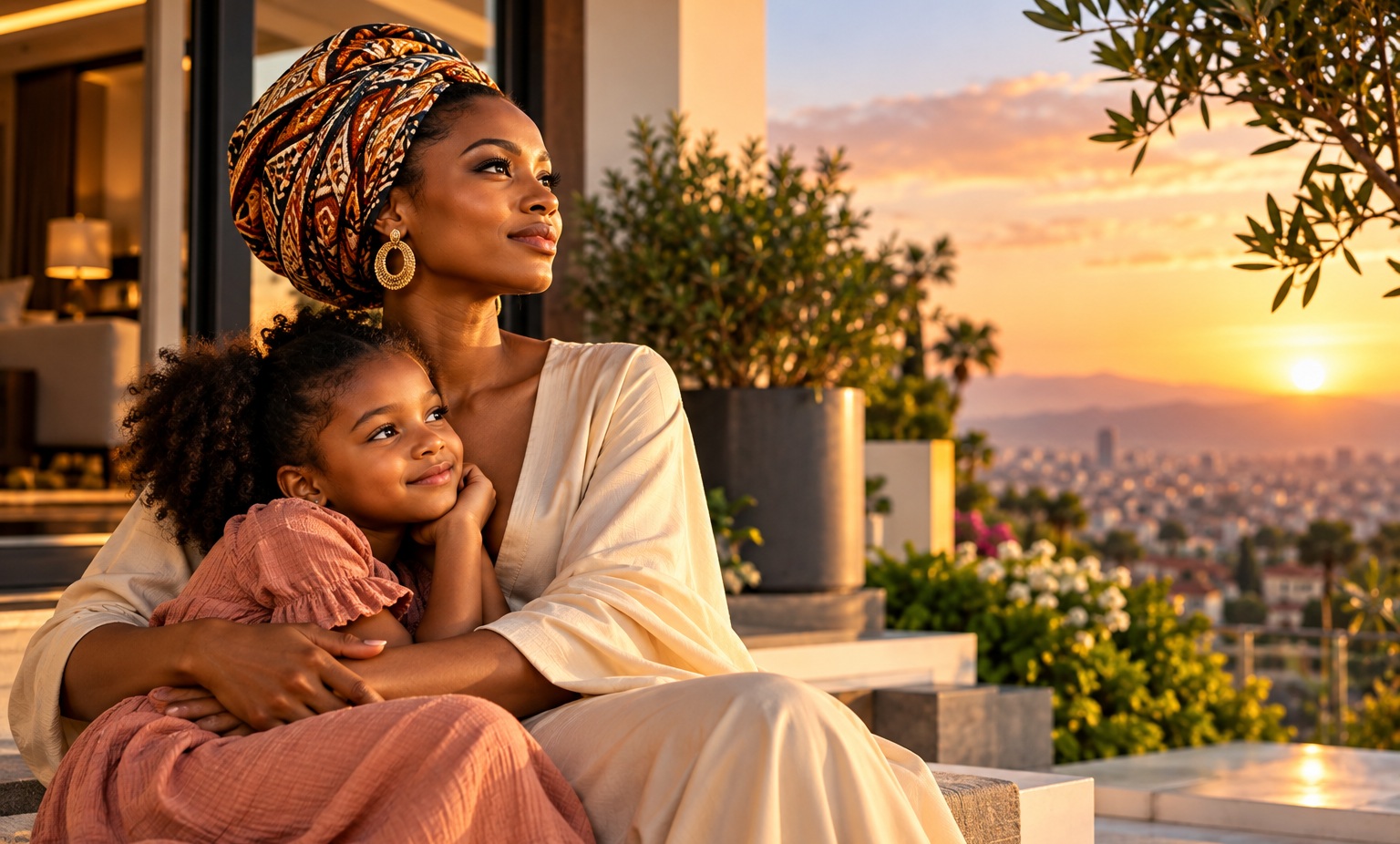
These words from António Guterres, in his message for the 2025 International Day for the Eradication of Poverty, challenge the tendency to view poverty as an individual failing rather than the consequence of structural inequalities. For millions of women and girls, poverty is sustained by limited economic opportunities, inadequate social protection, unequal access to resources and the absence of something fundamental: a safe and secure home.
As the world marks the International Day for the Eradication of Poverty on 17 October 2026, the focus, Safe Homes for All, under the theme United for Peace and Human Rights, presents an important question: can women truly overcome poverty when their homes offer neither security nor stability?
The Gendered Reality of Poverty
Women continue to experience poverty in ways shaped by unequal access to income, property, employment and social protection. According to United Nations estimates, if current trends persist, approximately 351 million women and girls could still be living in extreme poverty by 2030.
In 2024, an estimated 9.9 per cent of women worldwide lived in extreme poverty, compared with 9.5 per cent of men. Women aged 25 to 34 were 25 per cent more likely than men in the same age group to live in extremely poor households. In fragile and conflict-affected settings, women were estimated to be 7.7 times more likely to experience extreme poverty.
These figures reflect structural barriers that often place women at an economic disadvantage. Many combine paid employment with unpaid care responsibilities while facing limited access to finance, land ownership, decent work and leadership opportunities. For women heading households or supporting dependants, a sudden loss of income can quickly become a housing crisis.
The consequences extend beyond the inability to pay rent. Housing insecurity can force women into overcrowded accommodation, expose them to unsafe living conditions or leave them dependent on relationships that threaten their safety and independence.
Why Safe Homes Matter to Women’s Economic Freedom
A home is more than a physical structure. It provides the foundation from which women can pursue education, maintain employment, raise families, establish businesses and participate in their communities.
When housing is unstable, these opportunities become harder to sustain. A woman who faces eviction may struggle to keep her children in school. A small-business owner without secure accommodation may find it difficult to store equipment, manage finances or plan for growth. Women displaced by conflict or climate-related disasters may lose their homes alongside their livelihoods, documents and support networks.
The global scale of the housing challenge is substantial. United Nations estimates indicate that more than 2.8 billion people worldwide experience some form of inadequate housing. Women affected by poverty, displacement and discrimination face additional barriers when trying to secure affordable accommodation and protect their property rights.
A woman cannot fully exercise her economic choices when her safety and shelter remain uncertain. Secure housing gives women a stronger foundation for building financial independence and making decisions about their futures. It also supports the stability families need to recover from economic shocks and break cycles of disadvantage.
Safe housing must therefore be recognised as an essential component of poverty eradication, not a secondary benefit to be considered after economic progress has been achieved.
Beyond Shelter: The Need for Social Protection
Housing alone cannot eliminate poverty. Women also need reliable systems that protect them during pregnancy, unemployment, illness, disability and other periods of financial vulnerability.
Around two billion women and girls worldwide lack access to any form of social protection. More than 63 per cent of women globally give birth without maternity benefits, with the proportion reaching approximately 94 per cent in sub-Saharan Africa.
Without adequate support, women may be forced to choose between caring for a newborn and earning an income, or between paying for accommodation and meeting other household needs. Such choices reveal how poverty is reinforced when essential support systems fail to respond to women’s realities.
Food insecurity adds another burden. In 2024, approximately 64 million more adult women than men experienced moderate or severe food insecurity. Climate change also threatens to deepen existing inequalities, particularly for women whose livelihoods depend on climate-sensitive agriculture, informal trade and other vulnerable sources of income.
These challenges require an integrated response. Affordable housing must be supported by decent employment, accessible healthcare, maternity protection, education, food security and financial inclusion.
From Survival to Economic Power
Women should not be defined solely by the hardships they face. Across communities and economies, they create businesses, sustain households, develop solutions and contribute to national development. Yet their potential remains constrained when they lack the security and resources required to turn their work into lasting prosperity.
Closing the gender digital divide offers one opportunity to expand women’s economic participation. Estimates suggest that doing so could help lift 30 million women and girls out of poverty by 2050 and generate approximately US$1.5 trillion in global gross domestic product by 2030.
However, digital access and entrepreneurship cannot replace secure housing, fair employment or social protection. Women need an enabling environment in which their efforts can produce sustainable gains. This includes stronger property rights, access to affordable finance, investment in women-led enterprises and meaningful representation in decisions about housing and economic development.
The goal must be to move women beyond survival towards ownership, influence and economic power.
Let’s Make Safe Homes Part of the Poverty Agenda
On this International Day for the Eradication of Poverty, Amazons Watch Magazine calls on governments, businesses, development institutions and civil society organisations to place women’s housing security at the centre of poverty-eradication strategies.
Governments must strengthen affordable housing policies, protect women against housing discrimination and expand social protection. Financial institutions and businesses should improve access to inclusive financial services, decent employment and opportunities for women to build sustainable livelihoods. Community organisations must also receive support to address violence, housing insecurity and the barriers preventing women from accessing essential services.
Progress must be measured not only by income levels but also by whether women can live safely, retain control over their resources, access decent work and participate in decisions that shape their futures.
A world committed to ending poverty cannot overlook the conditions in which women live. Safe and secure homes do not, by themselves, eliminate poverty, but they provide a critical foundation for women to exercise their rights, build wealth and contribute fully to society.
The question is not simply whether women can escape poverty without safe and secure homes. It is whether governments, institutions and communities are prepared to build the systems that make economic security possible.




Comments are closed.