By Blossom Ukoha
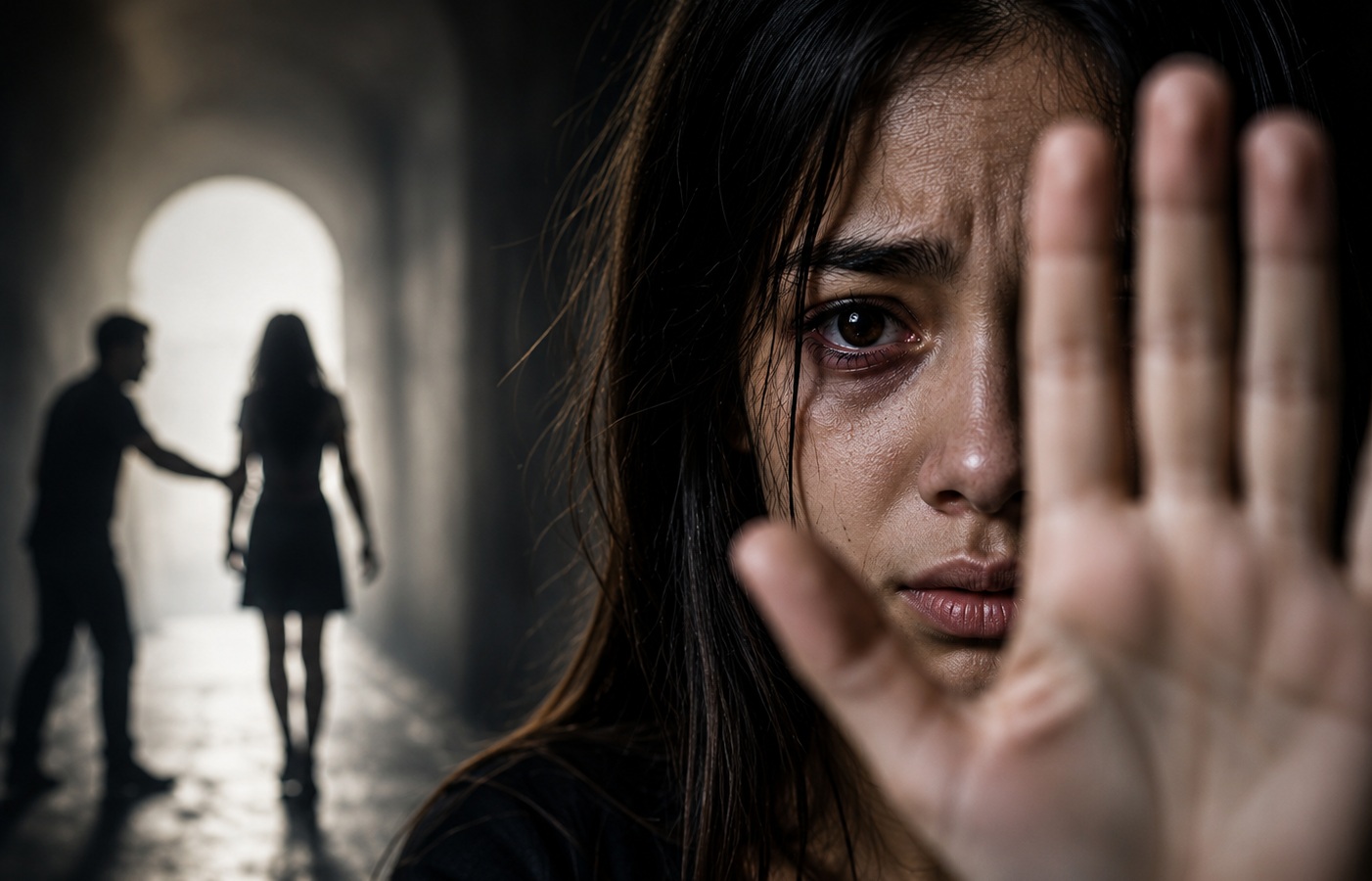
“She thought she was boarding a bus to a better future. Instead, she was travelling into a nightmare.”
This is how countless trafficking stories begin. A young woman accepts what appears to be a legitimate job abroad. A teenage girl is promised education or financial stability. A mother, desperate to support her family, believes in an opportunity that seems too good to be refused. What begins with hope too often ends in exploitation, violence, and the stripping away of freedom. Behind every statistic is a human life whose dreams were manipulated through deception, coercion, or force.
This is why the World Day Against Trafficking in Persons, observed annually, exists. Proclaimed by the United Nations General Assembly in 2013 through Resolution A/RES/68/192, the day raises global awareness of human trafficking, strengthens protection for victims, and reinforces international efforts to combat one of the fastest-growing forms of organised crime.
Human trafficking is a global crime that knows no borders. It affects countries of origin, transit, and destination alike. Yet women and girls continue to bear a disproportionate burden of this crisis, making gender equality central to any meaningful response.
A Global Crime Hidden in Plain Sight
The Palermo Protocol defines human trafficking as the recruitment, transportation, transfer, harbouring, or receipt of persons through force, fraud, deception, coercion, abuse of vulnerability, or other forms of control for the purpose of exploitation. This exploitation can take many forms, including sexual exploitation, forced labour, slavery, forced begging, forced marriage, criminal activity, and even organ removal.
To address this growing threat, the United Nations adopted the Global Plan of Action to Combat Trafficking in Persons in 2010, established the UN Voluntary Trust Fund for Victims of Human Trafficking, and strengthened cooperation among agencies such as UNODC, UN Women, UNICEF, IOM, UNHCR, and the International Labour Organization. These efforts align with the Sustainable Development Goals, particularly those aimed at ending modern slavery, forced labour, and human trafficking.
The Numbers behind the Crisis
The latest UNODC Global Report on Trafficking in Persons reveals a deeply troubling reality.
Between 2020 and 2023, more than 200,000 victims were officially detected worldwide, though experts agree the true number is far higher. In 2022, global detections rose by approximately 25 percent compared to pre-pandemic levels, reflecting both increased vulnerability and improved reporting.
Women and girls remain the most affected. They account for about 61 percent of detected victims globally, with adult women representing roughly 39 percent and girls around 22 percent. Together, they make up the vast majority of victims trafficked for sexual exploitation, which accounts for approximately 90 percent of such cases worldwide.
Children now represent about 38 percent of all detected victims, with the number of trafficked girls increasing significantly in recent years. These figures underscore a harsh truth: traffickers deliberately target those with the least protection and the greatest vulnerability.
While forced labour has become the most commonly detected form of trafficking, accounting for around 42 percent of cases, sexual exploitation remains widespread at approximately 36 percent. Other forms include forced criminality, forced marriage, forced begging, and organ trafficking.
Trafficking Is Evolving
Human trafficking is rapidly adapting to new technologies and global criminal networks.
The 2026 World Day Against Trafficking in Persons theme, “Trapped Behind the Scam,” highlights the rise of trafficking for forced criminality. Thousands of victims are now lured through fake job offers and transported to scam compounds, where they are forced to carry out large-scale online fraud under threats of violence and abuse.
In East and South-East Asia alone, these operations generated an estimated US$18–37 billion in illicit profits in 2023, showing how trafficking has become deeply intertwined with global cybercrime and digital exploitation.
Women and Girls Face Unique Risks
Gender inequality remains one of the strongest drivers of human trafficking.
Poverty, discrimination, unemployment, conflict, displacement, limited education, and weak legal protections all increase vulnerability. During humanitarian crises, women and girls are often among the first targeted, as traffickers exploit instability and broken systems with false promises of work, marriage, education, or safety.
In conflict-affected regions, the collapse of institutions creates fertile ground for exploitation. Survivors frequently endure not only physical abuse but also long-term psychological trauma, social stigma, and economic exclusion long after escaping their traffickers.
Justice Still Lags Behind
Despite growing global cooperation, accountability remains limited.
Approximately 74 percent of traffickers operate within organised criminal networks, making investigations complex and transnational. Victims from 162 nationalities have been trafficked into 128 countries, demonstrating the truly global scale of the crime.
Although convictions increased by about 36 percent between 2020 and 2022, prosecution rates remain far below the scale of trafficking activity, particularly in cases involving forced labour. Around 70 percent of those investigated, prosecuted, or convicted are men.
The challenge is no longer awareness; it is enforcement. Strengthening prevention, protecting survivors, dismantling criminal networks, and ensuring justice keeps pace with evolving trafficking methods is now urgent.
Protecting Survivors Means Protecting Human Rights
The United Nations continues to stress that survivors must never be punished for crimes they were forced to commit under traffickers’ control. Instead, responses must prioritise victim-centered approaches: early identification, medical and psychological care, legal assistance, rehabilitation, and long-term reintegration support.
Increasingly, survivors are also becoming advocates, helping shape policies, expose trafficking methods, and guide prevention strategies that protect future victims.
A Collective Responsibility
Human trafficking thrives where vulnerability is high and accountability is weak. Ending it requires more than legislation. It demands international cooperation, financial investigations that dismantle criminal networks, responsible use of technology, public awareness, and sustained investment in reducing poverty, inequality, and displacement.
On this World Day Against Trafficking in Persons, the message is clear: no woman or girl should ever be for sale. Protecting their dignity, freedom, and future is not optional, it is a shared moral and legal responsibility.
Because every trafficked woman was once someone with dreams, ambitions, and a future worth protecting. And it is the world’s responsibility to ensure those dreams are never stolen.





Comments are closed.