By Staff Writer
Thoraya Ahmed Obaid, former Executive Director of the United Nations Population Fund (UNFPA), once made a powerful statement while advocating for maternal health and safe childbirth: “No woman should die while giving life.” Yet for hundreds of thousands of women around the world, surviving childbirth can still come at a devastating cost. Every year, women and girls emerge from prolonged, obstructed labour with a preventable injury that leaves them incontinent, isolated, and stripped of their dignity. This condition, obstetric fistula, remains one of the clearest indicators of inequality in women’s healthcare and one of the most urgent maternal health challenges of our time.
For many women, childbirth is expected to be a moment of celebration, the beginning of a new chapter filled with hope and promise. Instead, for those affected by obstetric fistula, it can become the beginning of years of physical suffering, social exclusion, and emotional trauma. Despite being almost entirely preventable and treatable, obstetric fistula continues to affect some of the world’s most vulnerable women and girls, particularly in sub-Saharan Africa and parts of Asia.
As former UN Women Executive Director Phumzile Mlambo-Ngcuka once observed, “Women’s health and rights are the foundation of strong families, communities and economies.” The continued existence of obstetric fistula reminds us that far too many women are still being denied those rights.
The Hidden Burden Behind Childbirth
Obstetric fistula is an abnormal opening between the birth canal and the bladder or rectum, usually caused by prolonged obstructed labour without timely medical intervention, particularly emergency obstetric care such as a cesarean section.
The injury leaves women with chronic leakage of urine or feces, often accompanied by infections, pain, and other health complications. Yet the physical effects are only part of the story.
For many women, the condition becomes a source of shame and stigma. They are abandoned by spouses, excluded from community activities, and forced into isolation because of a condition that is entirely preventable.
Unlike many global health issues that dominate headlines, obstetric fistula remains largely invisible. It disproportionately affects women who are already marginalized by poverty, limited education, inadequate healthcare systems, and gender inequality.
The Numbers Behind the Crisis
According to the United Nations and UNFPA, approximately 500,000 women and girls are currently living with obstetric fistula worldwide. Although this represents significant progress compared to earlier decades, the challenge remains immense.
The United Nations estimates that up to 100,000 new cases occur every year, primarily in regions where access to quality maternal healthcare remains limited.
A landmark study published in The Lancet Global Health in 2025 estimated that approximately 386,000 women aged 15 to 49 years and 457,000 women aged 15 to 64 years are currently living with the condition globally. The research also found that prevalence rates in sub-Saharan Africa are nearly twice as high as those in Asia.
Perhaps the most heartbreaking statistic is that approximately 90 percent of pregnancies associated with obstetric fistula end in stillbirth. Many women must cope not only with the trauma of childbirth injury but also with the devastating loss of a child.
Globally, an estimated 97 percent of fistula cases occur in sub-Saharan Africa and the Asia-Pacific region, highlighting the disproportionate burden carried by women in low-resource settings.
When Survival Comes with a Heavy Price
The consequences of obstetric fistula extend far beyond the delivery room.
Women living with untreated fistula often face divorce, abandonment, discrimination, and exclusion from social and economic activities. Some lose their livelihoods. Others withdraw from public life altogether.
The psychological impact can be equally devastating. Feelings of shame, anxiety, depression, and loss of self-worth are common among survivors.
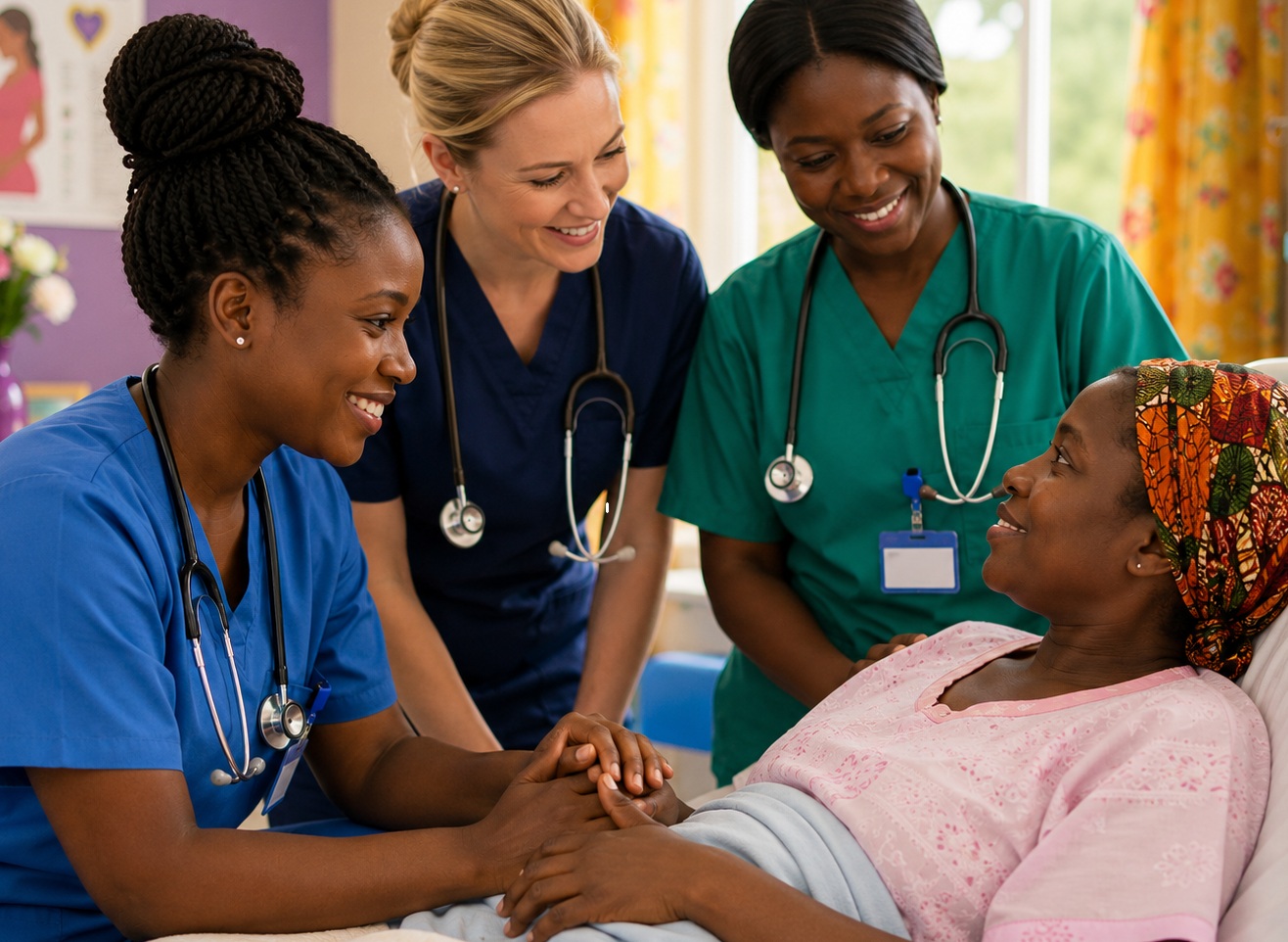
What makes these stories particularly tragic is that most cases occur because women lack access to services that many others take for granted: skilled birth attendants, emergency cesarean sections, and quality maternal healthcare.
Obstetric fistula is therefore more than a medical condition. It is a reflection of systemic inequalities that continue to place women’s lives and well-being at risk.
Healing Bodies, Restoring Lives
The good news is that an obstetric fistula is highly treatable.
A surgical repair can often restore continence and dramatically improve a woman’s quality of life. Since launching the Campaign to End Fistula in 2003, UNFPA has supported more than 153,000 fistula repair surgeries worldwide.
But true healing extends beyond surgery.
Women who have lived with a fistula often require psychological support, skills training, economic empowerment opportunities, and community reintegration programs. Recovery is about restoring confidence, rebuilding relationships, and helping women reclaim their place in society.
As Nafis Sadik, former Executive Director of UNFPA, once stated, “Every woman has the right to survive pregnancy and childbirth.” That right must also include the right to recover with dignity.
Women Leading the Fight Against Fistula
Across the globe, courageous women are leading efforts to eliminate obstetric fistula and support survivors.
From Survivor to Advocate
Sharon Korir of Kenya understands the devastating impact of obstetric fistula firsthand. As a survivor and founder of Save a Woman Fistula Foundation, she has dedicated her life to raising awareness, supporting survivors, and advocating for better maternal healthcare.
Her journey from survivor to changemaker demonstrates the extraordinary resilience of women who transform personal pain into collective action.
Restoring Hope Through Healthcare
In Ghana, Dr. Amina Sani Ture continues to change lives through her work as an obstetric gynecologist at the Upper West Regional Hospital.
Beyond performing life-changing surgeries, she champions community education, early reporting, and stigma reduction while advocating for stronger maternal health systems.
Building Global Partnerships
At the international level, Lindsey Pollaczek, Chief Partnerships Officer at the Fistula Foundation, works to strengthen collaborations and mobilize resources that support treatment programs across Africa and Asia.
Alongside her, Pam Lowney, CEO of the Fistula Foundation, has helped expand access to life-changing surgeries. In 2025 alone, the organization supported more than 19,000 surgeries, offering hope to thousands of women and families.
The Unsung Heroines Among Us
Beyond the headlines are thousands of women whose names may never appear in reports or awards ceremonies.
Midwives, nurses, community health workers, and survivor advocates across Nigeria, Ethiopia, South Sudan, Kenya, Ghana, and many other countries work tirelessly every day to prevent obstetric fistula and care for affected women.
Their dedication saves lives, protects mothers, and strengthens entire communities.
Prevention Is the Most Powerful Cure
Experts agree that obstetric fistula can be virtually eliminated.
The solution lies in ensuring access to skilled birth attendants, emergency obstetric care, comprehensive reproductive health services, girls’ education, and efforts to end child marriage.
Many countries have already developed national strategies aimed at preventing and treating fistula. However, shortages of trained healthcare workers, limited access to cesarean sections, inadequate healthcare infrastructure, and persistent stigma continue to slow progress.
Ending obstetric fistula by 2030 aligns directly with the Sustainable Development Goals on maternal health, gender equality, and universal healthcare access.
What We Demand!
Every woman deserves a safe pregnancy, safe childbirth, and the opportunity to live with dignity afterward.
Governments, healthcare institutions, development partners, and communities must invest in maternal healthcare systems, support midwives and frontline health workers, strengthen emergency obstetric services, and expand access to education for girls.
Communities must also challenge stigma and embrace survivors with compassion and support.
Ending obstetric fistula is not simply a health priority. It is a matter of justice, equality, and human dignity.
A Future Where No Woman Is Left Behind
Graça Machel’s words capture the essence of the global movement to end obstetric fistula: “When women are healthy and educated, their families flourish, their communities prosper, and nations thrive.” Her statement underscores the importance of restoring the health, dignity, and rights of women as a foundation for stronger communities and sustainable development.
A future free from fistula is possible. The knowledge exists. The treatment exists. The solutions exist.
What remains is the collective will to ensure that no woman suffers from a condition that modern healthcare can prevent and treat.
By investing in women’s health, empowering girls, and supporting the courageous advocates working on the frontlines, we can build a world where childbirth is a moment of joy, not a lifetime of suffering.
And in that world, every woman will have the opportunity not only to survive childbirth but also to thrive beyond it.




Comments are closed.