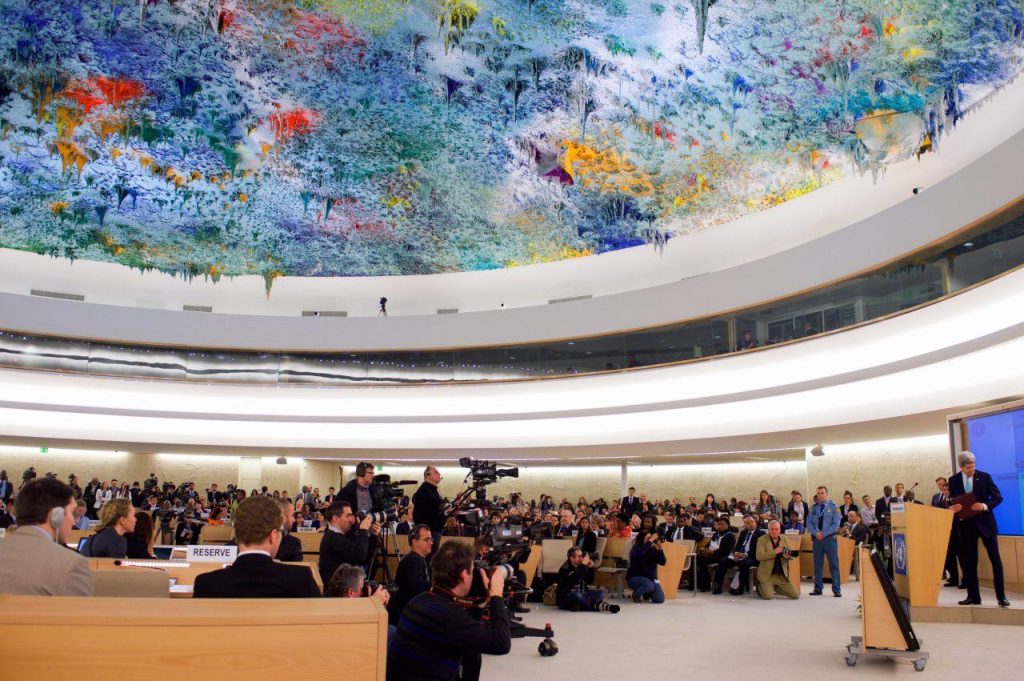
The Human Rights Council this afternoon held a clustered interactive dialogue with Dubravka Šimonović, Special Rapporteur on violence against women, its causes and consequences, and Maria Grazia Giammarinaro, Special Rapporteur on trafficking in persons, especially women and children. Ms. Šimonović said that her thematic report analysed 25 years of the mandate, the current challenges, and the way forward. The global context of women’s rights was marked by a rise in various women’s movements across the world which called for an end to gender-based violence against women and girls. At the same time, she said, there was a mounting backlash against women’s rights and a rise in retrogressive movements, confirming the endemic and widespread nature of violence against women and its normalization in all areas of public and private lives. The momentum linked to the upcoming Beijing+25 review and the five-year review of the Sustainable Development Goal 5 must be used…
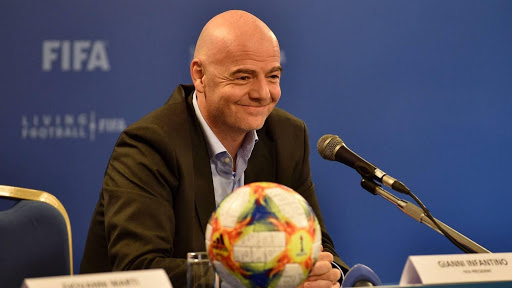
FIFA President Seeks Assurances for Women-Spectators ahead of 2022 World Cup in Iran
The president of the Fédération Internationale de Football Association, FIFA, Gianni Infantino has requested assurances from the Iranian Football Federation that women will be allowed to attend 2022 World Cup qualifiers. According to the BBC Sport, Infantino who wrote to the Football federation also expresses his disappointment that Iran has gone back on its commitment to open up stadiums. Last October, female fans were allowed into a match in Tehran for the first time following a 40-year ban. In November, hundreds of women also attended an Asian Champions League final match which saw local team Persepolis lose to Japan’s Kashima Antlers. But Infantino said in the letter it was “disappointing” to learn that fans were turned away from Iran’s friendly match with Syria on 6 June and that a number of fans were detained by authorities. Writing to Iranian Football Federation president Medhi Taj, he said: “This is not in…
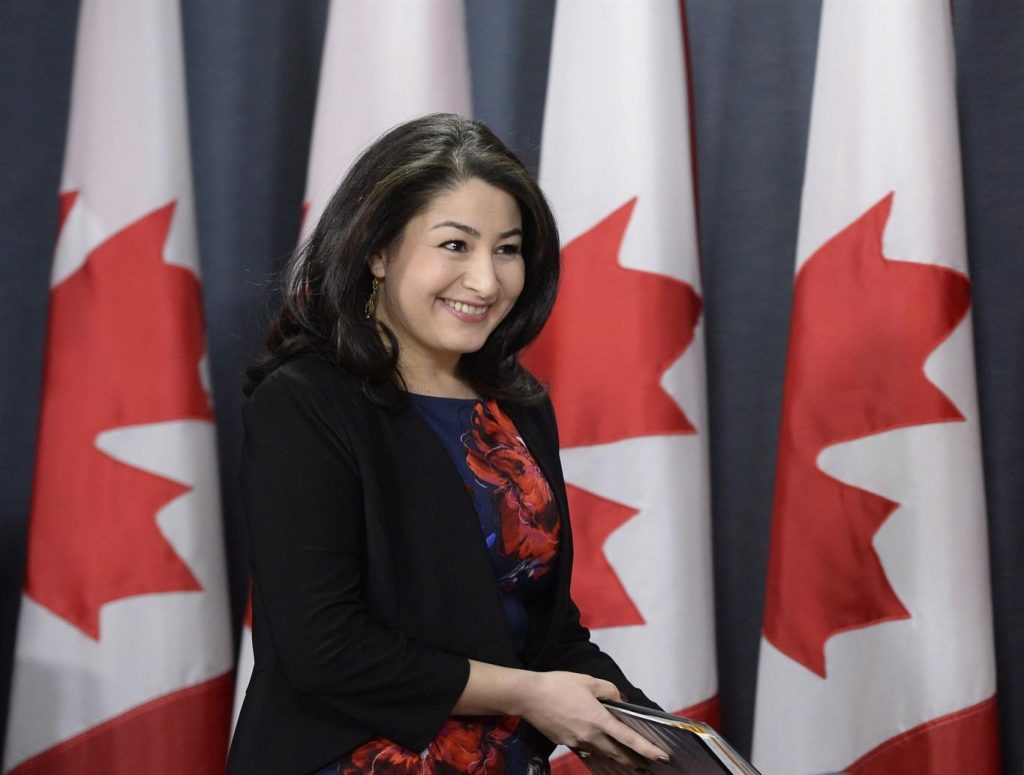
Canada Invest $300-Million for Women’s Equality in Canada and Developing Countries
Canada’s minister of gender equality has announced a new initiative aimed at creating a sustainable model to fund women’s rights organizations in developing countries and at home. Maryam Monsef said the Equality Fund brings together 11 organizations from the philanthropic, non-profit and financial sectors, including the Canada-based Match International Women’s Fund, the African Women’s Development Fund and Oxfam Canada. “This is the first time that we are seeing a collaboration of this kind to advance gender equality in Canada and around the world,” Monsef said after her announcement Sunday. The federal government has invested $300 million through the fund specifically for women in the developing world, said Monsef, who is in Vancouver this week to attend the Women Deliver conference, which is expected to draw thousands of advocates for gender equality. The purpose of the fund is “to ensure that funding flows to those organizations on the ground who are doing…
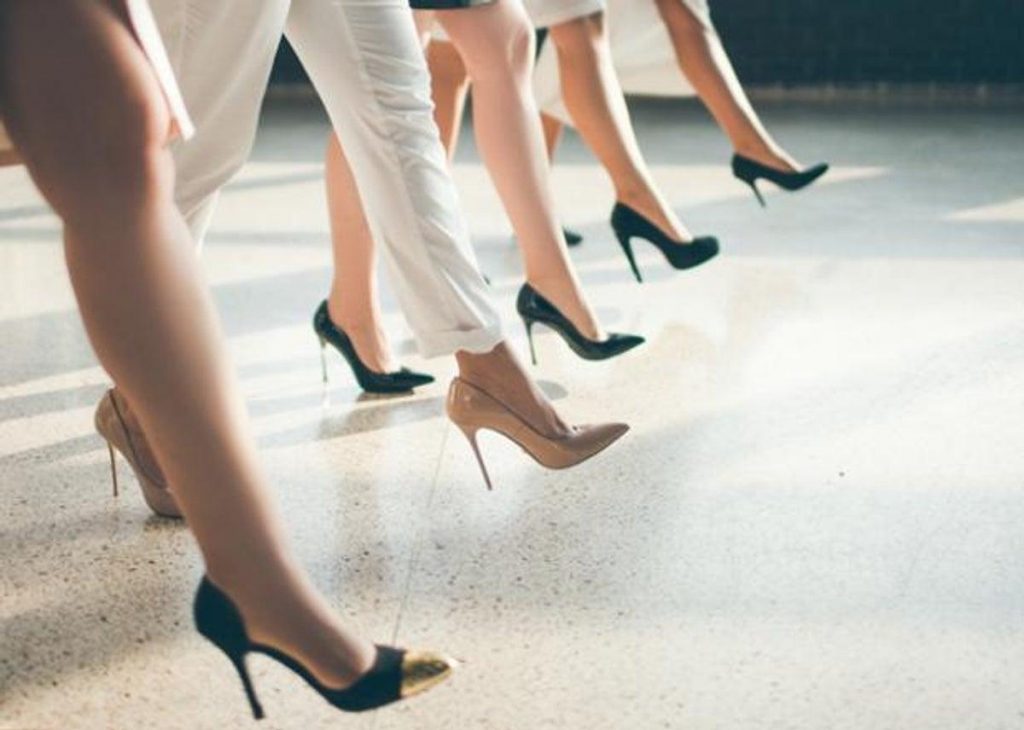
Women in Japan Filed Petition Against “Compulsory Heels at Work”
Campaigners urge government to ban employers from forcing footwear on female staff A group of Japanese women have submitted a petition to the government to protest against what they say is a de facto requirement for female staff to wear high heels at work. The KuToo campaign – a play on words from the Japanese kutsu, meaning shoes, and kutsuu, meaning pain – was launched by the actor and freelance writer Yumi Ishikawa and quickly won support online. Campaigners said wearing high heels was considered to be near-obligatory when job hunting or working at many Japanese companies. Ishikawa told reporters after meeting labour ministry officials: “Today we submitted a petition calling for the introduction of laws banning employers from forcing women to wear heels as sexual discrimination or harassment.” The actor explained how a government official had told her she “was a woman and sympathetic to our petition … and…
Zambia Government to Address Gender Equality
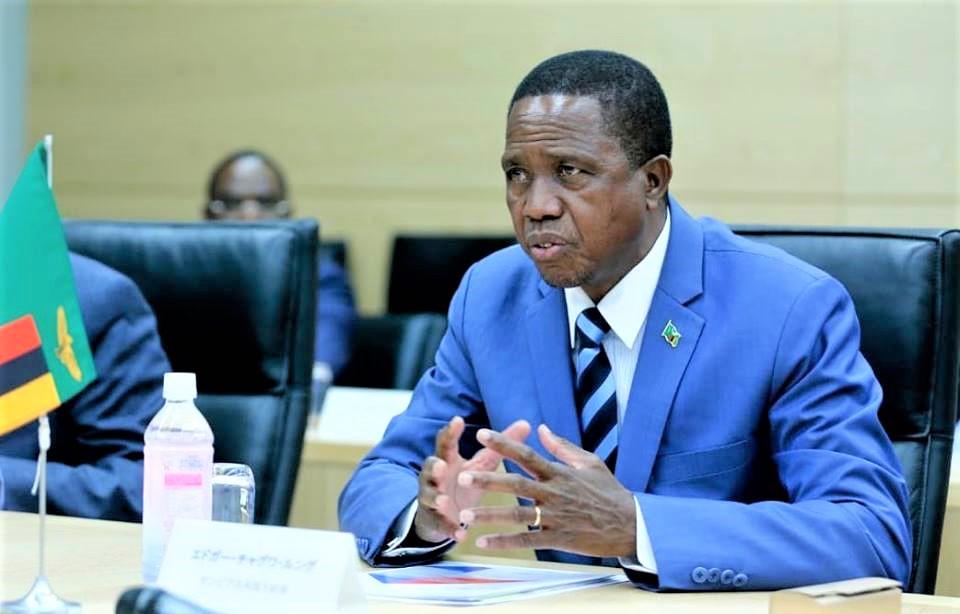
In pursuit of gender equality in Africa, the president of Zambia, Edgar Lungu has said that his government will set up a Gender and Equity Commission that will address the many challenges facing women including gender inequalities. The President said documents such as the National Gender Policy of 2014 and the Anti-Gender Based Violence Act number 1 of 2011 require further support to yield the required results. He said there is also need for revolutionary thinking in tackling gender inequalities which have continued to overshadow the progress of women. President Lungu said women are still facing a lot of social injustices such as lack of access to finances, fair justice and access to land among other issues. He was speaking when he officiated at this year’s International Women’s Day which is being celebrated under the theme: Think Equal, Build Smart, Innovate for Change. And Gender Minister Elizabeth Phiri has reaffirmed support to…
Latin America’s Female Leaders Seek to Make Up for Setback in Roles
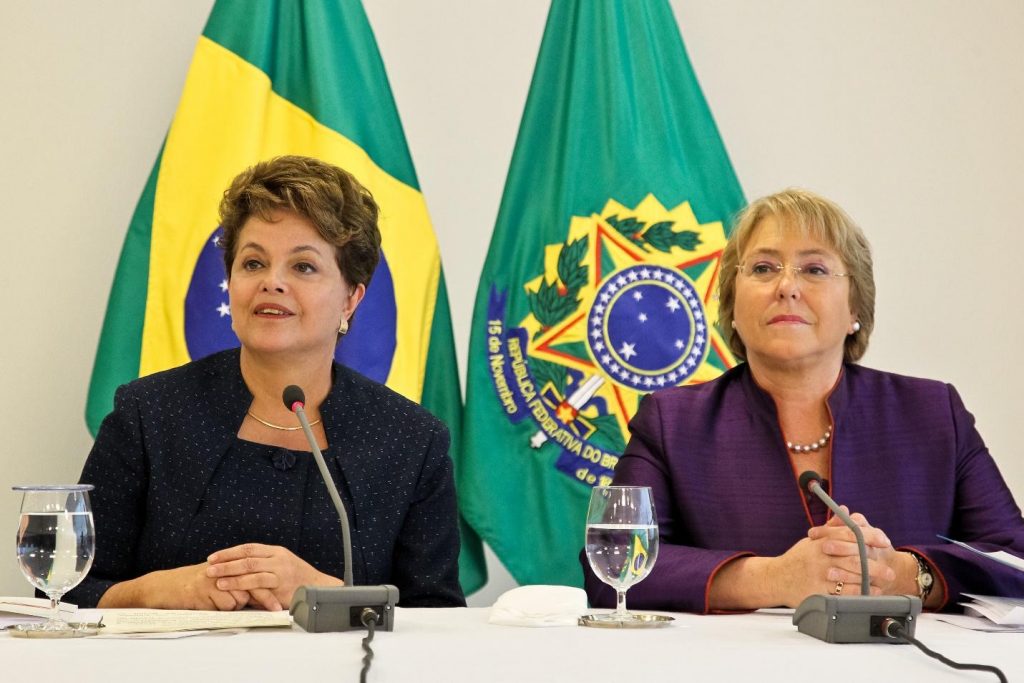
Not long ago, in 2014, Latin America had four female presidents: Laura Chinchilla in Costa Rica, Cristina Fernández de Kirchner in Argentina, Dilma Rousseff in Brazil and Michelle Bachelet in Chile. Today, there are none, and leaders in the region are pushing for more women to secure top leadership positions so that gains in the political arena are not lost. Three female Latin American leaders — Peruvian Vice President Mercedes Aráoz, Honduran Vice President Olga Alvarado and Bogota Councilwoman Angela Garzón — spoke on the issue Friday at Ana. G. Mendez University in Miami. They shared their experiences as women in politics and analyzed advances and setbacks of gender in leadership roles throughout international organizations, and national and local governments. Though there are currently no female heads of state in Latin America, there are several vice presidents and there is an increase of women in parliamentary bodies. “The empowerment of…
UNICEF and UNFPA join hands to support women, girls and children in Venezuela
The United Nations Children’s Fund (UNICEF) and the United Nations Population Fund (UNFPA) today signed a collaboration agreement to strengthen their cooperation in response to the humanitarian needs of children, adolescents, mothers and pregnant women in Venezuela. In the past months, both United Nations agencies have been scaling up their humanitarian aid and development programs in Venezuela. Through this agreement, UNICEF and UNFPA will share information and technical resources in essential areas such as health, nutrition, child protection, water, hygiene and gender-based violence (GBV). Their strengthened collaboration will help meet the needs of children, adolescents and women more effectively. “The situation in Venezuela urgently requires United Nations agencies to increase their cooperation in a coordinated and effective manner,” said Maria Cristina Perceval, UNICEF Regional Director for Latin America and the Caribbean. “This agreement will allow UNICEF and UNFPA to work together to reach more children and pregnant women with coordinated…