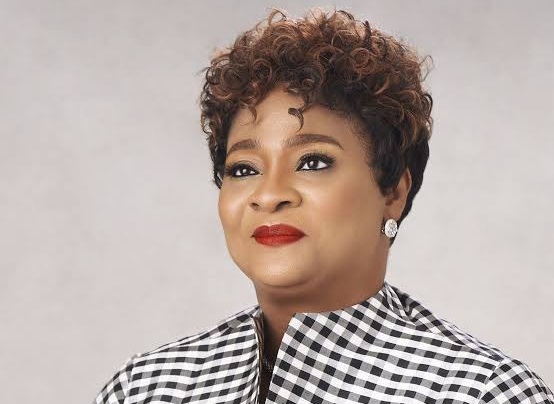
By Blossom Ukoha On 23 January 2025, Arunma Oteh stood at Saïd Business School, University of Oxford, to launch All Hands on Deck, the book she wrote about how world-class capital markets can help nations, companies and individuals create lasting prosperity. The occasion was part of a two-day celebration of her 60th birthday, which she marked on 24 January. It was a fitting setting for a woman whose career has been defined by capital, institutions and economic development. From Nigeria’s financial markets to the African Development Bank, from the Securities and Exchange Commission to the World Bank Treasury, Oteh has spent decades operating at some of the most consequential levels of African and international finance. Yet her journey to those rooms began without a powerful title. It began with a young Nigerian woman choosing computer science at a time when relatively few women were entering the field and developing the…
8 Cash-Flow Mistakes That Can Kill a Woman-Owned Business in Year One
“Never take your eyes off the cash flow because it’s the lifeblood of business.” — Sir Richard Branson What happens when a woman builds a promising business, wins customers and generates revenue—but still does not have enough cash to pay the bills? For many women entrepreneurs, this is not simply an accounting problem. It can determine whether a promising venture survives long enough to grow. Women are launching businesses across technology, finance, retail, professional services, agriculture, healthcare and the creative economy. Yet starting a business is only the first step. The ability to manage cash between earning revenue and paying expenses can determine whether that business remains viable. About one in five new U.S. private-sector businesses closes within its first year, according to analyses of Bureau of Labor Statistics data. By the fifth year, roughly half have closed. Meanwhile, the frequently cited U.S. Bank research has estimated that cash-flow problems…
The Burnout Trap: Female Leaders Are Learning That Slowing Down Is a Leadership Strength
By Janet Coin “What is expected of leaders is judgment, not sheer stamina.” — Arianna Huffington, Founder and CEO of Thrive Global For years, women have been taught that strong leadership means enduring more, doing more and carrying more. But as burnout continues to affect women in senior positions at disproportionately high rates, a different understanding of leadership is emerging. Increasingly, female executives, entrepreneurs, political leaders and professionals are recognising that slowing down is not necessarily a sign of weakness or reduced ambition. It can be a deliberate strategy for protecting judgement, creativity, wellbeing and long-term impact. The shift is significant because women have traditionally faced a unique combination of professional and personal expectations. They are often expected to excel in their careers while also carrying substantial responsibilities at home and providing emotional support to colleagues, teams and families. As conversations around workplace wellbeing become more prominent, women are beginning…
Celebrating the Extraordinary Life of Dolly Parton: 8 Things to Know About the Woman Behind the Legend
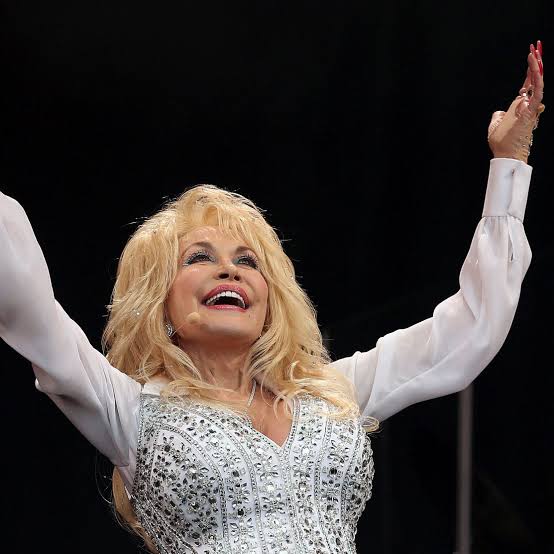
By Blossom Ukoha What happens when a girl born into poverty refuses to let her circumstances define the size of her dreams? For Dolly Rebecca Parton, the answer was extraordinary. She became one of the world’s most beloved entertainers, a prolific songwriter, a shrewd entrepreneur and a philanthropist whose generosity reached millions. Born on January 19, 1946, in a one-room cabin in Locust Ridge, near Pittman Center, Tennessee, Dolly was the fourth of 12 children in a poor Appalachian farming family. Her father, Robert Lee Parton, was a tobacco farmer who could not read or write, while her mother, Avie Lee, filled the home with traditional ballads and hymns. There was little money, but there was music. And from those humble beginnings, Dolly built a remarkable life that stretched across music, film, business and philanthropy. Dolly died on August 25, 2026, at the age of 80, in Nashville, Tennessee, following…
Europe’s Trade Reset: What It Means for Women in Business
By Blossom Ukoha For a woman running a small business in Europe, a change in trade policy can begin with something deceptively simple: an email from a supplier, a new customs requirement or a contract asking for information her company has never had to provide before. Behind that seemingly routine paperwork is a much bigger transformation. Europe is rethinking how it trades with the world. Trade is no longer being treated simply as a question of lowering tariffs and opening markets. Increasingly, the European Union is connecting trade to economic security, supply-chain resilience, climate policy, digital transformation and geopolitical competition. For women entrepreneurs, that shift creates new opportunities—but also raises the cost of being ready to compete. Europe’s New Trade Reality The European Union is pursuing a more assertive trade strategy as businesses navigate geopolitical tensions, supply-chain disruptions and the accelerating green transition. Brussels is strengthening relationships with strategic partners…
Linda Quaynor Rises to UBA Ghana’s Board Chair in Historic First
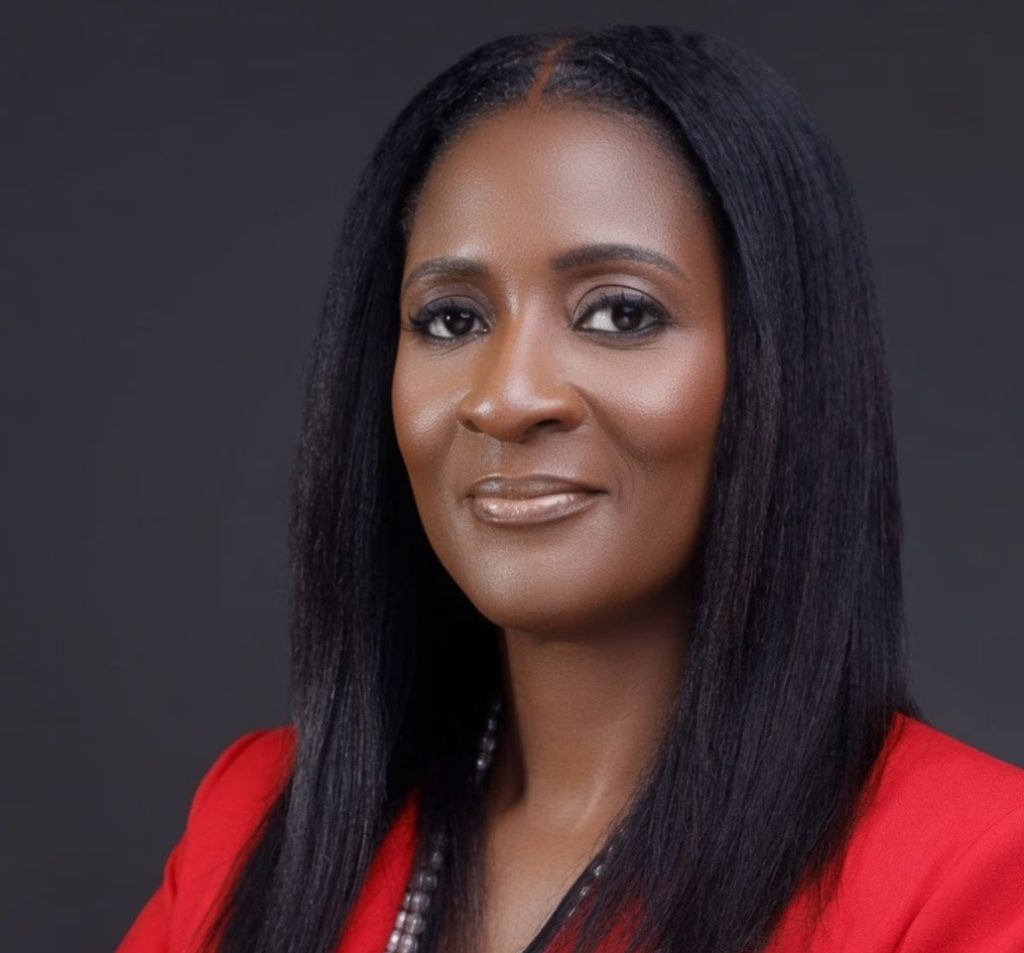
By Blossom Ukoha There is a particular moment in a career when experience stops being measured by the number of positions held and begins to be measured by the weight of responsibility entrusted to you. For Linda Naa Dzama Quaynor, that moment came on 24 August 2026, when years spent navigating consulting, financial services, public policy and corporate strategy culminated in a historic appointment: becoming the first woman to chair the Board of UBA Ghana. Her appointment is significant not simply because she is the first woman to occupy the position. It is also a reflection of a career built across industries, institutions and countries, giving her a perspective that stretches well beyond the traditional boundaries of banking. With more than 25 years of professional experience across Africa and international markets, Quaynor steps into the role with a record shaped by transformation, financial inclusion, governance and strategic leadership. A Career…
Professor Naana Jane Opoku-Agyemang: The Woman Who Made the Ticket Twice
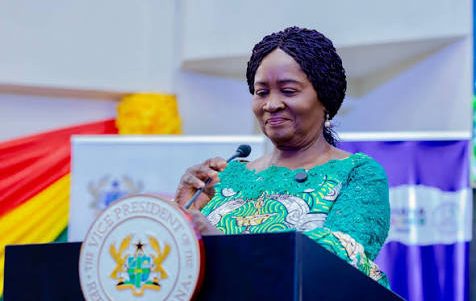
By Blossom Ukoha What does it take for a woman to earn a place on a presidential ticket once and then be trusted with it again? For Her Excellency, Professor Naana Jane Opoku-Agyemang, the answer is a career built on scholarship, institutional leadership, public service and a remarkable record of breaking barriers. In 2020, John Dramani Mahama chose her as his running mate. Four years later, he chose her again. This time, the ticket won. On 7 January 2025, Opoku-Agyemang was sworn in as Ghana’s first female Vice President, turning a political partnership that had appeared on the ballot twice into one of the most significant milestones in Ghanaian political history. But the story behind that historic ticket began long before either election. It began in education. Before the Politics, There Was the Professor Born on 22 November 1951 in Cape Coast, Ghana, Naana Jane Opoku-Agyemang built her early career…