

By Blossom Ukoha
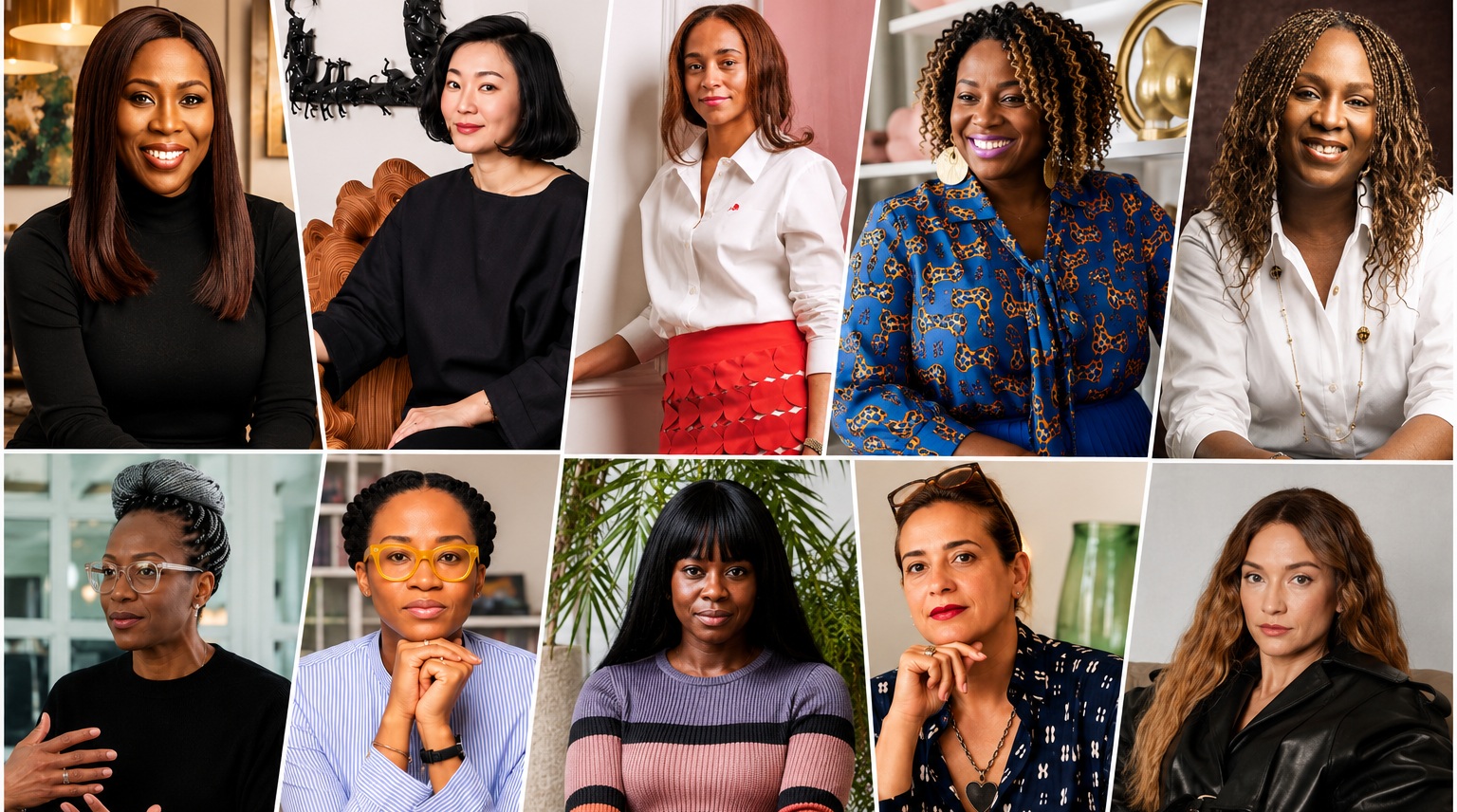
Walk into a beautifully designed home today and you may notice that something has changed. The most compelling interiors are no longer defined simply by expensive furniture, perfect symmetry or carefully matched colours. Increasingly, they reflect personality, heritage, craftsmanship and the stories of the people who live in them. A handmade textile may sit comfortably beside a contemporary chair, while vintage furniture, bold artwork and unexpected colours create spaces that feel collected rather than manufactured.
This changing design landscape connects naturally to the next page of this issue, where we continue exploring how women are transforming the way we experience our homes and surroundings. Before turning the page, however, there is a fascinating global story to consider: the women whose ideas are influencing what contemporary interiors look and feel like today.
Kelly Wearstler (USA)
Kelly Wearstler has spent decades challenging conventional ideas about luxury interior design. Her signature style combines bold colours, sculptural furniture, contrasting textures, vintage influences and contemporary pieces to create interiors that are dramatic without feeling predictable. Her work across residential, hospitality and product design has helped establish a more expressive approach to luxury, one in which personality and artistic experimentation are as important as expensive materials. At a time when homeowners are increasingly moving away from generic neutral interiors, Wearstler’s fearless use of colour and form remains highly influential.
India Mahdavi (France)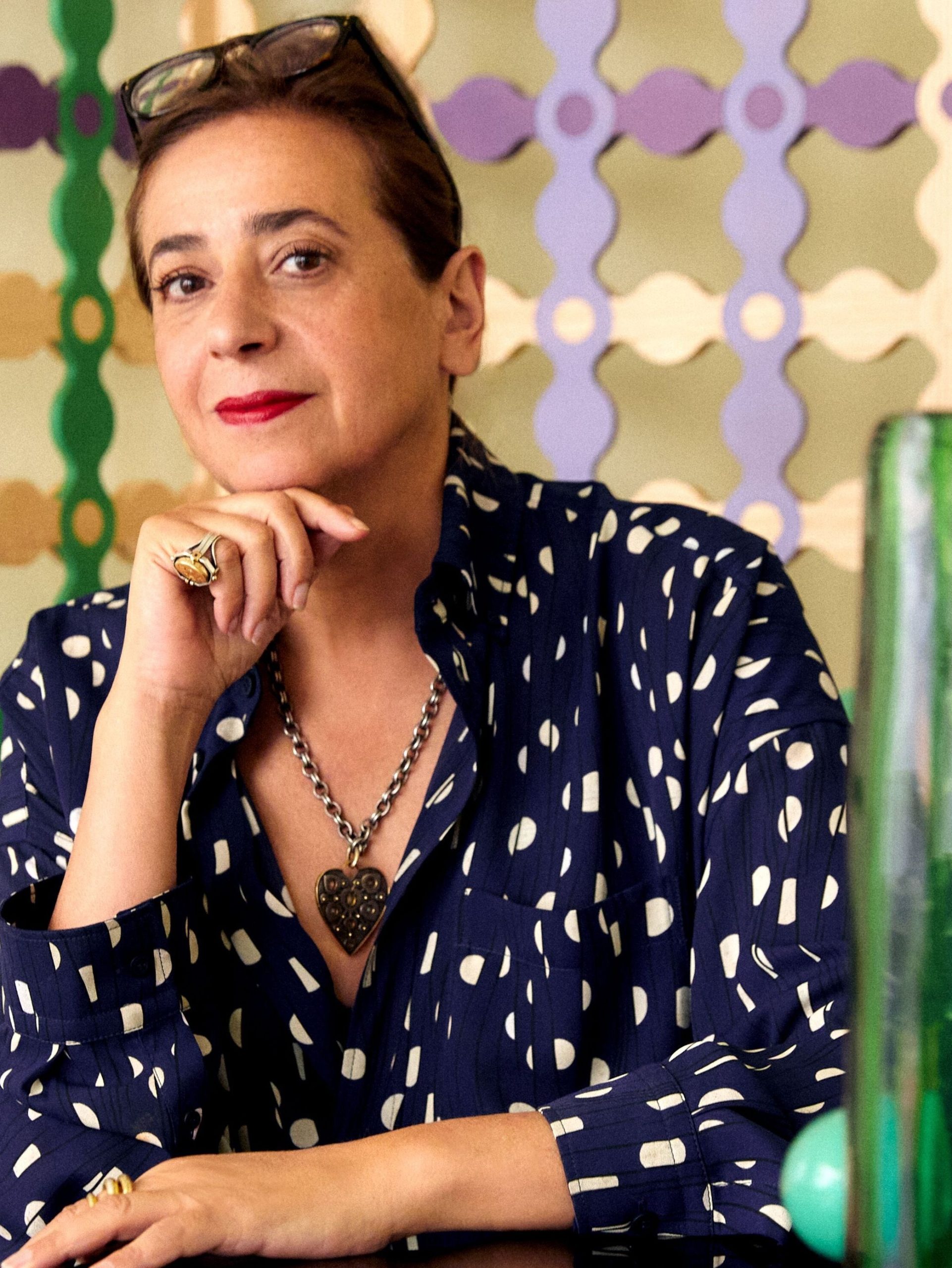
India Mahdavi has built her international reputation around colour, curves, playful forms and emotionally engaging spaces. Her interiors often feel joyful and sophisticated at the same time, demonstrating that a space can be elegant without being overly formal. Her approach has become particularly relevant as designers and homeowners increasingly consider how interiors affect mood and wellbeing. Rather than designing spaces simply to look impressive, Mahdavi creates environments intended to make people feel comfortable, curious and happy.
Tosin Oshinowo (Nigeria)
Tosin Oshinowo is one of the strongest voices in contemporary African architecture and design. Her work brings together Yoruba heritage, sustainability, local materials and contemporary design principles to create spaces that feel distinctly African while remaining internationally relevant. Rather than treating African culture as an ornamental addition, Oshinowo incorporates cultural identity into the foundation of her design thinking. Her work demonstrates how local history, craftsmanship and material knowledge can become the basis for sophisticated contemporary interiors and architecture.
Titi Ogufere (Nigeria) Titi Ogufere’s influence extends beyond the spaces she designs because she has played an important role in developing Nigeria’s wider interior design industry. She founded the Interior Designers Association of Nigeria and Design Week Lagos, creating platforms through which African designers can gain visibility, develop professional networks and connect with international audiences. She also served as President of the International Federation of Interior Architects/Designers, becoming the first person of African descent to hold the position. Her contribution demonstrates that shaping the future of design involves building institutions and opportunities as well as creating beautiful spaces.
Tola Akerele (Nigeria)
Tola Akerele has demonstrated how Nigerian culture, art and craftsmanship can become central elements of contemporary hospitality and interior design. Through iDESIGN and projects including Bogobiri House in Lagos, she has incorporated Nigerian art, local materials, handcrafted furniture and indigenous design elements into sophisticated environments. Her approach challenges the long-standing perception that luxury interiors must rely heavily on imported design references. Instead, her work shows that local craftsmanship and cultural identity can create spaces that are both distinctive and internationally appealing.
Ayisha Onuorah (UK)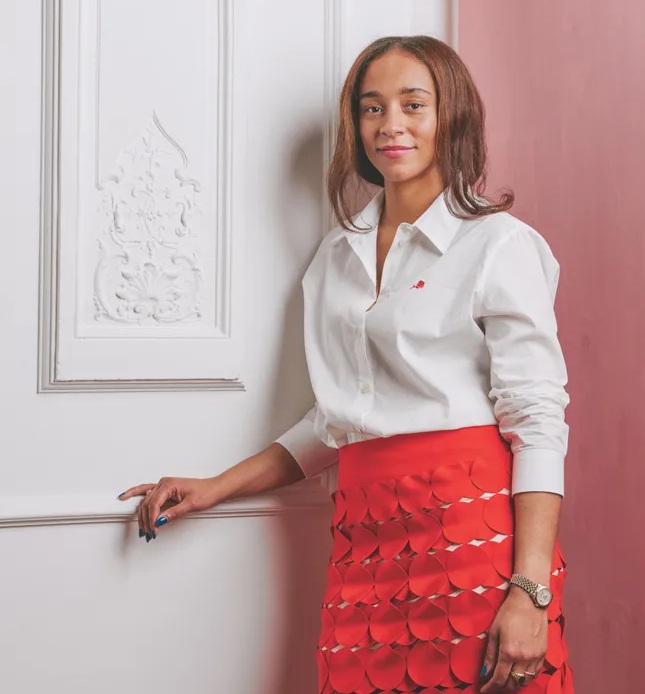
Ayisha Onuorah represents an emerging generation of designers bringing multicultural perspectives into contemporary interiors. Her work combines bold colour, pattern, texture and carefully selected objects, creating spaces that feel warm, expressive and deeply personal. Her British and Nigerian heritage, together with Caribbean influences, contributes to a design language that does not fit neatly into one traditional category. Her growing recognition reflects the industry’s increasing interest in designers who bring authentic personal and cultural perspectives to their work.
Eva Sonaike (UK)
Eva Sonaike has built a distinctive global design brand around textiles, wallpapers, cushions and home accessories inspired by African culture and particularly Yoruba visual traditions. Her work demonstrates how cultural heritage can be translated into contemporary products without losing its identity. Through vibrant patterns, colour and storytelling, she has helped bring African-inspired design into international homes and luxury markets. Her work also reflects the growing demand for interiors that have a sense of provenance and meaning rather than simply following short-lived trends.
Ariene Bethea (USA)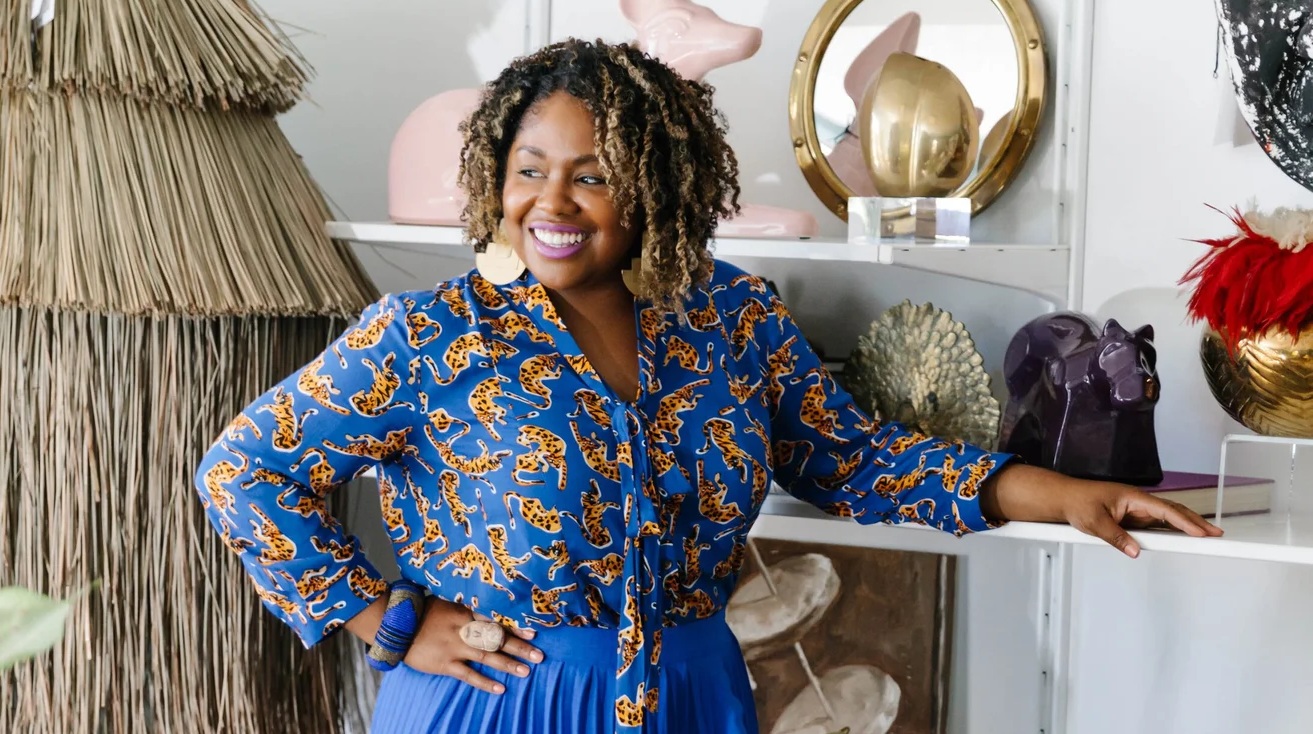
Ariene Bethea is recognised for her approach to what she describes as “soulful maximalism,” an aesthetic built around personal collections, vintage furniture, artwork and objects with emotional significance. Her interiors challenge the idea that a sophisticated home must be perfectly coordinated. Instead, she embraces layering and individuality, creating spaces that look as though they have evolved naturally with the people who inhabit them. Her approach is particularly relevant as homeowners increasingly seek interiors that feel authentic and personal rather than resembling showroom displays.
Jay Sae Jung Oh (USA)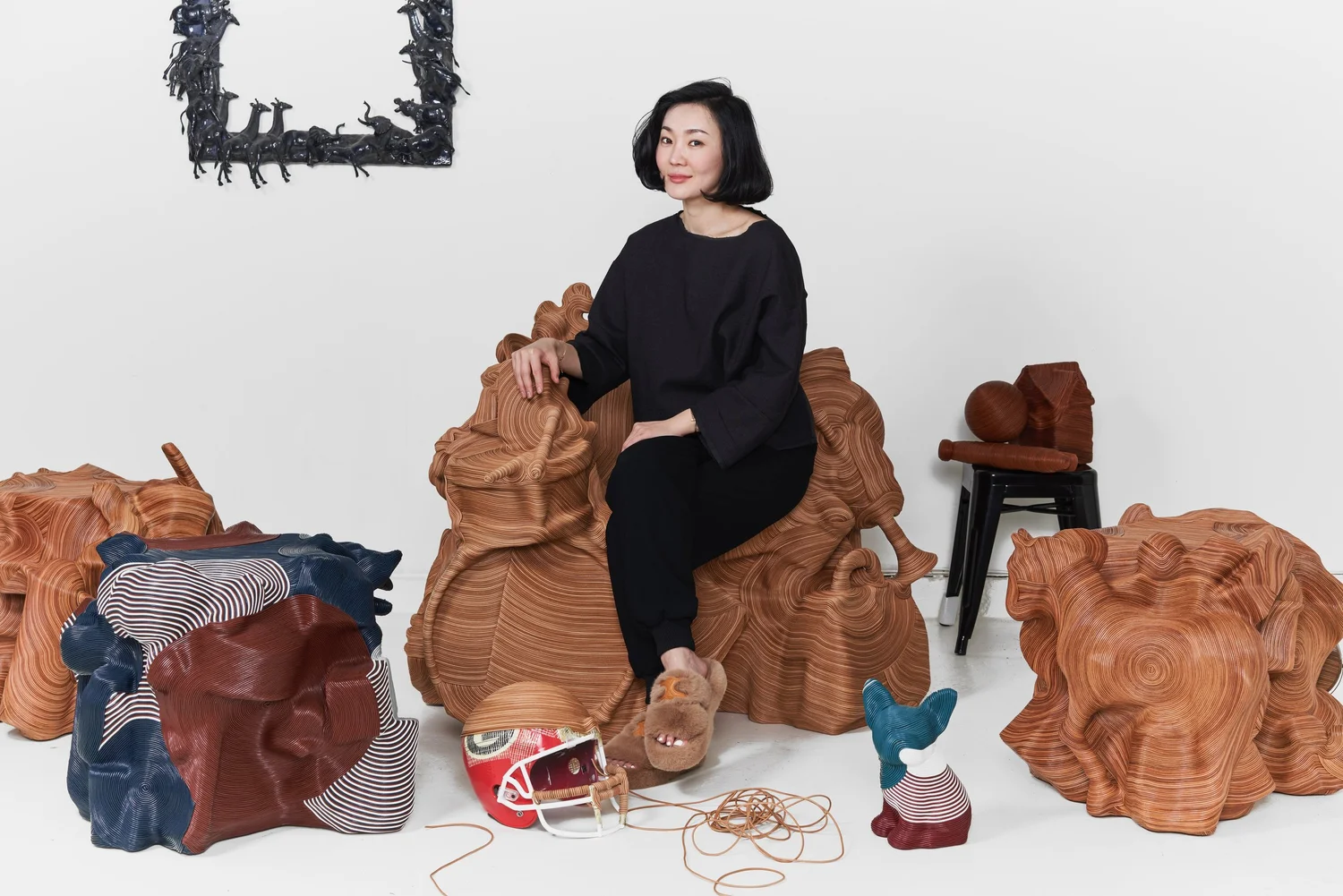
Jay Sae Jung Oh is challenging conventional ideas about furniture, consumption and sustainability through her innovative Salvage series. She transforms discarded everyday objects into sculptural functional furniture by carefully wrapping them with materials such as leather and cord. The result combines artistic expression with a strong environmental message. Her work asks designers and consumers to reconsider the value of objects that might otherwise be discarded and demonstrates how sustainability can become an integral part of creative design rather than an afterthought.
Patricia Urquiola (Italy)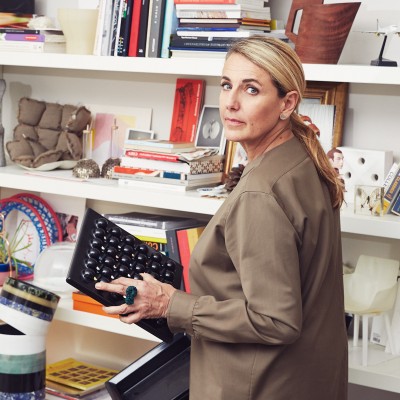
Patricia Urquiola has established herself as one of the leading figures in contemporary furniture and interior design through her ability to combine technical innovation with warmth and comfort. Her work frequently incorporates organic forms, tactile materials and furniture designed to encourage interaction. This approach reflects an important transformation in the modern home. Interiors are increasingly expected to support relaxation, work, social interaction, and well-being, rather than simply provide an attractive backdrop. Urquiola’s work demonstrates that comfort and sophisticated design can exist together.
The New Language of Interior Design
Although these women have very different approaches, their work reflects several important changes taking place across the design industry. Personalisation is becoming more important than perfection, while colour, craftsmanship, sustainability, cultural identity and emotional connection are gaining greater influence.
The shift is particularly significant for African design. For many years, African references were often treated as decorative elements within international interiors. Today, African designers are increasingly establishing complete design languages rooted in their own histories, materials and cultural traditions. Women such as Tosin Oshinowo, Titi Ogufere and Tola Akerele are helping to strengthen that movement from Nigeria, while Eva Sonaike and Ayisha Onuorah are taking African-influenced aesthetics into international markets.
The result is a new understanding of luxury: spaces do not have to be expensive or perfectly styled to be exceptional. The most memorable interiors are those that reflect identity, carry meaning and tell a story.
Who is the interior designer shaping your dream space?
We have spotlighted 10 women transforming today’s interior design landscape, but we know there are many more talented designers whose work deserves to be seen.
Do you know an interior designer whose creativity, cultural identity or unique style is redefining beautiful spaces?
Tell us about her.
Drop your recommendations in the comments or send them to info@amazonswatchmagazine.com. Your suggestion could inspire our next feature.





Comments are closed.