
By Blossom Ukoha
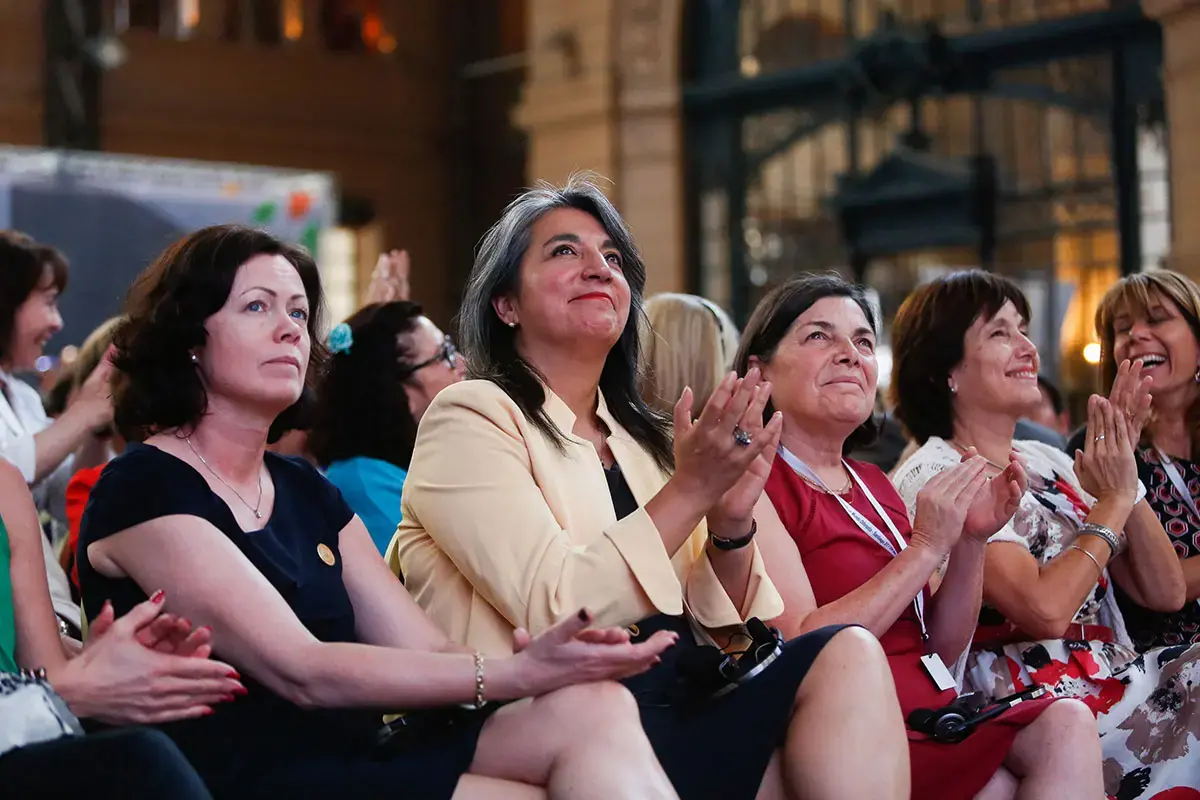
In 2026, the image of power is evolving, but not nearly at the pace required for true equality. Across the globe, more women are stepping into leadership positions in politics, business, and civil society, yet the systems they enter remain deeply shaped by historical gender imbalances. To be a woman in power today is to exist within a paradox, where progress is visible but equality remains incomplete. Power, as it currently exists, is not neutral. It carries the weight of tradition, bias, and long-established norms that women must constantly navigate and, in many cases, challenge in order to lead effectively.
The Numbers Behind the Narrative
The data tells a compelling story about how far the world has come and how far it still needs to go. As of January 2026, women hold approximately 27 percent of parliamentary seats globally. While this reflects steady progress over the years, it still leaves a significant gap in representation. Only about 22 countries currently have a woman serving as Head of State or Government, underscoring how rare it remains for women to reach the highest levels of political authority. At the current rate of change, gender parity in national parliaments is not expected to be achieved until sometime after 2060. In the corporate sector, the imbalance is even more pronounced, with women occupying less than 10 percent of CEO roles worldwide despite their substantial participation in the workforce. In Africa, women’s representation in parliament averages around 26 percent, with a few standout countries like Rwanda surpassing 60 percent, while others continue to lag far behind. These figures highlight a persistent reality that representation is improving, but power is still not evenly distributed.
The Double Standard of Leadership
Beyond the statistics lies a more nuanced and often unspoken challenge. Women in leadership must operate within a narrow band of acceptable behavior that their male counterparts rarely encounter. Assertiveness can be misinterpreted as aggression, while empathy may be dismissed as weakness. Confidence is sometimes reframed as intimidation. This dynamic creates a constant balancing act, where women are required to lead while simultaneously managing how their leadership is perceived. The politics here is subtle but powerful, shaping not only how women are viewed but also how their decisions are received and evaluated.
The Politics of Perception
Public perception further complicates this landscape. Women leaders are frequently subjected to a level of scrutiny that extends beyond their professional performance. Media narratives often focus on their appearance, tone, and personal lives rather than their policies or achievements. Research has consistently shown that women in leadership positions receive more negative and personalised media coverage than men, particularly in political spaces. This type of scrutiny is not harmless. It influences public opinion, undermines authority, and reinforces long-standing stereotypes about women’s capabilities. For women in power, leadership is therefore not only about making decisions but also about continuously defending legitimacy.
Gatekeeping and Access to Power
Access to power remains another significant challenge. Leadership is rarely achieved in isolation; it is built through networks, relationships, and systems of influence. Historically, these networks have been dominated by men, creating barriers that continue to limit women’s entry and advancement. Informal power circles often determine who gets opportunities, who is supported, and who is positioned for leadership. Even when women are equally qualified, access becomes the obstacle. This reveals a critical aspect of the politics of power, which is that competence alone is not always enough to secure or sustain leadership.
Beyond Representation to Real Influence
While increasing the number of women in leadership roles is often celebrated, representation does not automatically translate into meaningful influence. In some cases, women are included in leadership spaces in ways that are symbolic rather than transformative. They may be visible but not empowered, present but not fully heard. This form of tokenism places additional pressure on women to represent broader gender interests while limiting their ability to enact real change. True progress is not simply about how many women are in the room, but about how much authority they hold and how effectively they can shape outcomes.
Resilience Is Not Enough
The resilience of women in power is frequently highlighted as a defining characteristic of their leadership. Women continue to navigate bias, exclusion, and heightened scrutiny while delivering results and driving impact. However, resilience should not be mistaken for a solution. The need for resilience often reflects the shortcomings of the systems themselves. When women are required to overperform in order to be accepted, it signals a deeper structural imbalance. The goal should not be to produce stronger women who can endure inequality, but to create systems that are inherently fair and inclusive.
Redefining Leadership and Power
Despite these challenges, women are not only participating in power structures but are also reshaping them. Many women leaders bring approaches that emphasize collaboration, inclusivity, and long-term impact. These qualities, once undervalued, are increasingly recognised as essential in addressing complex global issues. The presence of women in leadership is therefore not just about representation but about transformation. It is about redefining what leadership looks like and how power can be exercised more equitably.
Call to Action: From Awareness to Action
At Amazons Watch Magazine, the call to action is clear. The conversation must move beyond awareness and into deliberate change. Institutions must commit to policies that promote gender parity, including transparent recruitment processes, equal pay structures, and accountability measures. Leadership must become more inclusive, with intentional efforts to sponsor and support women into positions of influence. Media narratives must shift to focus on competence and impact rather than reinforcing stereotypes. There must also be sustained investment in the next generation of women leaders through education, mentorship, and access to opportunities. Achieving equity requires collective responsibility, with both women and men playing active roles in dismantling barriers and reshaping systems of power.
Conclusion: Rewriting the Politics of Power
Ultimately, the politics of being a woman in power is about more than individual achievement. It is about systemic transformation and the reimagining of leadership itself. Women are already rising, already leading, and already influencing the world in significant ways. The challenge that remains is whether institutions and societies are willing to evolve alongside them. Until power is shared more equitably and exercised more fairly, the politics surrounding women in leadership will continue to shape one of the most important conversations of our time.




Comments are closed.