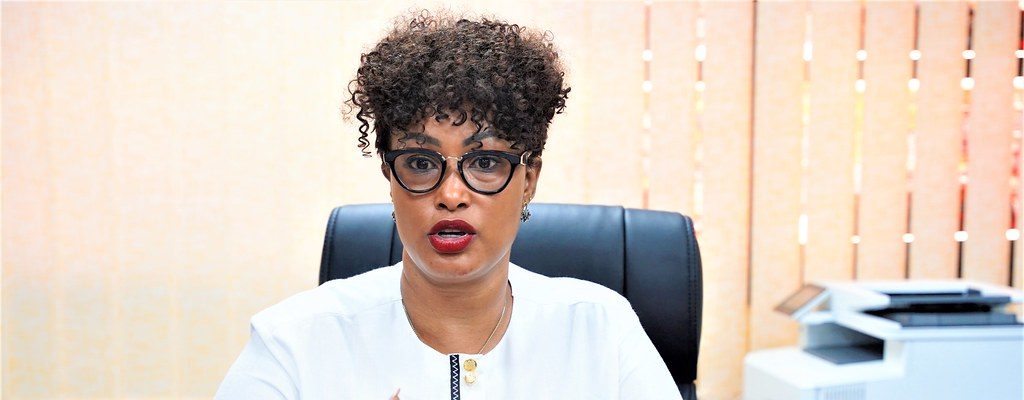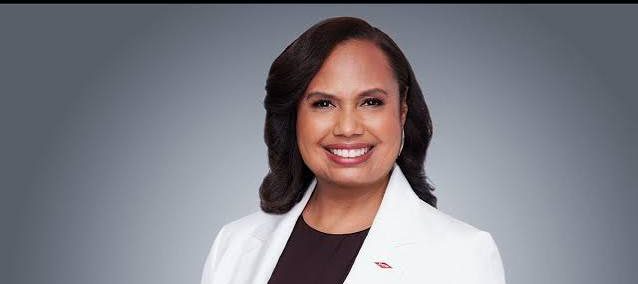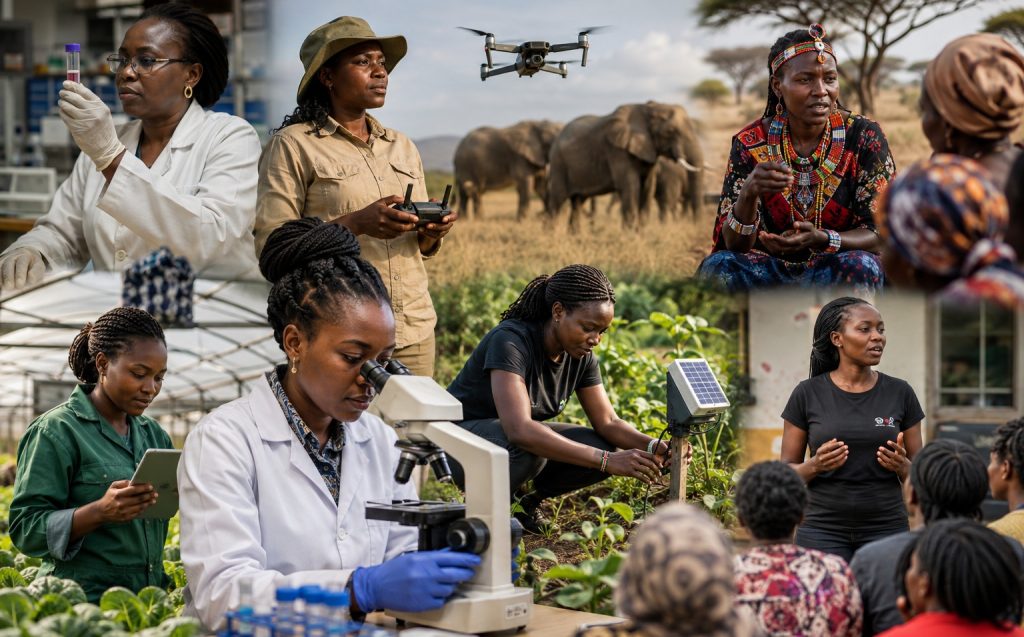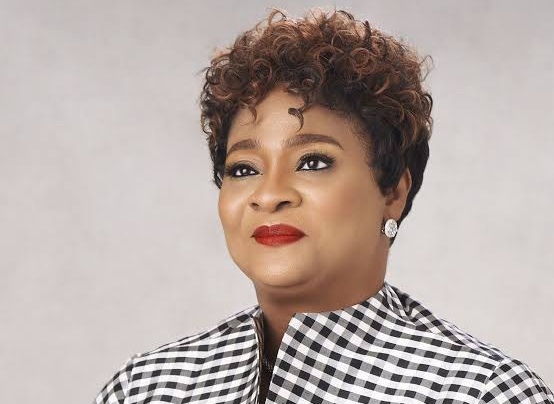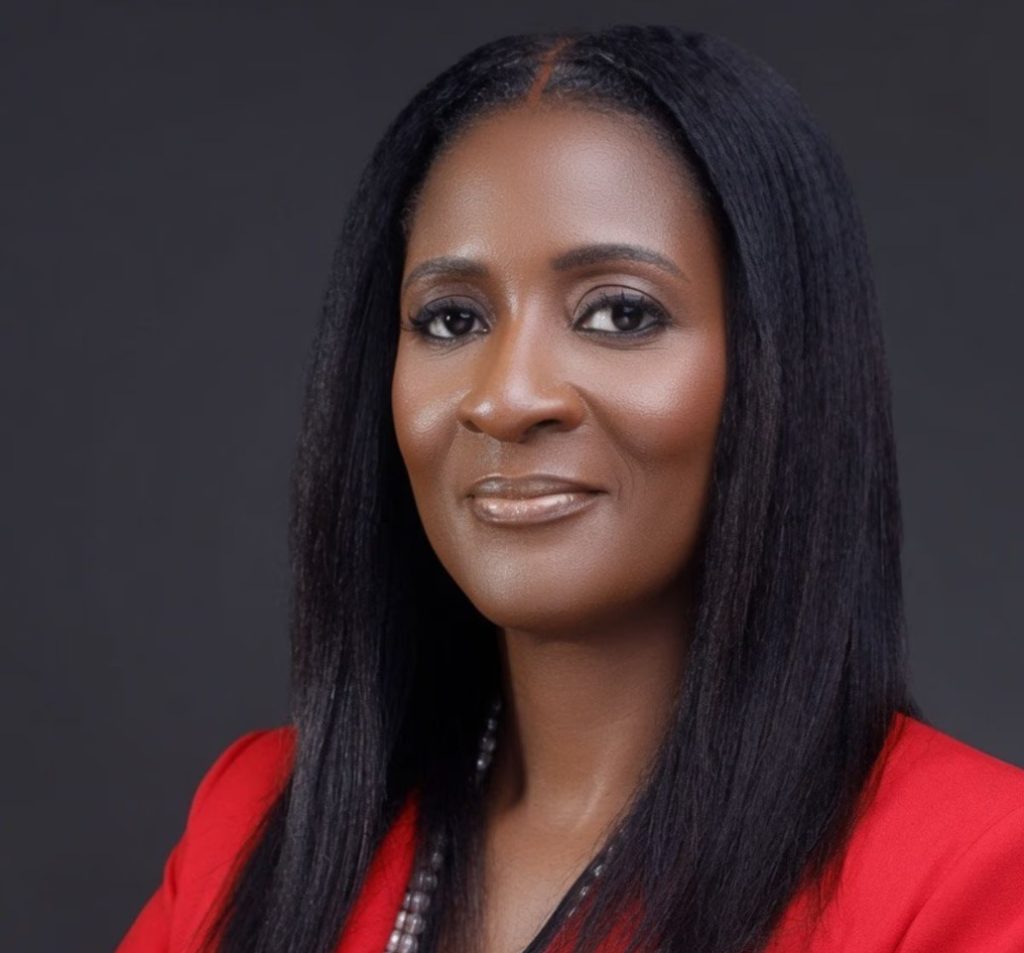
By Blossom Ukoha For decades, women have been an important part of the financial services workforce, yet their presence has not always translated into equal access to senior leadership. The United Kingdom offers a compelling case study of what can happen when gender representation becomes a measurable business priority. Over the past decade, voluntary targets, public reporting and sustained institutional pressure have helped move more women into senior roles. But the progress is measured rather than complete. The latest HM Treasury Women in Finance Charter Annual Review, published in March 2026, and the FTSE Women Leaders Review 2026 show both the gains achieved and the gaps that remain. Here are nine lessons from the UK experience. Voluntary Targets Can Deliver Steady Progress The Women in Finance Charter, launched in 2016, has demonstrated that voluntary commitments can produce measurable results when they are backed by transparency and accountability. According to HM…
Angélique Kidjo Makes History with Hollywood Walk of Fame Star: The Journey Behind a Historic Moment
By Blossom Ukoha “It’s not just my star, it’s our star.” — Angélique Kidjo There are some honours that recognise an individual, and then there are moments that seem to carry the hopes, history and identity of an entire continent. For Angélique Kidjo, the five-time Grammy-winning Beninese singer, songwriter and humanitarian, her Hollywood Walk of Fame star is both. On 18 August 2026, Kidjo became the first African artist to receive a star on the Hollywood Walk of Fame, with the 2,854th star unveiled in the Recording category at 7011 Hollywood Boulevard. The historic recognition marked another extraordinary milestone in a career spanning more than four decades. But the significance of that star cannot be understood by looking only at the ceremony. It begins much earlier, with a young girl growing up in Cotonou, Benin, in a household where creativity was part of everyday life. Before the Global Spotlight, There…
Are African Institutions Ready for Women at the Top?
Blossom Ukoha A woman can sit in parliament, earn a university degree, build a successful career and still find that the final door to power is the hardest one to open. Across Africa, women are increasingly visible in politics, business and public institutions, yet their presence often declines sharply as they move closer to the highest levels of decision-making. The picture is therefore neither one of failure nor of full progress. African institutions are becoming more ready for women at the top, but they are not there yet. The numbers tell a complicated story. According to the Inter-Parliamentary Union (IPU), women held 27.1% of parliamentary seats in Sub-Saharan Africa as of January 2026, almost identical to the global figure of 27.5%. East Africa leads the region at 32.0%, followed by Southern Africa at 30.9%, while West Africa stands at only 19.2%. The regional average, however, hides extraordinary differences between countries.…
Women, Technology and the Future of a Smarter Mine
For generations, mining has been defined by physical strength, heavy machinery and demanding work in remote and underground environments. That image has influenced not only how mining is perceived, but also who is encouraged to pursue a career in the sector. Yet the industry is changing. Automation, artificial intelligence, remote operations, robotics and data analytics are creating a new mining environment in which technical expertise and digital skills are becoming just as important as physical strength. For women, this transformation could open doors to roles that were once difficult to access. As Alex Atkins, a Mining and Geotechnical Engineer and Non-Executive Director, observed: “Digital transformation is going to enable the greater inclusion of women and to give them more choice over how they can keep working in the industry once they have families.” Her observation points to a much bigger shift. The question is no longer whether women can work…
Ifeyinwa Osime: The Woman Who Rose Through Purpose, Perseverance and Leadership
By Blossom Ukoha Some leadership journeys begin with a title. Others begin long before anyone is watching, in classrooms, courtrooms, committee rooms and the quiet decisions that gradually build a reputation. For Mrs. Ifeyinwa Osime, the journey to the chairmanship of Access Bank Plc was not an overnight ascent. It was decades in the making: a journey through law, insurance, corporate governance and board leadership that ultimately placed her at the helm of one of Africa’s major financial institutions. In January 2026, Osime was appointed Chairman of the Board of Directors of Access Bank Plc, succeeding Mr. Paul Usoro, SAN, who retired after completing his regulatory tenure. Her elevation marked another significant moment for women in Nigerian financial services, but perhaps more importantly, it represented the culmination of a woman who had spent years quietly preparing for the opportunity to lead. As Group Chairman of Access Holdings, Aigboje Aig-Imoukhuede, CFR,…
Meet Vicky Seymour: The British Diplomat Bringing Global Experience to Nigeria
“I am delighted to be taking up the role of Deputy High Commissioner in Abuja. I look forward to getting to know this extraordinary country, meeting people from across Nigeria’s diverse communities, and building on the strong partnership that already exists between our two countries. Together, I hope we can continue creating opportunities for greater collaboration and links between our people in the years ahead.” — Vicky Seymour For Vicky Seymour, her new posting in Abuja is about more than assuming a senior diplomatic position. It is an opportunity to deepen a relationship between two countries connected by history, trade, development, security, migration, education and millions of personal relationships. Appointed Deputy High Commissioner at the British High Commission in Abuja in August 2026, Seymour arrives with more than two decades of experience spanning diplomacy, international development, trade, climate, security and government service. Her career across Africa and other complex international…
7 Things to Know About Ruthe Farmer: The Woman Advancing Women and Underrepresented Talent in Technology
“We see these kids as an investment opportunity. If I invest in you succeeding, you’re going to pay it forward to other people. When you invest in women, you benefit the families and the community.” — Ruthe Farmer For Ruthe Farmer, supporting underrepresented talent in technology is not charity. It is an investment in people, families, communities and the future of the economy. That philosophy has shaped more than two decades of work dedicated to expanding opportunities for girls, women, low-income students and other underrepresented groups in technology and engineering. From STEM programmes and national education initiatives to technology policy and financial support for students on the verge of dropping out, Farmer has consistently focused on one question: what happens when we stop looking at overlooked talent as a problem and start seeing it as an opportunity? A Career Built Around Technology Inclusion Farmer has worked specifically on technology inclusion…