By Blossom Ukoha According to the International Labour Organization (ILO), women perform 76.2 per cent of unpaid care work globally and spend 3.2 times as much time on it as men. This unequal burden has significant consequences for women’s economic participation, earnings and career progression. While women’s economic empowerment is often discussed in terms of education, employment opportunities, entrepreneurship and access to finance, childcare remains a critical part of the equation. Without reliable, affordable care, many women struggle to enter the workforce, sustain businesses, pursue promotions or earn incomes that reflect their abilities. The Invisible Cost of Unpaid Care The scale of the challenge is substantial. The ILO estimated in 2024 that approximately 708 million women worldwide were outside the labour force because of unpaid care responsibilities, compared with around 40 million men. These figures reveal a structural problem: women’s time is essential to families and communities, yet much of…
International Day of the Girl Child 2026: Who Gets to Decide a Girl’s Future?
By Blossom Ukoha “I was just a child and suddenly got married. Before I had time to recover from the shock, I got pregnant.” Salma, a girl from Yemen, was just 15 when she was forced into marriage, an experience that interrupted her childhood and exposed her to gender-based violence. Yet her story did not end there. She returned to school and is pursuing her dream of becoming a doctor. Her journey reflects the reality faced by millions of girls whose education, safety and aspirations are threatened by child marriage. On 11 October 2026, the International Day of the Girl Child is observed under the theme “End child marriage and invest in girls’ rights!” The message is clear: every girl deserves the freedom to learn, grow, make decisions about her life and shape her future. A Global Crisis That Cannot Be Ignored Established by the United Nations General Assembly in 2011,…
Leading the Fight Against Breast Cancer: Amber Guild Takes Charge at Susan G. Komen
By Blossom Ukoha “I am deeply honored to join Komen as its President & CEO, and I am inspired to work alongside Komen’s incredibly talented and committed team to apply my professional and lived experiences to make a difference on behalf of so many.” — Amber Guild, President and CEO, Susan G. Komen For Amber Guild, leading the fight against breast cancer is more than an executive responsibility. As a breast cancer survivor whose treatment benefited from advances informed by research funded by Susan G. Komen, she brings a personal understanding of the disease to one of the world’s leading breast cancer organisations. On 1 October 2026, Guild assumed the role of President and Chief Executive Officer, bringing together her experience in business leadership, brand transformation and storytelling with a mission that has touched millions of lives. Her appointment represents a significant intersection of professional expertise and lived experience. At a…
11 Success Tips Every Woman Scaling a Social-Impact Business Needs to Know
By Blossom Ukoha “Profit and purpose are not mutually exclusive, and you have to work just as hard on delivering the impact you want to see as you do on building a financially sustainable business.” — Claudine, founder of Career Ear Building a business that changes lives requires more than a compelling mission. It demands a clear strategy, sustainable revenue, strong partnerships and measurable results. For women entrepreneurs leading social-impact businesses, scaling can be particularly challenging as they navigate funding inequalities, limited professional networks and expectations that social good should take precedence over financial growth. Yet women-led businesses demonstrate considerable economic potential. According to a Boston Consulting Group analysis, women-founded startups generated 78 cents in revenue for every dollar of funding, compared with 31 cents for male-founded startups. Although this finding does not mean every women-led business will outperform, it challenges assumptions about the financial potential of investing in women entrepreneurs.…
Innovations Designed by Women to Improve Everyday Health Monitoring
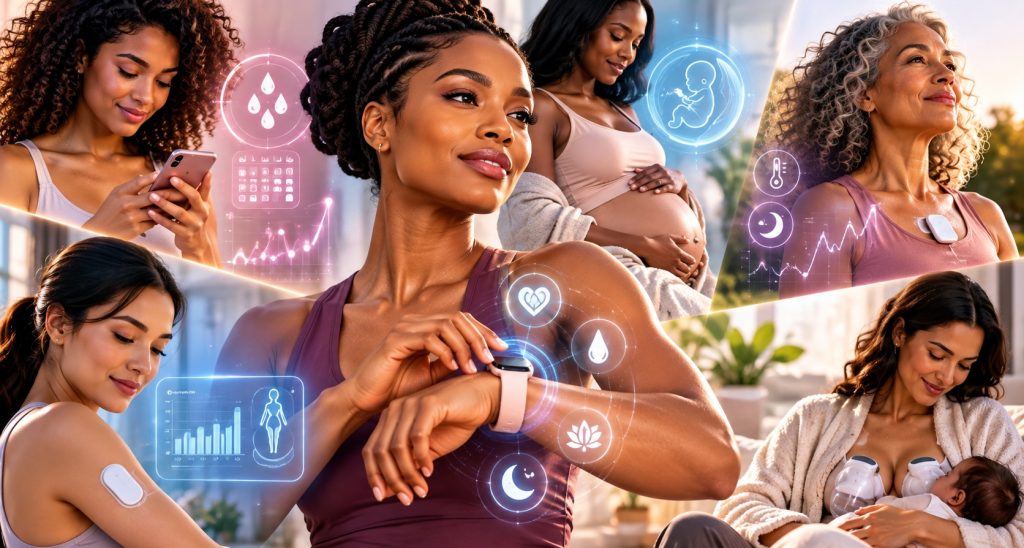
By Blossom Ukoha For generations, women have navigated health concerns that were often under-researched or diagnosed only after symptoms became difficult to ignore. From menstrual irregularities and hormonal changes to pregnancy complications and menopause, many aspects of female physiology have received insufficient attention in mainstream medical technology. Today, women innovators are addressing these gaps by developing devices and digital platforms that make everyday health monitoring more accessible, personalised and responsive to women’s needs. These innovations are changing how women collect health information, recognise physiological patterns and communicate with healthcare professionals. Instead of relying exclusively on occasional appointments or one-off tests, emerging technologies are exploring continuous monitoring to help women better understand their bodies and make informed health decisions. The Growing Market for Women’s Health Technology The expansion of femtech, the technology sector addressing women’s health needs, reflects growing recognition of unmet healthcare needs and commercial opportunities. Market estimates vary according…
Meet Fatima Ezzahra El Mansouri: From Morocco’s First Female Mayor to Its First Woman Head of Government
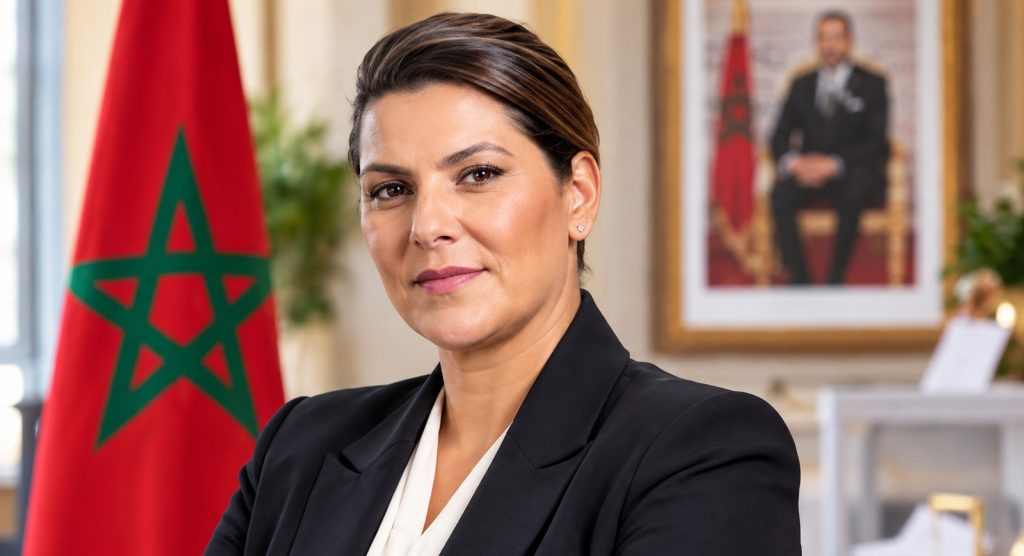
By Blossom Ukoha When Fatima Ezzahra El Mansouri was appointed Morocco’s Head of Government on 29 September 2026, history was made in a country where the highest levels of political leadership had long been occupied by men. At 50, the lawyer-turned-politician became the first woman to lead Morocco’s government after King Mohammed VI appointed her at the Royal Palace in Rabat and entrusted her with forming a new administration. Her appointment followed the electoral victory of the Authenticity and Modernity Party (PAM), which secured 97 of the 395 seats in the House of Representatives. For El Mansouri, the moment represented more than a personal milestone. It placed a woman at the centre of national executive leadership and brought renewed attention to how women’s political representation can translate into decision-making power. Her journey from municipal government in Marrakech to the highest government office illustrates how experience, political organisation and sustained participation…
Mental-Health Solutions and Burnout Recovery for Women Leaders
By Janet Coin In 2007, Arianna Huffington, founder of The Huffington Post, collapsed from exhaustion while building her media company. Working approximately 18-hour days, seven days a week, while raising her two teenage daughters, she had come to accept relentless work as the price of success. When she fell, she hit her head against her desk, broke her cheekbone and injured her eye. The incident forced her to reconsider what professional achievement meant when it came at the expense of her health. Huffington later described the experience as a turning point that challenged her understanding of success. She developed the concept of the “Third Metric”, expanding success beyond money and power to include well-being, wisdom, wonder and giving. Her experience raises a question that deserves greater attention in conversations about women’s leadership: what does it mean to advance women into positions of power if the conditions of leadership leave them…