Category

Others

Category

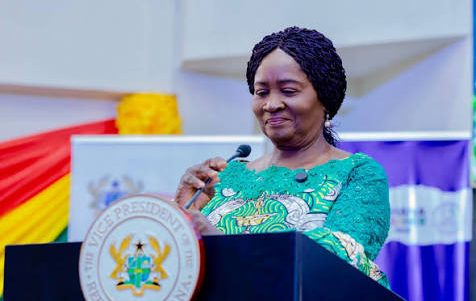
Professor Naana Jane Opoku-Agyemang: The Woman Who Made the Ticket Twice

By Blossom Ukoha What does it take for a woman to earn a place on a presidential ticket once and then be trusted with it again? For Her Excellency, Professor Naana Jane Opoku-Agyemang, the answer is a career built on scholarship, institutional leadership, public service and a remarkable record of breaking barriers. In 2020, John Dramani Mahama chose her as his running mate. Four years later, he chose her again. This time, the ticket won. On 7 January 2025, Opoku-Agyemang was sworn in as Ghana’s first female Vice President, turning a political partnership that had appeared on the ballot twice into one of the most significant milestones in Ghanaian political history. But the story behind that historic ticket began long before either election. It began in education. Before the Politics, There Was the Professor Born on 22 November 1951 in Cape Coast, Ghana, Naana Jane Opoku-Agyemang built her early career…

Love in the Age of Ambition: Can a Relationship Survive Two Big Careers?

Blossom Ukoha What happens when two people fall in love, but neither is willing to make their career the smaller dream? “The more you win, the more I lose” is the familiar fear that can quietly enter a relationship when both partners are ambitious. But research on dual-career couples suggests that love and ambition do not have to operate as a zero-sum game. Jennifer Petriglieri, an associate professor at INSEAD who has studied highly educated couples with demanding professional goals, argues that thriving couples can move beyond the idea that one partner’s success must come at the other’s expense. That shift matters because dual-career relationships are no longer unusual. According to McKinsey research involving more than 35,000 workers with spouses or live-in partners, 89% of women and 70% of men were part of dual-career couples. The numbers tell a story about modern ambition: for millions of couples, both partners are…

How Easy Is It to Balance Motherhood, Business and Global Influence?

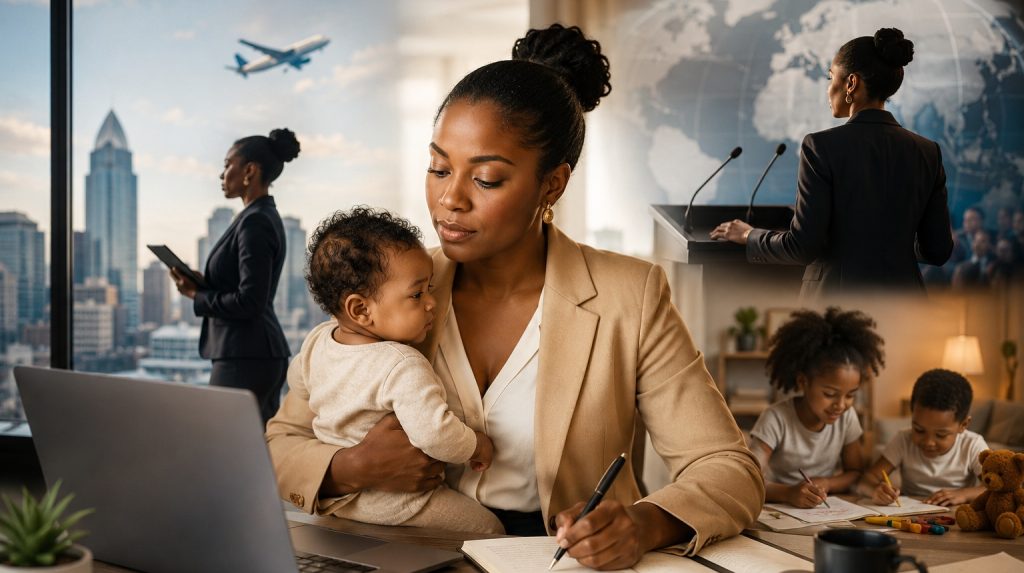
By Laura Jones At 6:00 a.m., the day has already begun. A child needs breakfast, a school bag needs finding, a message from a business partner in another time zone is waiting for a response, and a meeting is already on the calendar. Before she has walked into the office, a woman may have already been a mother, caregiver, strategist, employer and decision maker. Then the world expects her to enter the boardroom and perform as though none of that exists. This is the part of women’s leadership we do not always see. We see the companies, awards, investments, international appointments and photographs from global stages. We celebrate women for what they have built but rarely see the daily negotiation between ambition and responsibility that makes much of that success possible. So, how easy is it to balance motherhood, business and global influence? The honest answer is that it is not…

Red Lipstick: The History Behind the Boldest Beauty Statement

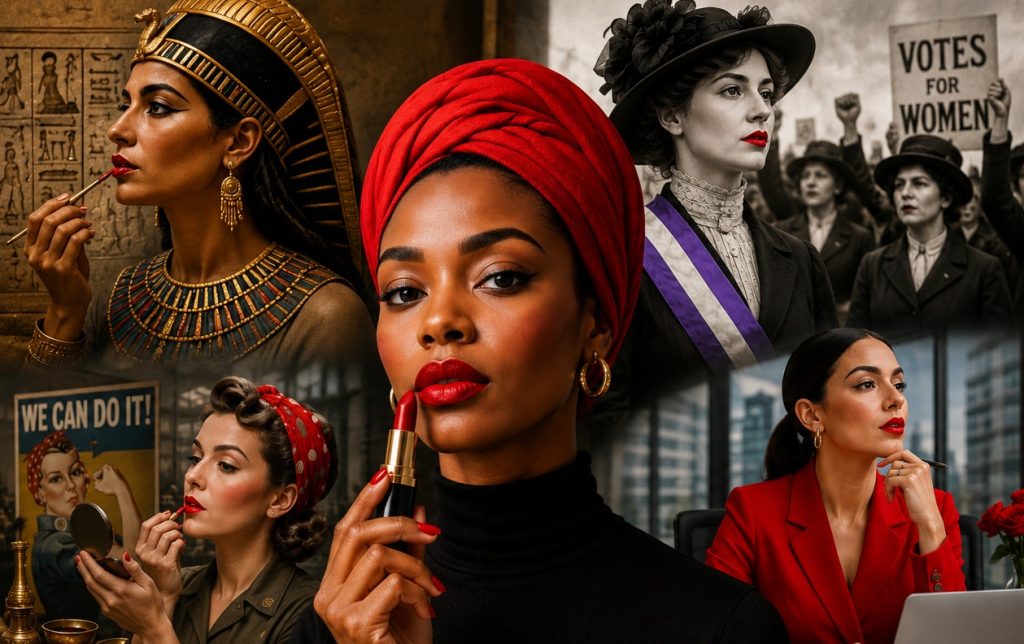
By Blossom Ukoha “If you’re sad, add more lipstick and attack.” — Coco Chanel Imagine owning a beauty product so powerful that it was once associated with queens, banned by governments, embraced by suffragettes, and even worn as a symbol of resistance during wartime. Surprisingly, that product is not a priceless jewel or an elaborate crown. It is a tube of red lipstick. Few beauty products have carried as much cultural, political and historical significance. For thousands of years, women have used red lipstick not simply to enhance their appearance, but to communicate confidence, status, courage and identity without saying a single word. While beauty trends have come and gone, the red lip has endured, reinventing itself across centuries as one of history’s most enduring symbols of female power. The First Women to Wear Power on Their Lips The story of red lipstick begins more than 5,000 years ago in…

Top 8 Reasons Why Your Child Should Learn AI Before They Turn 13

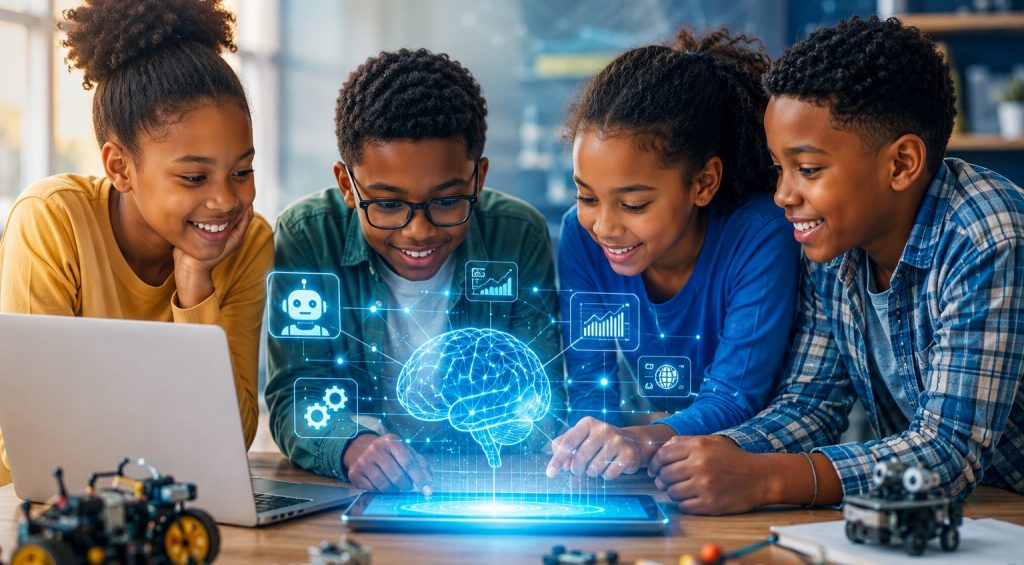
By Blossom Ukoha “The best way to predict the future is to create it.” — Alan Kay, Computer Scientist Every generation has a defining skill that determines who thrives and who struggles. For our grandparents, literacy unlocked opportunity. For our parents, computer literacy transformed careers. Today, the defining skill is artificial intelligence (AI). AI is no longer a technology reserved for scientists or software engineers. It is rapidly becoming part of everyday life, influencing how we learn, work, communicate, shop, and solve problems. Whether we realise it or not, our children are already interacting with AI through search engines, smartphones, educational apps, voice assistants, social media algorithms, and online learning platforms. The question is no longer whether children should be exposed to AI. They already are. The real question is whether they will become creators of AI-powered solutions or merely consumers of AI-generated content. Research increasingly shows that introducing AI…

Can the World End Obstetric Fistula and Restore Dignity for Women?

By Staff Writer Thoraya Ahmed Obaid, former Executive Director of the United Nations Population Fund (UNFPA), once made a powerful statement while advocating for maternal health and safe childbirth: “No woman should die while giving life.” Yet for hundreds of thousands of women around the world, surviving childbirth can still come at a devastating cost. Every year, women and girls emerge from prolonged, obstructed labour with a preventable injury that leaves them incontinent, isolated, and stripped of their dignity. This condition, obstetric fistula, remains one of the clearest indicators of inequality in women’s healthcare and one of the most urgent maternal health challenges of our time. For many women, childbirth is expected to be a moment of celebration, the beginning of a new chapter filled with hope and promise. Instead, for those affected by obstetric fistula, it can become the beginning of years of physical suffering, social exclusion, and…

Raising Confident Girls in a Globalised World

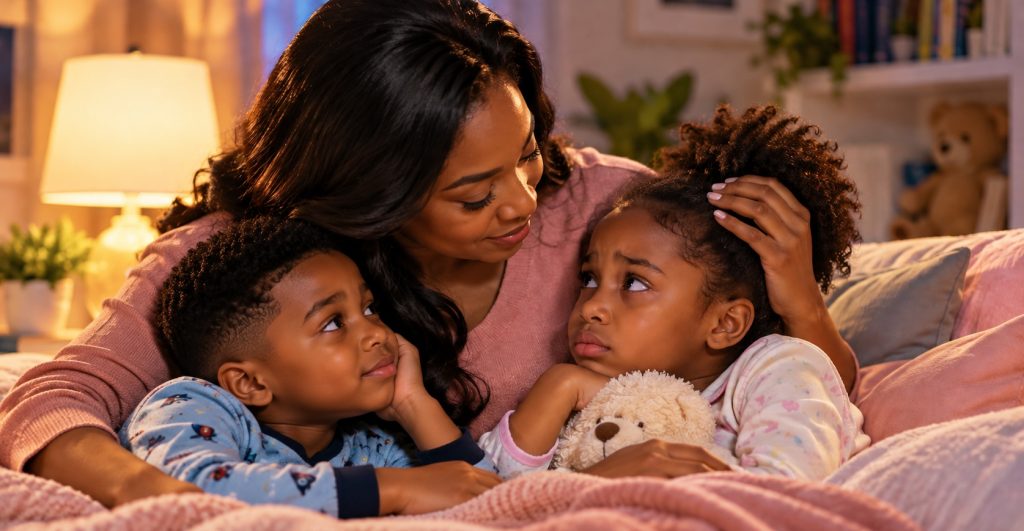
On a warm evening in a bustling city, a mother watched her 11-year-old daughter scroll endlessly through her phone. Between perfectly curated images, filtered beauty, and carefully staged lifestyles, the girl’s smile slowly faded. “I wish I looked like that,” she whispered. In that quiet moment, a global reality came into focus. Across continents, cultures, and income levels, millions of girls are growing up in a world more connected than ever, yet increasingly uncertain about their own worth. Globalisation has opened doors for girls in unprecedented ways. Education levels are rising, access to information is expanding, and opportunities once considered unattainable are now within reach. Yet, beneath this progress lies a troubling pattern. Confidence in girls is declining, particularly during the critical transition from childhood to adolescence. Research consistently shows that between the ages of 8 and 14, girls experience an average 30 percent drop in confidence. While boys and…