
Category

Health & Wellbeing

Category

What You Need to Know About Pelvic Floor Disorder (PFD)
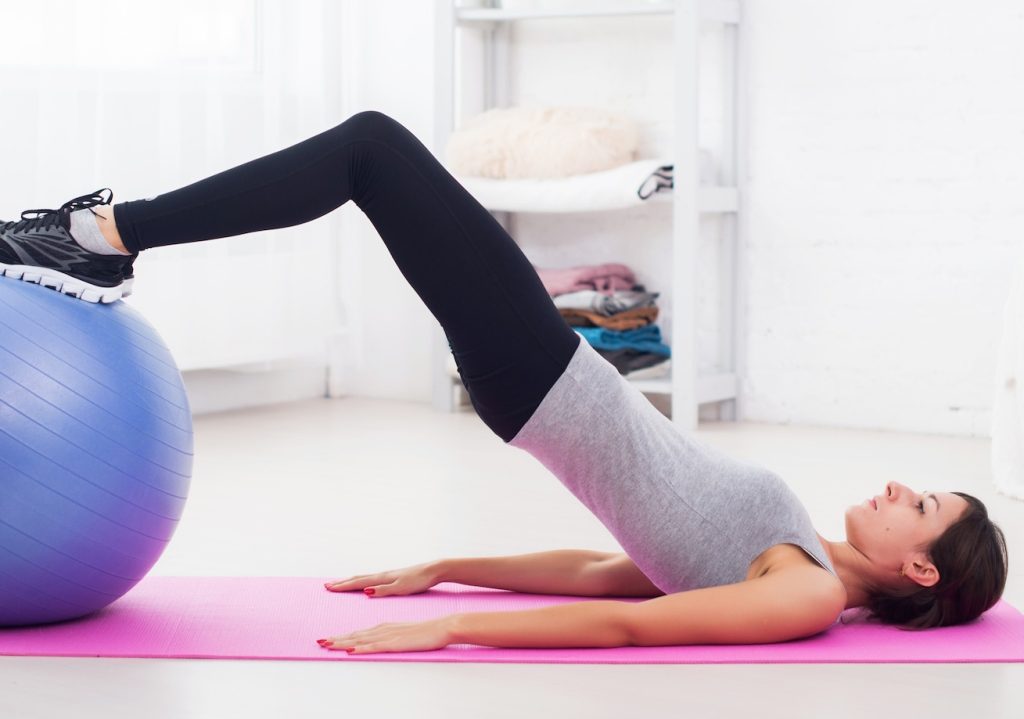
A pelvic floor disorder (PFD) occurs when the muscles or connective tissues of the pelvic area weaken or are injured. The most common pelvic floor disorders are urinary incontinence, fecal incontinence, and pelvic organ prolapse. PFDs are more common among older women. People with pelvic floor disorders may experience: Urinary problems, such as an urgent need to urinate, painful urination or incomplete emptying of their bladder. Constipation, straining or pain during bowel movements is a sign of pelvic floor disorder, as well as pain or pressure in the vagina or rectum. The “pelvic floor” refers to a group of muscles that attach to the front, back, and sides of the pelvic bone and sacrum (the large fused bone at the bottom of your spine, just above the tailbone). Like a sling or hammock, these muscles support the organs in the pelvis, including the bladder, uterus or prostate, and rectum. They…

Handling Severe Fibromyalgia Pains

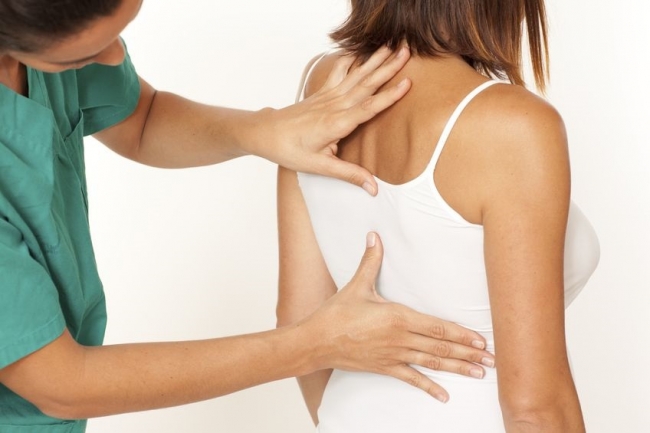
Fibromyalgia is the one of the most common musculoskeletal conditions. Still, it is often misdiagnosed and misunderstood. Its characteristics include widespread muscle and joint pain and fatigue, as well as other symptoms. Fibromyalgia can lead to depression and social isolation. It is still unclear why some people develop fibromyalgia. The exact cause is unknown, but it’s likely that a number of factors are involved which may include: Abnormal pain messages One of the main theories is that people with fibromyalgia have developed changes in the way the central nervous system processes the pain messages carried around the body. This could be due to changes to chemicals in the nervous system. The central nervous system (brain, spinal cord and nerves) transmits information all over the body through a network of specialized cells. Changes in the way this system works may explain why fibromyalgia results in constant feelings of and extreme sensitivity to, pain. Chemical imbalances It has been observed that…

WATER: THE MIRACLE HEALTH DRINK

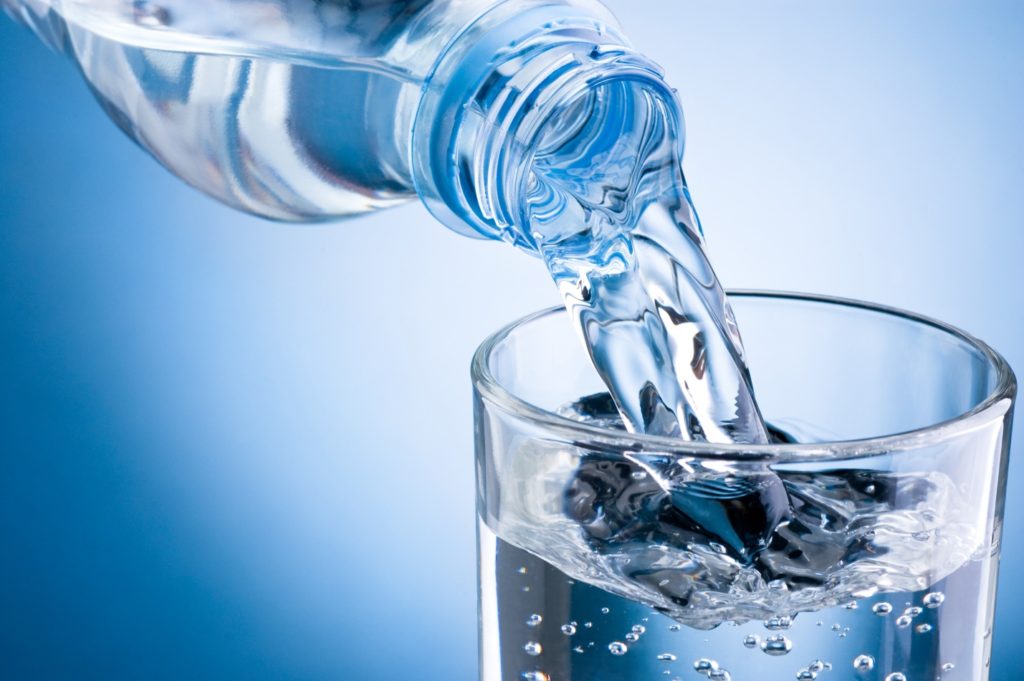
Improving Health, controlling weight and Clearing Complexion So many of us live our lives constantly searching for health tips that will serve as preventive measures for what I would like to call “household illnesses” such as common head or body aches when in fact the solution may just be right in front of us. Sometimes, we feel overwhelmingly tired and achy with brain fag and blotchy skin. We even get disturbed about our weight; a common pain point for women which drives us to spend large sums of money for supplements and gym sessions all to no benefit. Dehydration may cause more harm than we think it does but most times we tend to ignore the obvious consequences and refuse to stay hydrated all the time. Having established that fact, it begs the question: Are you taking enough water? If you automatically assume you’re drinking enough water without being intentional…

Infertility in Women: Causes and Treatment

Infertility is a condition that affects approximately 1 out of every 6 couples. An infertility diagnosis is given to a couple that has been unsuccessful in efforts to conceive over the course of one full year. When the cause of infertility exists within the female partner, it is referred to as female infertility. Female infertility factors contribute to approximately 50% of all infertility cases, and female infertility alone accounts for approximately one-third of all infertility cases. The most common causes of female infertility include problems with ovulation, damage to fallopian tubes or uterus, or problems with the cervix. Age can contribute to infertility because as a woman ages, her fertility naturally tends to decrease. Ovulation problems may be caused by one or more of the following: A hormone imbalance A tumor or cyst Eating disorders such as anorexia or bulimia Alcohol or drug use …

The Chances with Ovarian Cysts

The delicate nature of women has made then prone to several diseases one of which is ovarian cyst. There is a high tendency that at the initial stages, this disease may be ignored since there are no symptoms, however, the agonizing pain will end up forcing patient of this disease to the hospital beds. Usually ovarian cysts do not produce symptoms, and are found during a routine physical exam. They also may be seen as an incidental finding on an ultrasound performed for other reasons. However, symptoms can be present, especially with large cysts or ruptured cysts. These are variable and may include: Pain with sexual intercourse, especially with deep penetration; Lower abdominal or pelvic pain (This may be intermittent, or can be severe, sudden, and sharp); Irregular menstrual periods; A feeling of lower abdominal or pelvic pressure or fullness; Chronic pelvic pain or low back pain throughout the…

Postnatal Hygiene and its Importance

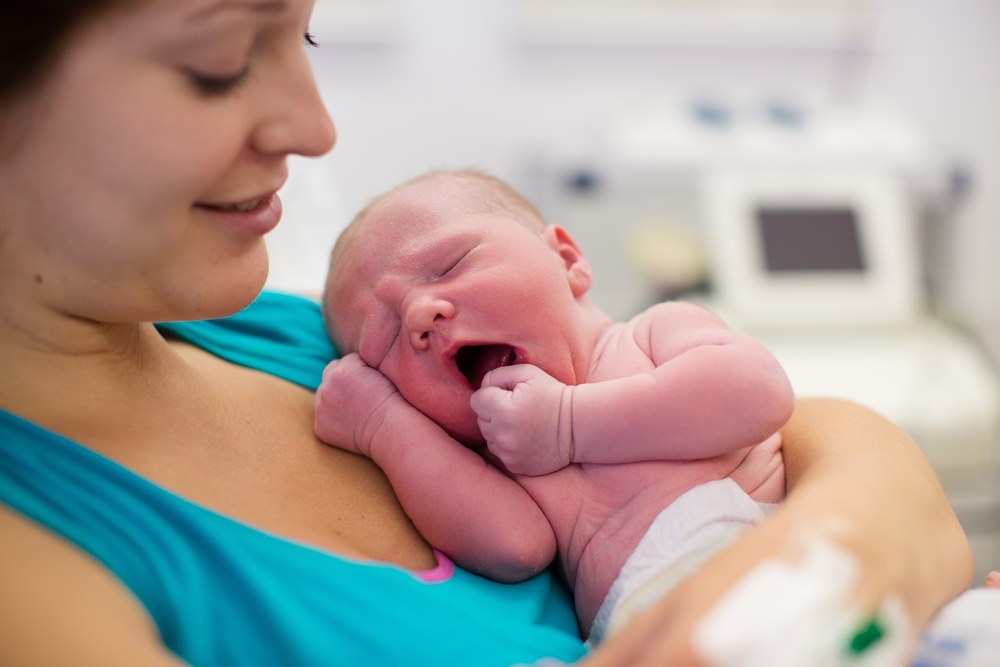
By: Asha Das Postnatal period is the time when you are recovering from the body changes associated with pregnancy. This is the time for adapting to a new life, especially for the new mother. During the nine months of pregnancy, the woman was the center of attention for everyone. But now, it is the newborn baby. Chances are you will be so busy with your baby that you may neglect proper postnatal care. The postnatal period is a very vulnerable time for the mother since she is prone to various infections. It is also a time when she requires a lot of physical and emotional support from her family, especially from her partner. Neglecting to provide hygienic care for the mother during this time will only increase the chance of infections in both the mother and child. Postnatal hygiene is very essential as this can prevent infections and speed up…

The 6 Biggest Health Mistakes Women Make in Their 30s

By: Joan Raymond For many women, turning 30 marks the real beginning of adulthood. You’re established in a career, and maybe in a relationship. You might be thinking about starting a family. You feel pretty good about yourself, and all the health indiscretions of your 20s — remember those all-night parties and how you still managed to make it to work the next day? Let’s face it, ages 30 to 39 are prime times. “All in all, the 30s are a very positive time for health, but it’s also the time you have to start developing excellent habits as an investment in the future,” says Dr. Debra DeJoseph, medical director of The Women’s Health Institute at University Hospitals in Cleveland, Ohio. In other words, the healthy lifestyle habits you ignore now could set the stage for a less than healthy life in your 40s and beyond. Here are the six…