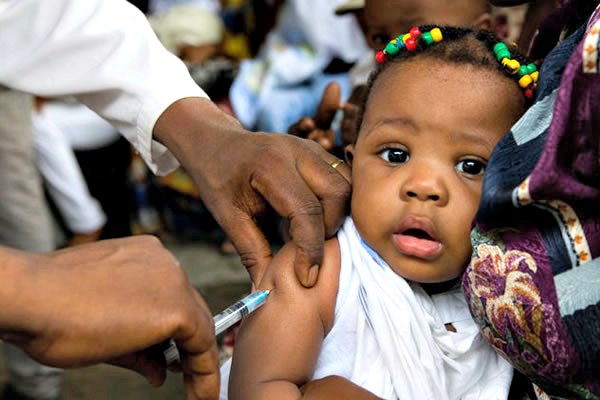

By Patrick C Ezie Since the beginning of time and as long as man has existed, things have existed, which have the ability to kill man, not just from the adverse threats from harsh weather, starvation, flood, and wild animals which plagued the early man but from a unique kind of organism too small to be visualized by the human eyes, organisms which with the progress of scientific development, will become identified as microbes and the harmful categories of these microbes further identified and termed pathogens (a bacterium, virus, or other microorganism that can cause disease). These organisms are present all around us and have the ubiquitous nature of sometimes surviving and thriving in the air, water, soil, and even in the human body where a continuous battle ranges daily between the body defenses and these pathogens. The result of these microscopic confrontations are a change in the normal functions of…
How Long Should I Wait After a Cold to Hang Out with People Again?
Here’s how soon you can truthfully say, “don’t worry, I’m not contagious.”
The holiday season is all about sharing: warm embraces with family and friends, heaping spreads of food, good cheer galore, and, inevitably, cold and flu bugs. But should you skip out on all the fun just because a cold or the flu has left you feeling a little under the weather? As long as you’re not sweating bullets with a fever and come armed with a pocketful of Ricola drops in case you break out in a coughing fit, it can’t do any harm to join the party, right? Not so fast, experts say.
Handling the Most Crucial Sources of Stress
Researchers in the field of psychoneuroimmunology (PNI) study the ways in which the immune system and the nervous system communicate with each other and impact people’s mental and emotional health. Even though the field is relatively new, many studies have been designed to examine the influence of immune and nervous systems on the psychological consequences of stress. In literal terms, recent studies have related stress to be psychological. Many have apportioned the causes of stress to the happenings or events around them, often neglecting the invisible obvious fact that stress is relatively linked to mental health in two important ways: Stress can cause mental health problems, and make existing problems worse. People are more aware of the visible sources of stress in their life such as money, time, traffic jam, and daily job schedules but never aware of the weird stress triggers. Professor of sociology Scott Schieman, at the University…
Things You Didn’t Know About Miscarriage
By: Shaelynn-Miller It’s hard to know what to say or do when someone you love experiences a miscarriage – it’s a touchy subject people don’t like to bring up. But amongst the awkward tension of not knowing how to react, there are things left unsaid that shouldn’t be. Here are seven things about miscarriage no one talks about (but should): It’s a lot more common than you think Between 10 and 25 percent of recognized pregnancies, end in miscarriage. In fact, most healthy women have a 20 percent chance of miscarrying. Just because it’s common doesn’t make it any easier to handle From the time a woman sees those two pink lines on a pregnancy test, she begins to dream of the little bundle of joy growing inside her and what life will be like once the child arrives. Having that stripped away so suddenly is devastating. Many women experience depression…
Cancer: Reducing Potential Risks from Cell Phone
The World Health Organization listed cell phones as one of the possible causes of brain cancer because of its high emission of radiation. This has raised much concern as cell phones have become very important to our daily activities. One of the sure ways to avoid the potential risk of cancer caused by cell phones is to reduce exposure to radiation. This can be done by employing the following steps: Get a low-radiation phone: Low radiation phones are safer to use because they emit less radiation. When buying a phone, EMF-Health.comrecommends that you consider the phone’s SAR (specific absorption rate), a way of measuring the radiation absorbed by the body. It’s usually listed in the phone’s instruction manual. Keep the phone away from your ear when you can: Wait for your calls to connect before bringing the phone to your ear, that way you reduce the amount of radiation absorbed…
Industrial Chemicals and the Impact on Female Reproductive Health
By: Dr. Firuza R.Parikh & Ms. Maherra Khambaty In today’s world, man-made chemicals have become a part of our daily lives. Exposure to environmental chemicals and metals – in the air, water, soil, food, and consumer products is omnipresent. The National Health and Nutrition Examination Survey from 2003-2004 stated that virtually every pregnant woman in the United States is exposed to at least 43 different chemicals. Scientific evidence suggests that numerous chemicals, both natural and man-made, interfere with the endocrine or hormonal system which adversely impacts on human health and reproduction. These chemicals are often referred to as Endocrine Disruptors or EDs. They are present in toys, plastic bottles, food packaging, pesticides, detergents, and fragrances. They are in the food we eat, and the air we breathe. Some EDs persist in the environment for decades without being broken down and they bio-accumulate through the food chain. So why are Endocrine…
Maximising a Woman’s Fertile Period
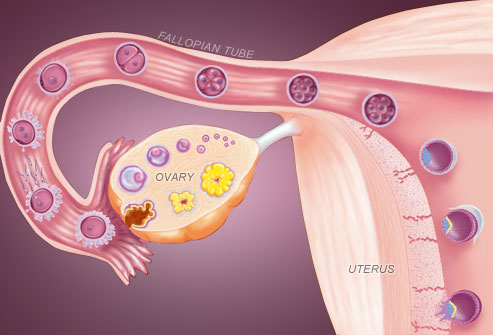
By: Dr. Abayomi Ajayi A woman has a so called fertile window or period when she is only able to naturally conceive in her month long menstrual cycle. This is how it works in humans. Every month a woman’s menstrual cycle begins with bleeding which is generally referred to as menses. It is the shedding of the thickened lining of the womb. This thickening had occurred in the previous menstrual cycle under the influence of hormones or chemical substances from the brain and ovaries to prepare to receive a pregnancy. In fact, some refer to menses as the tears of a disappointed womb. Despite this disappointment, the womb picks itself up again and starts to prepare in the hope that this time a pregnancy will occur. This preparation commences with the bleeding and another rise in production of these chemical substances (hormones) from the brain and ovaries. At the same…