

The Minister of Women, Family and Childhood in Tunisia’s caretaker government called for “comprehensive mobilisation” for activating the law on the elimination of violence against women.
Tunisia Calls for Action to Eliminate Violence against Women

The Minister of Women, Family and Childhood in Tunisia’s caretaker government called for “comprehensive mobilisation” for activating the law on the elimination of violence against women.
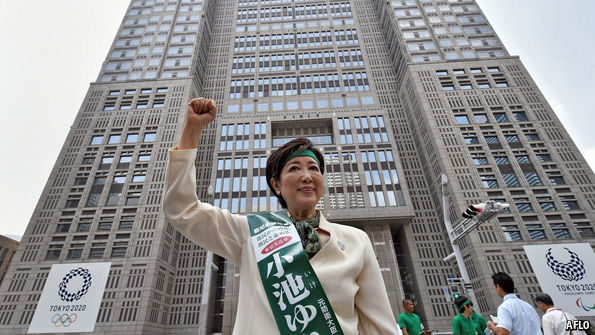
Feminist; patriot; opportunist: Yuriko Koike, who was elected governor of Tokyo on July 31st, has been dubbed many things, not all of them flattering. A career of cycling through political parties without committing to any earned her the moniker Madam Kaiten Sushi, after restaurants where plates of raw fish go around on a conveyor belt, waiting to be plucked off. Her defining characteristic, however, may be her ambition.
By George Ngigi
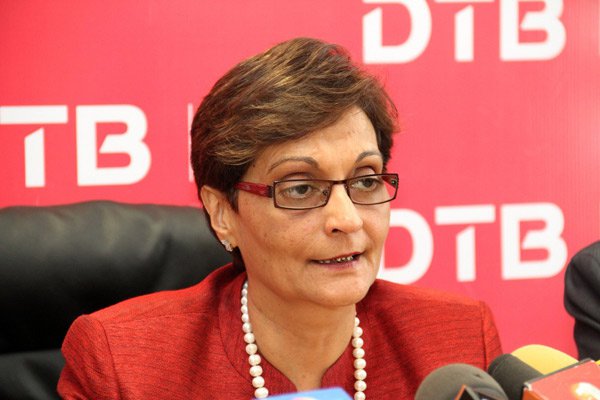
Women hold about 29 per cent of top jobs in the banking sector, showing there is room for more gender inclusion.
A survey by the Central Bank of Kenya (CBK) further shows that women occupied 20 per cent of board positions with only two serving as chairpersons. The survey included 20 banks.
Written by Christine Chung
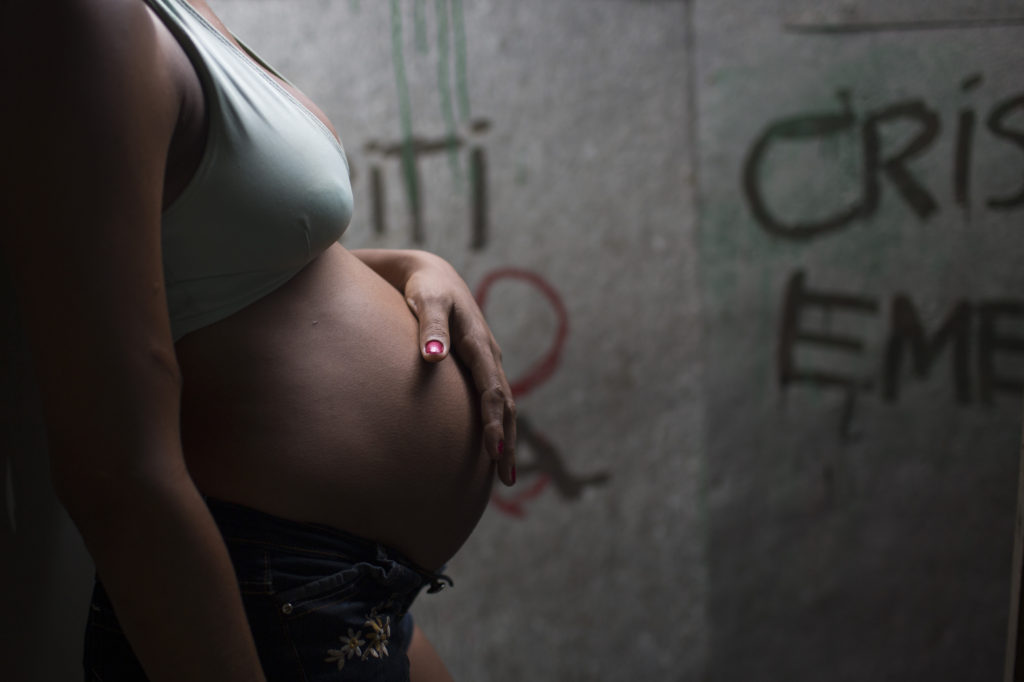
The World Health Organisation advises people living in Zika-affected areas to avoid getting pregnant. But some experts say that suggestion is unrealistic in a region where women’s reproductive rights are severely limited by law.

By Sarah Jacotine
A group of Saudi women in the central region of Qassim in KSA have opened a restaurant staffed solely by women. The outlet is the first of its kind in the region and was launched to help tackle the issue of unemployment among women in the Kingdom.
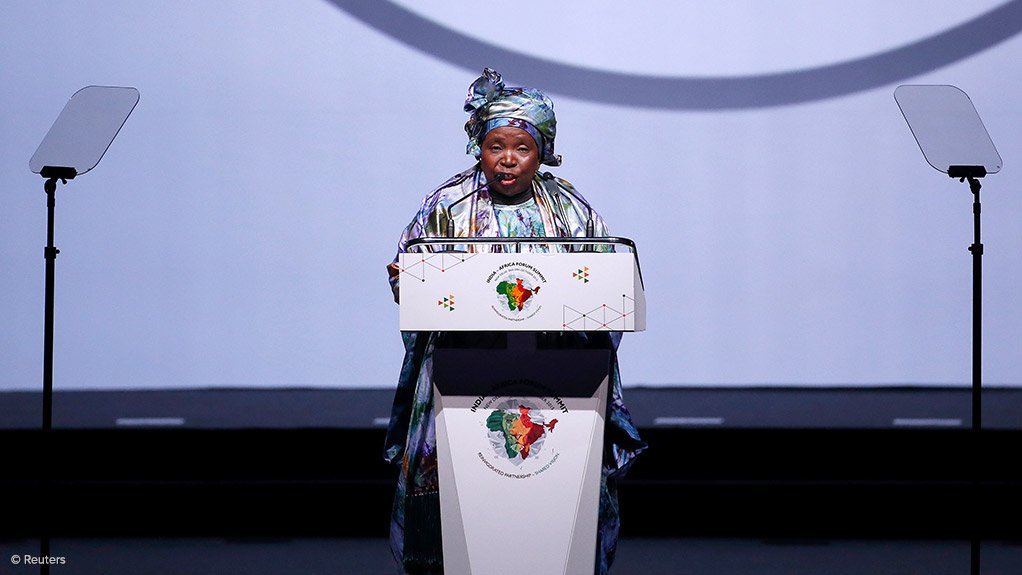
The AU has awarded South Africa the prize for being the best country in Africa in advancing women’s economic rights.
It was, however, trumped by Rwanda when it came to political rights for women
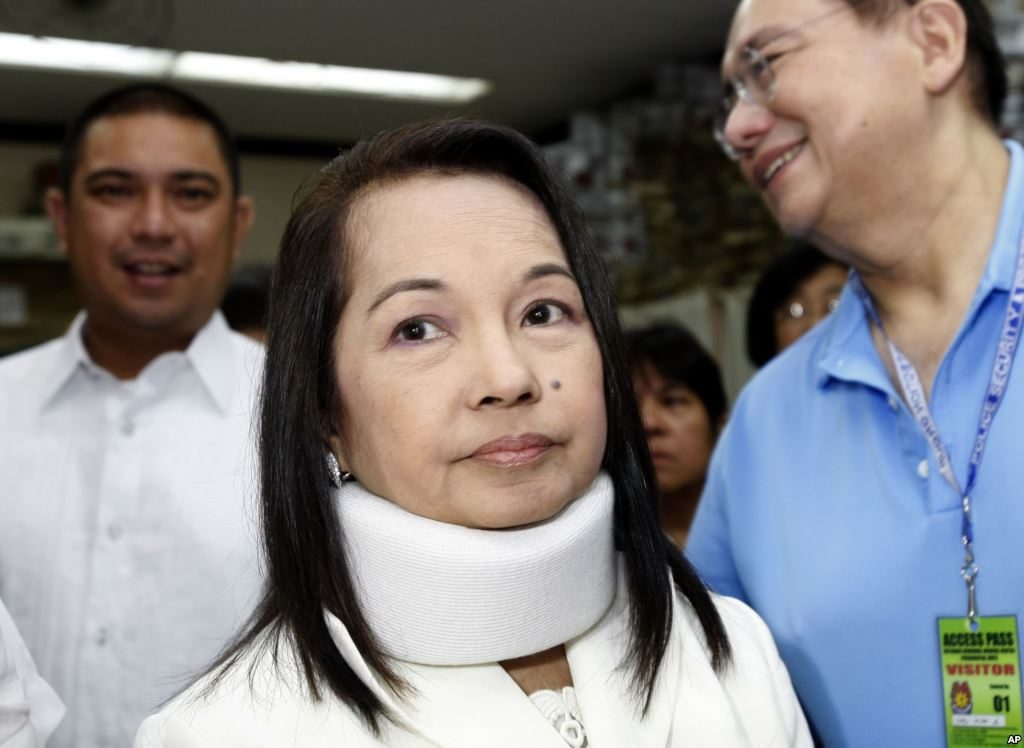
The Philippine Supreme Court has dismissed an official charge of corruption against former President Gloria Macapagal Arroyo and ordered her immediate release from custody.
