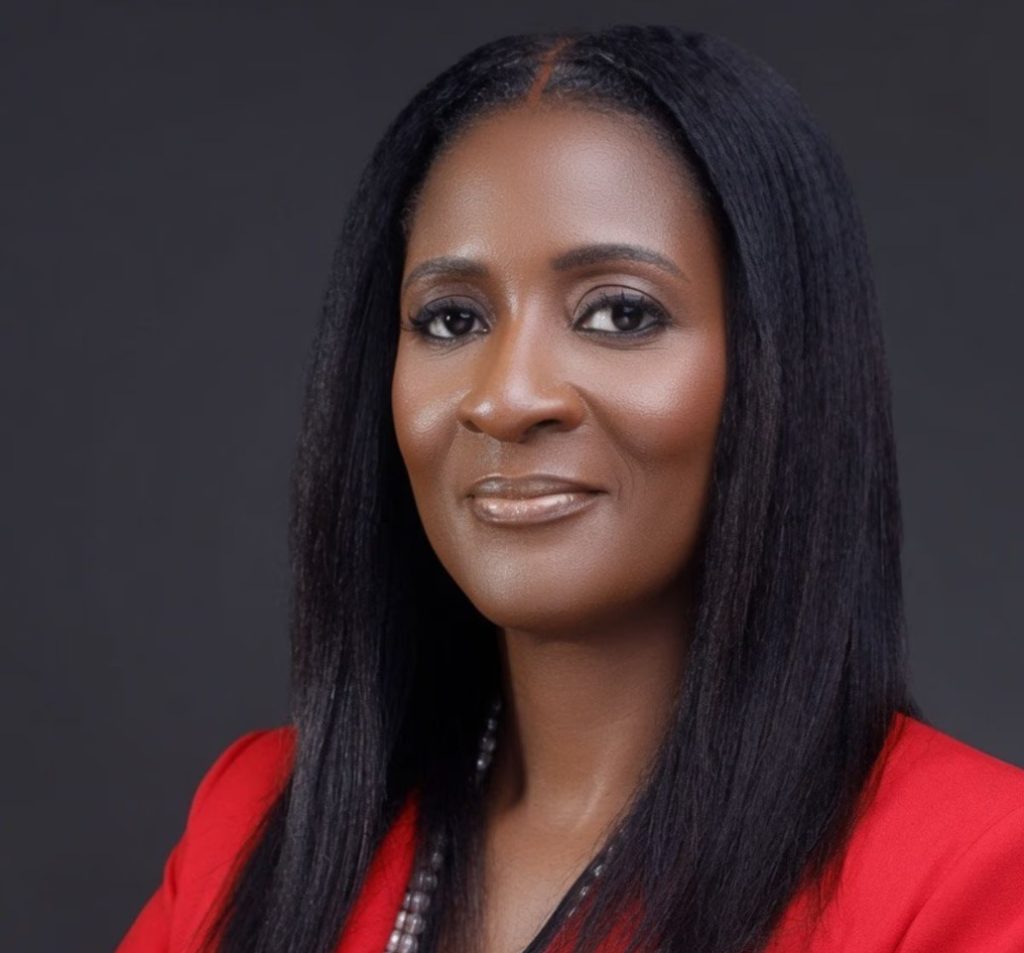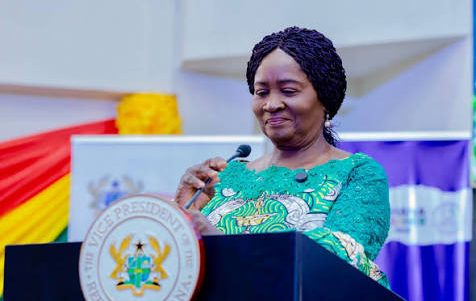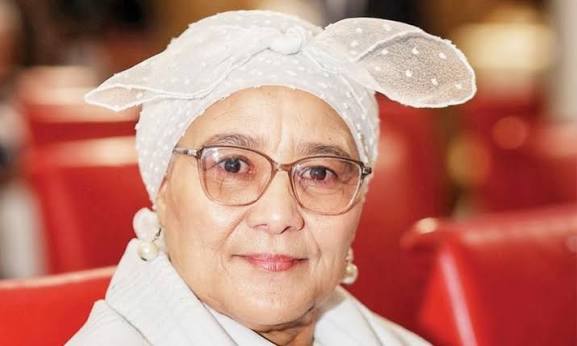
“I am delighted to be taking up the role of Deputy High Commissioner in Abuja. I look forward to getting to know this extraordinary country, meeting people from across Nigeria’s diverse communities, and building on the strong partnership that already exists between our two countries. Together, I hope we can continue creating opportunities for greater collaboration and links between our people in the years ahead.” — Vicky Seymour For Vicky Seymour, her new posting in Abuja is about more than assuming a senior diplomatic position. It is an opportunity to deepen a relationship between two countries connected by history, trade, development, security, migration, education and millions of personal relationships. Appointed Deputy High Commissioner at the British High Commission in Abuja in August 2026, Seymour arrives with more than two decades of experience spanning diplomacy, international development, trade, climate, security and government service. Her career across Africa and other complex international…
Beyond the “Big Four”: Why Emerging Markets Are Becoming Friendlier to Women Founders
A woman in Nairobi has spent months building a technology business from a problem she knows intimately. In Bengaluru, another founder is turning an idea into a company while navigating a funding environment that has historically favoured male-led ventures. In Almaty, women already lead almost half of the country’s small and medium-sized businesses. None of these women may operate from Silicon Valley, London, New York or another globally dominant startup hub, yet their stories point to a significant shift: the next generation of women-led businesses is increasingly emerging from markets once considered peripheral to global entrepreneurship. That shift does not mean emerging markets have suddenly become easy places for women to raise capital. Far from it. But the entrepreneurial landscape is changing, and several emerging economies are developing conditions that can make them relatively more accessible, innovative and responsive to women founders. The evidence begins with the sheer scale of…
7 Things to Know About Ruthe Farmer: The Woman Advancing Women and Underrepresented Talent in Technology
“We see these kids as an investment opportunity. If I invest in you succeeding, you’re going to pay it forward to other people. When you invest in women, you benefit the families and the community.” — Ruthe Farmer For Ruthe Farmer, supporting underrepresented talent in technology is not charity. It is an investment in people, families, communities and the future of the economy. That philosophy has shaped more than two decades of work dedicated to expanding opportunities for girls, women, low-income students and other underrepresented groups in technology and engineering. From STEM programmes and national education initiatives to technology policy and financial support for students on the verge of dropping out, Farmer has consistently focused on one question: what happens when we stop looking at overlooked talent as a problem and start seeing it as an opportunity? A Career Built Around Technology Inclusion Farmer has worked specifically on technology inclusion…
10 Strategic Money Lessons Every Rural Woman Should Know Before Taking a Loan
By Blossom Ukoha “An informed borrower is an empowered entrepreneur.” When María Elena, a small-scale vegetable farmer in rural Peru, began seeing more demand for her produce in the local market, she knew she needed to expand. She dreamed of installing a drip irrigation system, buying better seeds, and increasing her harvest capacity during the dry season. A local moneylender offered her a loan almost immediately. The offer felt like the breakthrough she had been waiting for, but she paused. Instead of signing the agreement, she attended a financial literacy session organised by a women’s farming cooperative in her region. There, she discovered that the loan carried hidden fees, a repayment schedule that did not match her harvest cycles, and penalties she had not fully understood. More importantly, she learned how to calculate whether her farm could realistically generate enough income to repay the debt. Months later, María Elena secured…
The Rise of Afro-Minimalism: Blending Heritage Fabrics with Modern Interiors
By Candy Swiss “A home should not only reflect where you are going; it should honour where you come from.” Maya had just moved into her first apartment after years of building a successful career. Like many young professionals, she filled it with everything social media said a modern home should have: white walls, sleek furniture, polished surfaces and carefully curated décor. The space was beautiful, but every time she walked through the front door, something felt missing. It looked like a showroom rather than a home. It wasn’t until her grandmother gifted her a handwoven basket, an indigo Adire cushion and a carved wooden stool that the room began to tell her own story. Suddenly, the space no longer reflected someone else’s idea of luxury. It reflected hers. Across Africa and the diaspora, many women are discovering the same thing. While modern minimalism offers calm and simplicity, it can…
Red Lipstick: The History Behind the Boldest Beauty Statement
By Blossom Ukoha “If you’re sad, add more lipstick and attack.” — Coco Chanel Imagine owning a beauty product so powerful that it was once associated with queens, banned by governments, embraced by suffragettes, and even worn as a symbol of resistance during wartime. Surprisingly, that product is not a priceless jewel or an elaborate crown. It is a tube of red lipstick. Few beauty products have carried as much cultural, political and historical significance. For thousands of years, women have used red lipstick not simply to enhance their appearance, but to communicate confidence, status, courage and identity without saying a single word. While beauty trends have come and gone, the red lip has endured, reinventing itself across centuries as one of history’s most enduring symbols of female power. The First Women to Wear Power on Their Lips The story of red lipstick begins more than 5,000 years ago in…
Do Boards With Women in the Room Really Make Better Long-Term Decisions?
By Blossom Ukoha “Diversity is being invited to the party; inclusion is being asked to dance.” — Verna Myers, Diversity and Inclusion Strategist Every day, corporate boards make decisions that shape the future of businesses. They decide whether to invest in emerging technologies, acquire competitors, replace underperforming chief executives, enter new markets or weather economic downturns through cost-cutting or long-term investment. These are not decisions that affect the next quarter alone; they determine whether companies thrive or decline over decades. As boardrooms become more diverse, a critical question has emerged: Do boards with women in the room really make better long-term decisions? Increasingly, global research suggests the answer is yes, not because women inherently make better leaders than men, but because gender-diverse boards bring broader perspectives, stronger oversight and more balanced decision-making. While diversity is not a guarantee of success, evidence indicates that companies with meaningful female representation on their…